Our Multi-Modal Pain Management Approach
Persistent musculoskeletal discomfort rarely originates from a single anatomical cause, yet conventional treatment frequently focuses on symptom suppression rather than identification and correction of the underlying mechanical fault. Virginia Family Chiropractic combines chiropractic adjustment, soft tissue therapy, rehabilitative exercise, and advanced modalities within an integrated clinical framework designed to resolve pain at its structural origin for patients across the greater Northern Virginia area.
Evidence-Based Treatment
Every intervention prescribed at our practice is grounded in published clinical research and established biomechanical principles rather than anecdotal tradition or speculative methodology. Our clinicians regularly review current literature in musculoskeletal medicine and incorporate validated diagnostic and therapeutic techniques into patient care protocols.
Root Cause Identification
Effective pain resolution requires accurate identification of the anatomical structure and pathological mechanism responsible for the patient's symptoms, which often differs from the location where discomfort is perceived. Our diagnostic process includes orthopedic testing, neurological examination, postural analysis, and imaging interpretation to trace referred pain patterns to their point of origin.
Drug-Free Pain Relief
Pharmaceutical intervention masks nociceptive signaling without correcting the structural or functional abnormality that generates it, creating dependency on continued medication use for symptom control. Our conservative approach addresses the mechanical cause of pain through manual therapy, corrective exercise, and therapeutic modalities that restore normal tissue function and reduce the patient's reliance on pharmacological management.
Spine and Back Pain Relief
Spinal discomfort represents the most prevalent reason patients seek chiropractic evaluation, and its causes range from acute disc herniation to chronic postural degeneration and facet joint arthropathy. Virginia Family Chiropractic offers specialized back pain treatment for residents throughout the NoVA region, with protocols tailored to the specific spinal level, tissue type, and chronicity of each patient's complaint.

Lower Back Pain Treatment
The lumbar spine bears the greatest compressive load of any vertebral region and is consequently vulnerable to disc bulging, facet joint irritation, and muscular strain from occupational, recreational, and postural stresses. Our treatment for lumbar discomfort includes spinal manipulation, flexion-distraction technique, core stabilization exercise, and ergonomic counseling to reduce mechanical aggravation of the affected segment.
Mid-Back Pain Relief
Thoracic spine pain is frequently overlooked in clinical settings despite its association with prolonged seated postures, costovertebral joint restriction, and intercostal muscular tension. Our practitioners employ thoracic mobilization, rib articulation techniques, and postural retraining to address the joint stiffness and muscular imbalance that contribute to persistent mid-back discomfort.
Upper Back Pain Treatment
Discomfort between the shoulder blades and across the upper thoracic region commonly results from protracted shoulder posture, cervicothoracic junction dysfunction, and rhomboid or trapezius muscular overload. Treatment involves joint manipulation at the affected spinal levels, myofascial release of hypertonic musculature, and targeted strengthening of the scapular stabilizers to restore balanced upper back mechanics.
Sciatica Management
Sciatic nerve irritation produces radiating pain, numbness, or tingling that extends from the lumbar spine through the gluteal region and into the lower extremity, often severely limiting the patient's mobility and tolerance for seated positions. Our approach to sciatic complaints includes decompressive adjustment, nerve mobilization techniques, and progressive rehabilitation designed to alleviate compressive forces on the involved neural structures.
Neck Pain Treatment
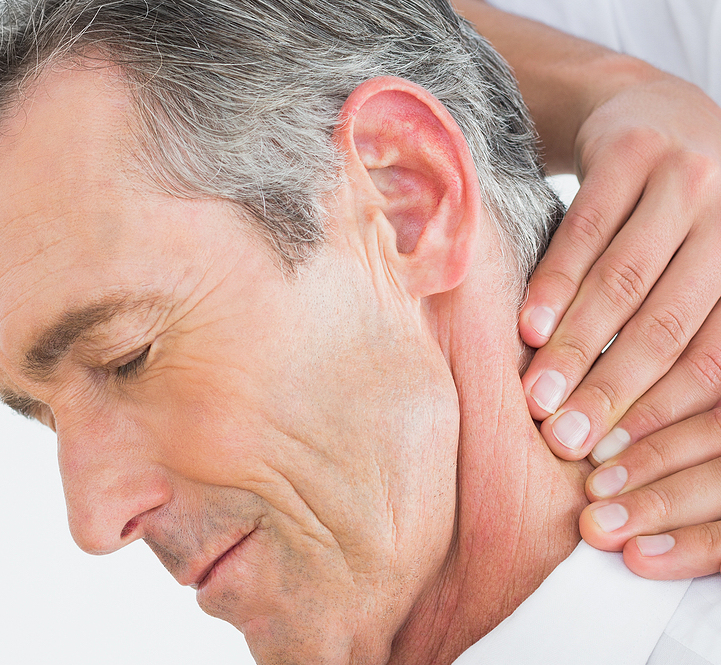
Cervical spine disorders affect a substantial proportion of the adult population and can produce symptoms ranging from localized neck stiffness to radiating arm pain, numbness, and grip weakness. Virginia Family Chiropractic provides specialized cervical care for patients across Northern Virginia whose neck complaints arise from degenerative changes, traumatic injury, or sustained postural strain.

Cervical Spine Adjustment
Precise manipulation of the cervical vertebrae restores segmental mobility, reduces facet joint inflammation, and alleviates muscular guarding that perpetuates the pain cycle in the neck and upper extremity. Our clinicians select adjustment technique and force parameters based on the patient's individual presentation, incorporating both manual diversified and instrument-assisted methods as appropriate.
Cervical Radiculopathy Relief
Radiculopathy occurs when a cervical nerve root is compressed by disc material, osteophytic encroachment, or foraminal narrowing, producing pain, sensory changes, and motor weakness along the distribution of the affected nerve. Treatment includes cervical traction, segmental mobilization, and neural gliding exercises that reduce compressive loading and restore nerve conduction.
Whiplash Recovery
Cervical acceleration-deceleration injuries sustained in motor vehicle collisions produce ligamentous laxity, muscular tearing, and disc disruption that require structured rehabilitation to prevent chronic instability and persistent pain. Our whiplash treatment protocol progresses from gentle mobilization and pain modulation in the acute phase to progressive strengthening and proprioceptive retraining as tissue healing permits.
Deep Tissue and Joint Pain Relief
Myofascial dysfunction and articular restriction frequently coexist within the same clinical presentation, and effective treatment must address both the soft tissue and joint components to achieve durable relief. Virginia Family Chiropractic employs manual and instrument-assisted techniques to resolve deep tissue adhesion and restore joint articulation for patients throughout the surrounding region.

Myofascial Pain Treatment
Myofascial trigger points are hyperirritable foci within taut bands of skeletal muscle that produce localized tenderness and characteristic referred pain patterns when compressed or stretched. Our practitioners identify active trigger points through systematic palpation and apply sustained pressure release, dry needling, or instrument-assisted techniques to deactivate these pain generators.
Joint Manipulation Therapy
Restricted joint mobility produces compensatory movement patterns that redistribute mechanical stress to adjacent structures, frequently creating secondary pain sites distant from the original dysfunction. Targeted joint manipulation restores normal arthrokinematics and interrupts the compensatory cascade that perpetuates multi-site discomfort.
Chronic Joint Pain Management
Persistent articular pain that has failed to respond to rest, medication, or prior conservative treatment requires a systematic reassessment of diagnostic accuracy and treatment approach. Our clinicians re-evaluate chronic joint complaints using advanced imaging, functional testing, and biomechanical analysis to identify previously unrecognized contributing factors and adjust the therapeutic strategy accordingly.
Headache and Migraine Treatment
Recurrent headaches diminish occupational productivity, disrupt social participation, and erode overall quality of life, yet many sufferers rely exclusively on analgesic medication without investigating the structural factors that initiate their episodes. Virginia Family Chiropractic addresses the cervical and muscular origins of common headache types for patients across the Northern Virginia area through conservative intervention that reduces episode frequency and severity.
Tension Headache Relief
Tension-type headaches arise from sustained contraction of the cervical and pericranial musculature, often in association with forward head posture, stress-related muscular guarding, and upper cervical joint restriction. Treatment includes cervical and upper thoracic manipulation, suboccipital release, and postural correction exercises that address the biomechanical contributors to muscular tension.
Cervicogenic Headache Treatment
Cervicogenic headaches originate from dysfunction in the upper cervical spine and are frequently misdiagnosed as primary headache disorders because the pain is referred to the frontal, temporal, or orbital regions. Our diagnostic approach includes provocation testing of the C1-C3 segments and the suboccipital musculature to confirm cervical origin, followed by targeted adjustment and manual therapy to the identified dysfunctional levels.
Migraine Prevention Care
Emerging clinical evidence supports the role of cervical spine manipulation and postural correction in reducing the frequency and intensity of migraine episodes, particularly in patients whose attacks are preceded by cervical tension or triggered by sustained head and neck positions. Our practitioners incorporate spinal care, lifestyle modification counseling, and trigger identification into a comprehensive migraine management program.
Shoulder Pain Relief
The shoulder complex possesses the greatest range of motion of any joint in the body, and this mobility is achieved at the expense of inherent structural stability, rendering it susceptible to a broad spectrum of painful conditions. Virginia Family Chiropractic treats shoulder disorders originating from rotator cuff pathology, capsular restriction, and impingement syndromes for patients throughout the region.
Rotator Cuff Syndrome Treatment
Rotator cuff tendinopathy and partial-thickness tears produce progressive shoulder weakness, nocturnal pain, and difficulty performing overhead activities that interfere with both occupational and recreational function. Our treatment protocol includes glenohumeral joint mobilization, scapular stabilization exercise, and eccentric loading programs that promote tendon healing and restore balanced shoulder mechanics.
Frozen Shoulder Therapy
Adhesive capsulitis produces a characteristic pattern of progressive glenohumeral motion loss accompanied by significant pain that typically evolves through freezing, frozen, and thawing phases over twelve to twenty-four months if untreated. Our practitioners apply graded joint mobilization, capsular stretching, and thermal modalities to accelerate the resolution of capsular restriction and restore functional range of motion.
Shoulder Impingement Relief
Subacromial impingement occurs when the rotator cuff tendons and subacromial bursa are compressed between the humeral head and the coracoacromial arch during overhead movement. Treatment addresses both the local inflammation and the contributing factors of scapular dyskinesis, thoracic hyperkyphosis, and rotator cuff weakness that predispose the patient to repetitive impingement.
Hip Pain Relief
Hip joint pathology and periarticular soft tissue dysfunction produce pain that may be perceived in the groin, lateral thigh, buttock, or referred distally into the knee, complicating accurate localization without systematic examination. Virginia Family Chiropractic evaluates and treats hip complaints originating from articular, muscular, and sacroiliac sources for patients across the greater Northern Virginia communities.
Hip Joint Dysfunction Treatment
Femoroacetabular mobility restriction and labral irritation alter gait mechanics and redistribute loading forces to the lumbar spine and ipsilateral knee, frequently producing symptoms at sites remote from the hip itself. Our practitioners apply hip joint mobilization, manual traction, and targeted flexibility protocols to restore normal acetabular mechanics and alleviate compensatory strain on adjacent structures.
Piriformis Syndrome Relief
The piriformis muscle lies in close anatomical proximity to the sciatic nerve, and spasm or hypertrophy of this muscle can produce buttock pain with sciatic-type radiation that mimics lumbar disc herniation. Differentiation between piriformis syndrome and true lumbar radiculopathy is critical for appropriate treatment, and our diagnostic evaluation includes specific provocation tests and, when necessary, imaging to confirm the source of neural compression.
SI Joint Adjustment
The sacroiliac joint transmits axial loads from the spine to the lower extremities and is subject to both hypermobility and hypomobility dysfunction that produces low back, buttock, and posterior thigh pain. Our practitioners assess SI joint mechanics through motion palpation and orthopedic testing and apply side-posture or drop-table adjustment techniques to restore normal sacroiliac articulation.
Non-Surgical Knee Pain Treatment
Knee complaints rank among the most common musculoskeletal presentations in clinical practice and affect patients of all ages, from adolescent athletes to older adults with degenerative changes. Virginia Family Chiropractic offers conservative knee pain management that addresses articular, meniscal, and patellar dysfunction without surgical intervention for patients throughout the area.
Knee Joint Adjustment
Tibiofemoral and patellofemoral joint restriction can produce localized pain, crepitus, and functional limitation that responds favorably to targeted mobilization and manipulation techniques. Our practitioners apply specific articulatory forces to the knee joint to restore normal gliding mechanics and reduce the compressive loading that aggravates articular surfaces.
Meniscus Issue Management
Meniscal tears and degenerative meniscal lesions produce catching, locking, and joint line tenderness that impair weight-bearing activities and recreational participation. Conservative management focuses on reducing joint effusion, restoring quadriceps and hamstring balance, and modifying activity to allow tissue healing while maintaining functional capacity.
Knee on Trac Decompression Method
The Knee on Trac system delivers calibrated mechanical distraction to the tibiofemoral joint, reducing intra-articular compressive forces and facilitating nutrient diffusion to the articular cartilage and meniscal tissues. This modality is particularly beneficial for patients with degenerative joint disease who seek to postpone or avoid surgical knee replacement.
Patellar Tracking Correction
Abnormal patellar tracking produces anterior knee pain that worsens with stair climbing, prolonged sitting, and squatting activities due to increased contact pressure between the patella and the femoral trochlear groove. Treatment addresses the muscular imbalances, including vastus medialis oblique weakness and iliotibial band tightness, that permit lateral patellar deviation during knee flexion and extension.
TMJ Dysfunction Relief
Temporomandibular joint disorders produce jaw pain, clicking, locking, and limitations in mouth opening that affect eating, speaking, and overall comfort. Virginia Family Chiropractic provides conservative TMJ management for patients across Northern Virginia whose symptoms arise from articular dysfunction, muscular hypertonicity, or occlusal imbalance.
Temporomandibular Joint Treatment
The temporomandibular joint is a bilateral diarthrodial articulation with a fibrocartilaginous disc that permits both rotational and translational movement during jaw opening and closing. Our treatment approach includes intra-oral and extra-oral mobilization techniques, masticatory muscle release, and cervical spine adjustment to address the mechanical and postural factors that contribute to TMJ dysfunction.
Jaw Pain Relief
Jaw discomfort frequently coexists with cervical spine dysfunction, forward head posture, and parafunctional habits such as clenching and bruxism that increase compressive loading on the temporomandibular structures. Our practitioners evaluate the relationship between cervical mechanics and mandibular function to develop a coordinated treatment plan that addresses both contributing regions.
TMJ Exercises and Self-Care
Patient-directed exercise and behavioral modification constitute essential components of TMJ management that reinforce the improvements achieved during in-office treatment sessions. Our clinicians prescribe jaw range-of-motion exercises, relaxation techniques for the masticatory musculature, and dietary modifications that reduce mechanical stress on the temporomandibular joint between clinical visits.
Plantar Fasciitis Care
Plantar heel pain affects approximately one in ten adults at some point during their lifetime and produces sharp, weight-bearing discomfort that is characteristically most severe with the first steps of the morning. Virginia Family Chiropractic treats plantar fasciopathy and related foot and ankle conditions using conservative modalities that promote fascial healing and correct biomechanical predisposing factors.
Heel Pain Treatment
The plantar fascia functions as a tension band that supports the medial longitudinal arch during the stance phase of gait, and repetitive overloading produces degenerative changes at its calcaneal insertion. Treatment includes soft tissue mobilization of the plantar fascia and intrinsic foot musculature, therapeutic taping, and graduated calf stretching protocols that reduce tensile strain on the affected tissue.
Foot and Ankle Adjustment
Restriction in the talocrural, subtalar, and midtarsal joints alters foot mechanics during ambulation and can contribute to excessive pronation, arch collapse, and increased plantar fascial loading. Our practitioners apply specific joint mobilization and manipulation techniques to restore normal arthrokinematics throughout the foot and ankle complex.
Biomechanical Correction
Proximal biomechanical abnormalities at the hip, knee, and tibial level frequently contribute to pathological loading patterns at the foot, and sustainable resolution of plantar symptoms requires correction of the entire lower kinetic chain. Our clinicians assess gait mechanics, lower extremity alignment, and footwear suitability to identify and address the structural factors that predispose the patient to recurrent plantar fasciopathy.
Facial Pain Treatment
Facial pain presents a complex diagnostic challenge because the sensory innervation of the face involves the trigeminal nerve and its branches, which can be affected by intracranial, cervical, or peripheral pathology. Virginia Family Chiropractic evaluates facial pain complaints for cervicogenic and musculoskeletal contributing factors that may respond to conservative chiropractic intervention in the surrounding Northern Virginia communities.
Trigeminal Neuralgia Management
Trigeminal neuralgia produces paroxysmal, lancinating pain along the distribution of one or more trigeminal nerve branches, and while the condition often requires neurological co-management, upper cervical spine dysfunction can serve as a perpetuating factor. Our practitioners assess the upper cervical complex for segmental restriction that may contribute to trigeminal sensitization and apply gentle corrective techniques when indicated.
Atypical Facial Pain Relief
Atypical facial pain describes persistent facial discomfort that does not conform to the distribution of a recognized cranial nerve and often occurs in association with cervical dysfunction, myofascial trigger points in the masticatory or cervical musculature, and psychological stress. Our evaluation includes cervical spine assessment, masticatory muscle examination, and temporomandibular joint testing to identify treatable musculoskeletal contributors.
Upper Cervical Connection
The upper cervical spine houses the brainstem-spinal cord junction and the spinal nucleus of the trigeminal nerve, establishing a neuroanatomical basis for the clinical observation that cervical dysfunction can influence facial pain perception. Precise upper cervical adjustment at the atlas and axis levels may reduce afferent nociceptive input to the trigeminal nucleus and contribute to facial pain modulation.
Benefits of Natural Pain Relief
Conservative musculoskeletal care offers measurable therapeutic advantages over prolonged pharmacological management, particularly for patients whose pain originates from mechanical dysfunction rather than systemic inflammatory disease. Virginia Family Chiropractic advocates for drug-free pain management as a first-line approach for the majority of musculoskeletal complaints encountered in clinical practice.
Opioid-Free Pain Management
The opioid crisis has prompted both public health authorities and clinical guidelines to recommend non-pharmacological interventions as preferred initial treatment for musculoskeletal pain conditions. Chiropractic manipulation, therapeutic exercise, and manual soft tissue techniques provide effective analgesia through mechanical correction and neurological modulation without the risks of dependency, tolerance, or adverse systemic effects associated with opioid medications.
Long-Term Health Outcomes
Patients who receive conservative musculoskeletal care for spinal and extremity pain demonstrate lower rates of surgical intervention, reduced long-term medication use, and higher satisfaction scores compared to those managed with pharmacological or passive treatment approaches alone. Our corrective protocols are designed to produce structural improvement that persists beyond the active treatment period.
Sustainable Pain Solutions
Lasting pain resolution requires correction of the biomechanical abnormality that generates nociceptive input, rather than indefinite reliance on symptomatic treatment that must be repeated each time the effect diminishes. Our practitioners focus on restoring normal joint mechanics, muscular balance, and postural alignment so that the need for ongoing intervention progressively decreases as the patient's structural condition improves.
Why Choose Virginia Family Chiropractic?
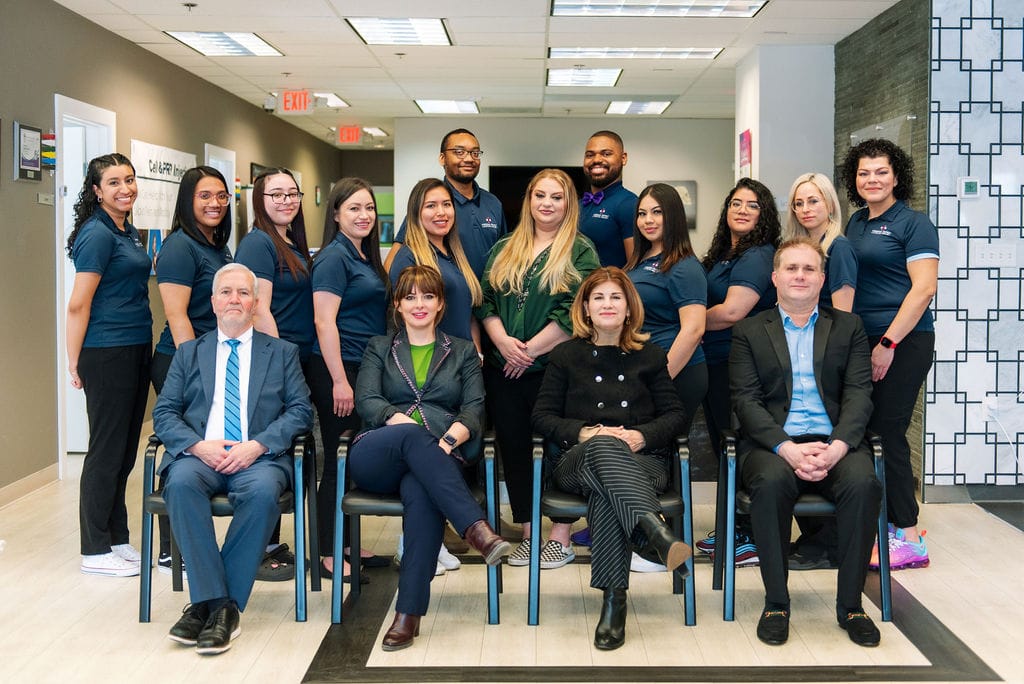
Our clinical team possesses specialized training in the diagnosis and conservative management of musculoskeletal pain conditions affecting the spine, extremities, and associated soft tissue structures. Virginia Family Chiropractic maintains advanced diagnostic and therapeutic equipment at each office location, allowing our practitioners to deliver comprehensive care without unnecessary referral delays. Every treatment protocol is individualized to the patient's specific condition, functional goals, and recovery timeline.
Multiple Convenient Clinic Locations Throughout Northern Virginia
Offices in Alexandria, Falls Church, Manassas, and Woodbridge provide accessible care for patients regardless of their residential or occupational location within the region.
Drug-Free Treatment Protocols Grounded in Clinical Evidence
Our practitioners prioritize conservative mechanical intervention over pharmaceutical management, reducing the patient's exposure to medication-related risks and side effects.
Comprehensive Evaluation of All Contributing Pain Sources
Our diagnostic process investigates the full kinetic chain rather than limiting assessment to the symptomatic site, ensuring that referred pain patterns and compensatory dysfunction are identified and addressed.
Coordinated Care for Complex Multi-Site Pain Presentations
Patients with concurrent complaints in multiple anatomical regions receive an integrated treatment plan that addresses all affected structures within a cohesive clinical framework.
Chiropractic and Physical Medicine Services in Northern Virginia
Eleven specialized treatment modalities, delivered consistently across all four clinic locations.
Chiropractic Adjustments
Manual therapy and the Chiropractic BioPhysics protocol for herniated discs, scoliosis, postural dysfunction, and vertebral subluxation.
Chiropractic Care for Injuries
Auto, workplace, athletic, and personal-injury rehabilitation with the clinical documentation insurance and legal proceedings require.
Chronic Conditions
Long-term management for arthritis, fibromyalgia, and chronic musculoskeletal pain. Sustainable function over short-term symptom suppression.
Laser Therapy
Cold-laser and Class IV therapeutic laser for tendonitis, bursitis, neuropathic conditions, and post-surgical recovery. No medication, no downtime.
MLS Laser Therapy
FDA-cleared dual-wavelength laser that pairs continuous and pulsed emissions to reduce inflammation and accelerate tissue repair.
Neurological Care
The NeuroMed program for diabetic and idiopathic neuropathy, carpal tunnel, drop foot, and postherpetic neuralgia.
Rehabilitation Services
Corrective exercises and functional movement training that retrain the muscular and ligamentous support structures of the spine.
Shockwave Therapy
Extracorporeal acoustic energy for chronic tendinopathies, plantar fasciitis, Achilles tendinopathy, and calcific tendinitis.
Dry Needling
Trigger-point needling for myofascial pain, muscle tension, and restricted range of motion - performed by certified clinicians.
Videofluoroscopy & Digital Motion X-Ray
Real-time fluoroscopic imaging that captures spinal function during movement - revealing instabilities and dynamic nerve compression static imaging cannot detect.
Spinal Decompression
Computer-guided, non-surgical traction for herniated and bulging discs, sciatica, and pinched nerves - relieving pressure without injections or surgery.
Chiropractic Pain Management at four Northern Virginia locations.
Care is delivered with the same CBP-certified providers, the same diagnostic technology, and the same protocols across every office.
Chiropractic Pain Management in Alexandria
Alexandria, VA 22304
Chiropractic Pain Management in Falls Church
Falls Church, VA 22043
Chiropractic Pain Management in Manassas
Manassas, VA 20110
Chiropractic Pain Management in Woodbridge
Woodbridge, VA 22191
Frequently Asked Questions
Specific to chiropractic pain management. Call (703) 370-5300 to discuss your case.