
Holistic Chronic Pain Management
Chronic musculoskeletal conditions demand a fundamentally different clinical approach than acute injuries, because the neurological, inflammatory, and psychological dimensions of persistent pain interact in ways that simple analgesic intervention cannot adequately address. Virginia Family Chiropractic employs a comprehensive treatment model that integrates structural correction, soft tissue rehabilitation, and patient education to manage longstanding pain conditions for individuals across the greater Northern Virginia area.

Addressing Root Causes
Persistent discomfort that has endured for months or years typically involves one or more perpetuating factors, such as joint malalignment, muscular imbalance, central sensitization, or sustained postural strain, that maintain the pain cycle despite previous treatment attempts. Our diagnostic process systematically evaluates biomechanical, neurological, and lifestyle variables to identify the specific contributors that sustain each patient's chronic condition.
Multi-Faceted Treatment Approach
Single-modality intervention rarely produces satisfactory outcomes for chronic pain because the condition's complexity exceeds the therapeutic scope of any one technique applied in isolation. Our clinicians combine chiropractic adjustment, myofascial therapy, therapeutic exercise, nutritional counseling, and advanced modalities within a coordinated care plan that addresses the structural, inflammatory, and neurological components of chronic discomfort concurrently.
Quality of Life Improvement
The measure of successful chronic pain management extends beyond numerical pain scores to encompass the patient's ability to participate in occupational duties, social activities, and recreational pursuits that the condition has curtailed. Our treatment goals are defined collaboratively with each patient and emphasize functional restoration, sleep quality improvement, and reduced dependence on pharmacological symptom control.
Arthritis Treatment and Management
Arthritic conditions represent the most prevalent category of chronic joint disease and affect millions of adults with progressive stiffness, swelling, and activity-limiting discomfort that worsens over time without appropriate intervention. Virginia Family Chiropractic provides conservative arthritis management for patients throughout the NoVA region who seek to preserve joint function and slow the progression of degenerative change.
Osteoarthritis Care
Osteoarthritis develops from the gradual erosion of articular cartilage and the formation of subchondral bony changes that alter joint congruency, reduce shock absorption capacity, and produce weight-bearing discomfort. Our treatment approach includes joint mobilization to maintain available range of motion, strengthening exercise to improve periarticular muscular support, and activity modification guidance that reduces pathological loading on affected surfaces.
Rheumatoid Arthritis Management
Rheumatoid arthritis is a systemic autoimmune condition that produces inflammatory joint destruction and requires coordination between the patient's rheumatologist and conservative musculoskeletal providers. Our practitioners complement pharmacological disease management with gentle joint mobilization, therapeutic exercise, and pain modulation techniques that address the mechanical consequences of inflammatory joint damage without interfering with the patient's medical regimen.
Degenerative Joint Disease Treatment
Degenerative joint disease progresses through predictable stages of cartilage thinning, joint space narrowing, osteophyte formation, and eventual subchondral sclerosis that collectively impair joint mechanics and generate increasing discomfort. Our conservative management protocols are calibrated to the current stage of degeneration and focus on preserving remaining cartilage integrity, maintaining functional range of motion, and minimizing the rate of further structural decline.
Joint Mobility Preservation
Maintaining articular mobility in the presence of degenerative change is essential for slowing the progression of stiffness that eventually renders affected joints functionally impaired. Our practitioners apply graded joint mobilization techniques that respect the structural limitations imposed by the disease process while maximizing the patient's available range of motion and reducing the muscular guarding that accompanies chronic joint restriction.
Chiropractic Care for Arthritis Relief
Chiropractic intervention offers particular value in arthritis management because it addresses the biomechanical dysfunction and compensatory movement patterns that amplify mechanical stress on arthritic joints. Virginia Family Chiropractic tailors its arthritic care protocols to each patient's specific joint involvement, disease severity, and functional objectives across the Northern Virginia region.
Joint Manipulation for Arthritis
Controlled articulatory forces applied to arthritic joints stimulate mechanoreceptor activity, reduce periarticular muscular spasm, and improve synovial fluid distribution across the articular surface. Our clinicians adjust manipulation parameters including force amplitude, velocity, and direction to accommodate the structural changes present in each affected joint while still achieving meaningful improvement in segmental mobility.
Inflammation Reduction
Chronic low-grade inflammation within arthritic joints perpetuates cartilage degradation and sensitizes periarticular nociceptors, producing pain that exceeds what would be expected from the degree of structural change alone. Our treatment protocols incorporate anti-inflammatory modalities including cryotherapy, therapeutic laser application, and nutritional recommendations targeting systemic inflammatory mediators to complement the mechanical benefits of manual therapy.
Pain-Free Movement Restoration
Arthritic patients frequently adopt guarded movement strategies that, while protective in the short term, produce muscular atrophy, joint contracture, and cardiovascular deconditioning that ultimately worsen their functional status. Our rehabilitation programs introduce progressive movement within tolerable ranges to reverse deconditioning effects and restore the patient's confidence in their ability to perform daily activities without provoking debilitating discomfort.
Fibromyalgia Treatment and Support
Fibromyalgia syndrome presents one of the most complex challenges in musculoskeletal medicine, characterized by widespread pain, fatigue, cognitive disturbance, and heightened sensitivity to sensory stimulation that conventional diagnostic testing often fails to objectify. Virginia Family Chiropractic provides structured conservative management for fibromyalgia patients throughout the surrounding region who seek alternatives to exclusively pharmacological symptom control.
Fibromyalgia Syndrome Management
Fibromyalgia involves dysregulation of central pain processing mechanisms that amplifies nociceptive signaling and produces pain perception in response to stimuli that would not ordinarily be experienced as painful. Our treatment approach recognizes this central sensitization component and combines gentle manual therapy with graded exercise, stress management, and sleep hygiene counseling to modulate the overactive pain processing pathways.
Widespread Pain Relief
The diffuse, migratory nature of fibromyalgia pain requires a treatment strategy that addresses the whole body rather than focusing exclusively on the most symptomatic region at any given time. Our practitioners employ full-spine adjustment, gentle extremity mobilization, and broad myofascial release techniques that reduce overall muscular tension and improve generalized comfort levels across multiple anatomical regions simultaneously.
Trigger Point Therapy
Fibromyalgia patients frequently harbour numerous myofascial trigger points that contribute to their regional pain complaints and perpetuate the cycle of muscular tension and central sensitization. Our clinicians systematically identify and treat active trigger points through sustained manual pressure, instrument-assisted techniques, and prescribed self-treatment methods that the patient can perform independently between office visits.
Sleep and Fatigue Management
Non-restorative sleep is both a hallmark symptom and a perpetuating factor of fibromyalgia, as disrupted sleep architecture impairs the body's capacity for tissue repair and neurological recovery. Our treatment protocol addresses sleep disturbance through cervical spine optimization, relaxation technique instruction, sleep position counseling, and identification of environmental and behavioral factors that compromise sleep quality.
Chronic Musculoskeletal Pain Management
Persistent musculoskeletal pain that has exceeded the expected healing timeline for the original tissue insult indicates that secondary perpetuating mechanisms have become established within the nervous system and supporting soft tissue structures. Virginia Family Chiropractic evaluates and manages chronic musculoskeletal pain syndromes for patients across the greater Northern Virginia communities using conservative protocols designed to interrupt self-sustaining pain cycles.
Myofascial Pain Syndrome
Myofascial pain syndrome is a regional pain condition characterized by the presence of trigger points within taut bands of skeletal muscle that produce predictable referred pain patterns and local tenderness upon palpation. Treatment combines trigger point deactivation through manual therapy and instrument-assisted techniques with correction of the postural and biomechanical factors that perpetuate myofascial dysfunction.
Chronic Pain Syndrome Treatment
Chronic pain syndrome encompasses the broader physiological and psychological adaptations that develop when pain persists beyond the normal tissue healing period, including central sensitization, kinesiophobia, deconditioning, and mood disturbance. Our practitioners address the mechanical contributors to chronic pain while incorporating graded exposure to movement, patient education regarding pain neuroscience, and collaborative goal-setting that emphasizes functional improvement rather than complete pain elimination.
Non-Pharmaceutical Options
Prolonged pharmacological management of chronic musculoskeletal pain carries cumulative risks including gastrointestinal irritation from anti-inflammatory medications, dependency potential from opioid analgesics, and metabolic side effects from corticosteroid use. Our conservative approach provides clinically meaningful pain relief and functional improvement through mechanical correction and active rehabilitation without exposing the patient to these medication-related complications.
Living Well with Chronic Conditions
Effective chronic condition management extends beyond clinical treatment sessions to encompass the daily habits, environmental factors, and self-management practices that influence symptom intensity and functional capacity. Virginia Family Chiropractic equips patients throughout the region with the knowledge and practical strategies necessary to manage their condition actively between office visits and maintain the gains achieved during supervised care.
Lifestyle Modifications
Dietary composition, physical activity patterns, stress levels, and sleep habits each exert measurable influence on chronic pain intensity and inflammatory status. Our practitioners provide individualized guidance on anti-inflammatory nutrition, appropriate exercise selection, stress reduction techniques, and ergonomic adjustments that collectively reduce the burden of chronic musculoskeletal disease on the patient's daily experience.
Self-Care Strategies
Patients who possess a repertoire of self-management techniques experience greater perceived control over their condition and demonstrate better long-term outcomes than those who rely solely on provider-directed treatment. Our clinicians teach self-mobilization exercises, foam rolling protocols, breathing techniques, and thermal modality application that enable patients to respond constructively to symptom fluctuations without requiring an unscheduled clinical visit.
Long-Term Management Plans
Chronic conditions, by definition, require ongoing attention that extends beyond the resolution of an acute exacerbation, and our treatment philosophy reflects this clinical reality. Each patient receives a long-term management plan that specifies the recommended frequency of maintenance visits, the home exercise program to be maintained between appointments, and the indicators that should prompt a return for reassessment.
Benefits of Conservative Chronic Care
Conservative musculoskeletal management offers distinct advantages for chronic condition patients who have experienced limited improvement from pharmaceutical-dominant treatment approaches or who wish to reduce their long-term medication burden. Virginia Family Chiropractic advocates for a treatment model that prioritizes structural correction and functional rehabilitation as foundational elements of chronic disease management.
Reduced Medication Dependence
Patients who incorporate chiropractic care and therapeutic exercise into their chronic pain management regimen frequently achieve sufficient symptomatic improvement to permit gradual reduction in analgesic and anti-inflammatory medication use under the guidance of their prescribing physician. Our treatment produces mechanical improvement that addresses the structural source of pain signaling rather than merely intercepting it at the neurochemical level.
Improved Daily Function
Functional capacity, measured by the patient's ability to perform occupational tasks, household responsibilities, and recreational activities, serves as the most clinically meaningful outcome metric for chronic condition management. Our rehabilitation protocols are designed to progressively expand the patient's tolerance for physical activity so that daily function improves even in cases where complete pain resolution is not a realistic expectation.
Enhanced Well-Being
Chronic musculoskeletal conditions affect psychological health, social participation, and overall life satisfaction in addition to their direct physical consequences. Patients who engage in structured conservative care consistently report improvements in mood, energy, sleep quality, and self-efficacy that extend beyond the musculoskeletal domain and contribute to a measurably improved sense of general wellness.
Why Choose Virginia Family Chiropractic?
Our clinical team maintains specialized proficiency in the assessment and conservative management of chronic musculoskeletal conditions, including arthritis, fibromyalgia, and persistent pain syndromes that have proven resistant to prior treatment. Virginia Family Chiropractic combines thorough diagnostic evaluation with individualized, multi-modal treatment protocols at each of our clinic locations throughout the region. Every care plan is developed collaboratively with the patient and is guided by objective clinical findings rather than standardized templates.
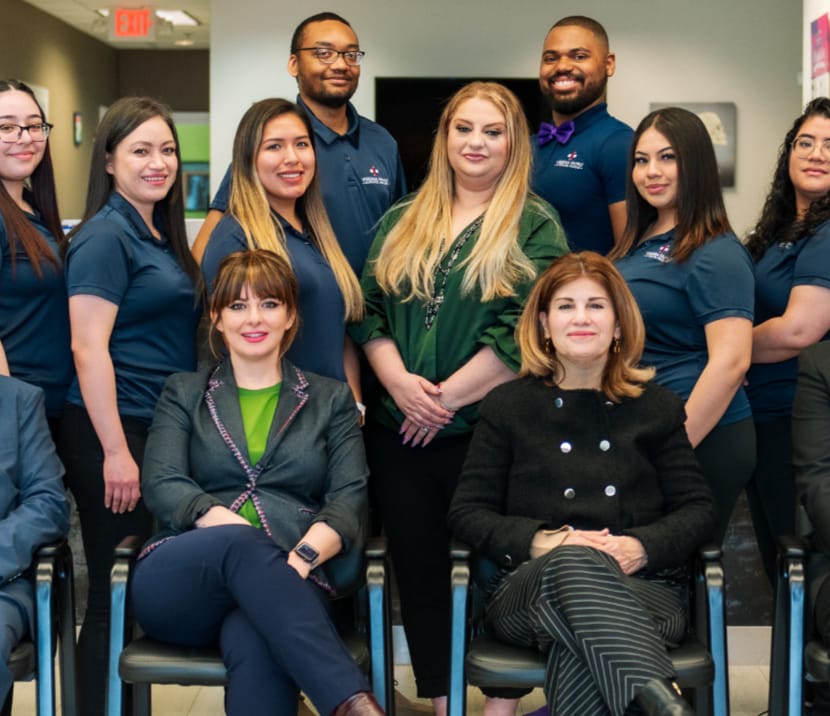
Experienced Practitioners Specializing in Chronic Musculoskeletal Care Across Northern Virginia
Our clinicians possess advanced training in the conservative management of persistent pain conditions and understand the distinct clinical requirements that differentiate chronic care from acute treatment.
Integrated Treatment Combining Manual Therapy, Rehabilitation, and Patient Education
Our multi-modal approach addresses the mechanical, neurological, and lifestyle dimensions of chronic pain within a unified care framework rather than treating each component in isolation.
Collaborative Care Coordination With Your Existing Medical Providers
Our practitioners communicate with referring physicians, rheumatologists, and other specialists to ensure that chiropractic intervention complements the patient's broader medical management plan.
Individualized Long-Term Management Programs Designed for Sustained Improvement
Each chronic condition patient receives a structured maintenance plan that supports continued functional gains and prevents the regression that frequently follows discharge from active treatment.
Chiropractic and Physical Medicine Services in Northern Virginia
Eleven specialized treatment modalities, delivered consistently across all four clinic locations.
Chiropractic Adjustments
Manual therapy and the Chiropractic BioPhysics protocol for herniated discs, scoliosis, postural dysfunction, and vertebral subluxation.
Chiropractic Pain Management
Multi-modal protocols for back, neck, shoulder, hip, knee, headaches, TMJ, and plantar fasciitis - rooted in structural correction, not pharmaceuticals.
Chiropractic Care for Injuries
Auto, workplace, athletic, and personal-injury rehabilitation with the clinical documentation insurance and legal proceedings require.
Laser Therapy
Cold-laser and Class IV therapeutic laser for tendonitis, bursitis, neuropathic conditions, and post-surgical recovery. No medication, no downtime.
MLS Laser Therapy
FDA-cleared dual-wavelength laser that pairs continuous and pulsed emissions to reduce inflammation and accelerate tissue repair.
Neurological Care
The NeuroMed program for diabetic and idiopathic neuropathy, carpal tunnel, drop foot, and postherpetic neuralgia.
Rehabilitation Services
Corrective exercises and functional movement training that retrain the muscular and ligamentous support structures of the spine.
Shockwave Therapy
Extracorporeal acoustic energy for chronic tendinopathies, plantar fasciitis, Achilles tendinopathy, and calcific tendinitis.
Dry Needling
Trigger-point needling for myofascial pain, muscle tension, and restricted range of motion - performed by certified clinicians.
Videofluoroscopy & Digital Motion X-Ray
Real-time fluoroscopic imaging that captures spinal function during movement - revealing instabilities and dynamic nerve compression static imaging cannot detect.
Spinal Decompression
Computer-guided, non-surgical traction for herniated and bulging discs, sciatica, and pinched nerves - relieving pressure without injections or surgery.
Chronic Conditions at four Northern Virginia locations.
Care is delivered with the same CBP-certified providers, the same diagnostic technology, and the same protocols across every office.

Chronic Conditions in Alexandria
Alexandria, VA 22304
Chronic Conditions in Falls Church
Falls Church, VA 22043
Chronic Conditions in Manassas
Manassas, VA 20110
Chronic Conditions in Woodbridge
Woodbridge, VA 22191
Frequently Asked Questions
Specific to chronic conditions. Call (703) 370-5300 to discuss your case.