Photobiomodulation Therapy Overview
Therapeutic laser application has progressed substantially from its early experimental use in wound healing research to become an established modality in musculoskeletal medicine, supported by thousands of published clinical trials across multiple disciplines. Virginia Family Chiropractic integrates photobiomodulation therapy into comprehensive treatment programs for patients across the greater Northern Virginia area who require enhanced tissue healing, inflammation reduction, or non-pharmaceutical pain modulation.
How Laser Therapy Works
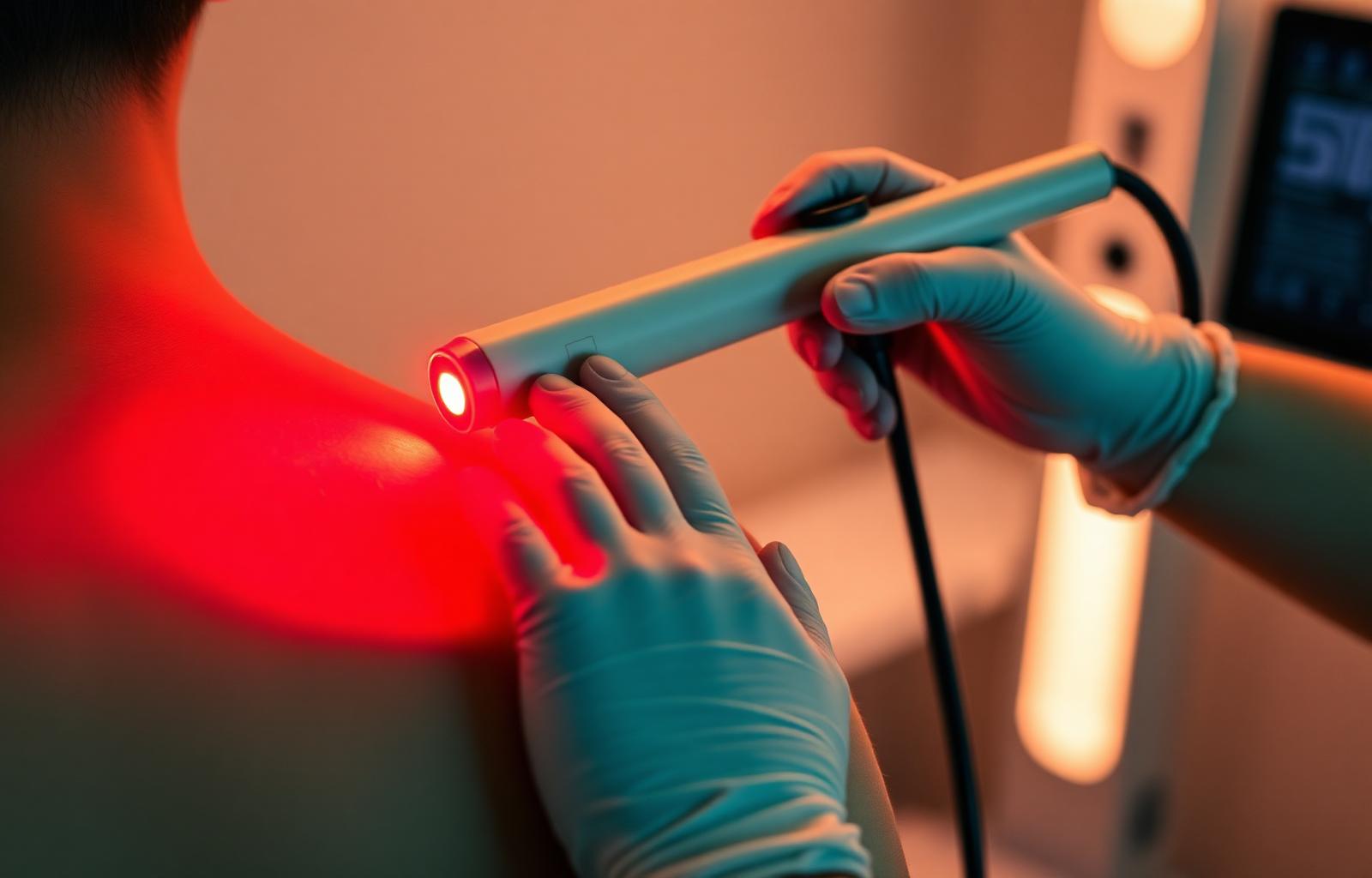
Photobiomodulation delivers specific wavelengths of coherent light energy into target tissues, where photon absorption by chromophores within the mitochondrial respiratory chain stimulates adenosine triphosphate production and activates downstream cellular repair cascades. The photochemical reaction occurs without generating thermal tissue damage, distinguishing therapeutic laser application from surgical laser procedures that rely on photothermal ablation.
Cellular Healing Activation
The primary biological effect of therapeutic laser irradiation occurs at the mitochondrial level, where cytochrome c oxidase absorbs photon energy and accelerates the electron transport chain, increasing cellular energy output and enhancing the cell's capacity for repair, proliferation, and protein synthesis. This metabolic acceleration promotes collagen deposition, angiogenesis, and fibroblast activity in damaged tissues, shortening the duration of all three phases of the wound healing continuum.
Non-Invasive Pain Relief
Laser therapy achieves analgesic effects through multiple neurophysiological mechanisms, including suppression of nociceptor activity, reduction of inflammatory mediator concentrations in irradiated tissues, and stimulation of endogenous opioid release. These combined actions produce measurable pain reduction without tissue disruption, injection, or systemic pharmacological exposure, making photobiomodulation suitable for patients who cannot tolerate or prefer to avoid conventional analgesic medications.
Cold Laser Therapy (Low-Level Laser)
Low-level laser therapy represents the foundational classification of photobiomodulation and has accumulated the most extensive body of clinical evidence supporting its application in musculoskeletal, neurological, and dermatological conditions. Virginia Family Chiropractic offers cold laser treatment for patients throughout the NoVA region whose conditions respond to the precise, targeted photon delivery that low-power devices provide.
LLLT Technology Explained
Low-level laser therapy utilizes devices that emit coherent light at output powers typically below 500 milliwatts, delivering photon energy to superficial and moderately deep tissues without producing perceptible thermal sensation or tissue temperature elevation. The coherence property of laser light, which distinguishes it from other light-emitting devices, allows for concentrated energy delivery to specific chromophore targets within a defined tissue volume.
Class 3B Laser Treatment
Class 3B therapeutic lasers operate within a power range of five to 500 milliwatts and are classified as the standard instrumentation for low-level photobiomodulation protocols in clinical chiropractic practice. These devices deliver sufficient energy density to stimulate cellular photochemical reactions in musculoskeletal tissues at depths of two to three centimetres while maintaining the safety profile that permits application over bony prominences, joint surfaces, and areas adjacent to sensitive structures.
Conditions Treated with Cold Laser
Low-level laser therapy has demonstrated clinical efficacy for a broad spectrum of conditions including temporomandibular joint dysfunction, carpal tunnel syndrome, lateral epicondylitis, cervical and lumbar radiculopathy, myofascial trigger point pain, and various tendinopathies. The selection of cold laser as the appropriate treatment device depends on the depth of the target tissue, the acuity of the condition, and the patient's individual response characteristics.
MLS Laser Therapy (Multiwave Locked System)
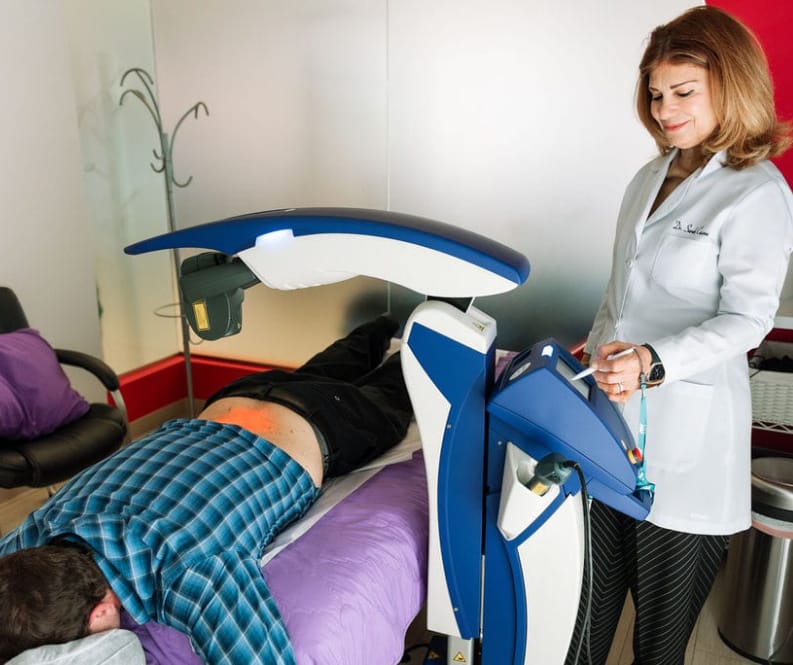
The Multiwave Locked System represents an advancement in therapeutic laser technology that addresses limitations encountered with single-wavelength devices by synchronizing two distinct laser emissions to achieve concurrent anti-inflammatory and analgesic effects. Virginia Family Chiropractic utilizes MLS laser therapy at our clinic locations across Northern Virginia for patients whose conditions benefit from the enhanced therapeutic penetration and dual-action mechanism this system provides. For a deeper look, see our dedicated <a href="/mls-laser-therapy/"><strong>MLS Laser Therapy</strong></a> page.
Advanced MLS Technology
The MLS system was developed to overcome the clinical compromise inherent in selecting between anti-inflammatory wavelengths and analgesic wavelengths by engineering a device that delivers both simultaneously in a precisely synchronized emission pattern. This technological refinement allows practitioners to achieve comprehensive tissue effects in a single treatment session rather than requiring sequential application of separate wavelengths.
Synchronized Laser Wavelengths
The MLS device emits a continuous 808-nanometre wavelength that targets anti-inflammatory pathways and a pulsed 905-nanometre wavelength that produces analgesic effects, with the two emissions synchronized through proprietary electronic control to optimize their combined biological impact. This synchronization prevents the mutual interference that can occur when two wavelengths are delivered independently and ensures that each photon dose reaches its intended cellular target.
Rapid Pain Relief Results
Patients receiving MLS laser therapy frequently report perceptible pain reduction within the first one to three treatment sessions, with progressive improvement in both discomfort levels and functional capacity as the cumulative tissue effects of subsequent treatments compound. The speed of symptomatic response is attributable to the dual-action mechanism that simultaneously modulates nociceptive signaling and reduces the inflammatory mediators that sensitize peripheral pain receptors.
Class IV Therapeutic Laser Treatment
Class IV therapeutic lasers represent the highest power classification available for clinical photobiomodulation and deliver substantially greater energy densities than their lower-class counterparts, enabling treatment of deeper anatomical structures and larger tissue volumes within shorter session durations. Virginia Family Chiropractic employs Class IV laser technology for patients throughout the surrounding region whose conditions involve deep musculoskeletal structures that lower-power devices cannot adequately penetrate.
High-Power Laser Therapy
Class IV lasers operate at output powers exceeding 500 milliwatts and can reach several watts of continuous or pulsed emission, permitting delivery of therapeutic energy densities to tissues at depths of five to eight centimetres below the skin surface. This power capacity enables effective treatment of deep joint structures, thick muscular compartments, and spinal tissues that are inaccessible to Class 3B instrumentation.
Deep Tissue Penetration
The clinical significance of increased penetration depth is particularly relevant for conditions involving the hip joint, lumbar spinal musculature, deep gluteal compartment, and large proximal extremity muscles where the target pathology lies beneath multiple tissue layers. Class IV devices deliver sufficient photon energy through intervening tissue to achieve the energy density thresholds required for photobiomodulation at these deeper anatomical targets.
Accelerated Healing Response
The higher energy delivery capacity of Class IV lasers produces more robust cellular stimulation than lower-power alternatives, resulting in accelerated collagen synthesis, enhanced vascular proliferation, and more rapid inflammatory resolution in treated tissues. Clinical studies have documented shortened recovery timelines for musculoskeletal injuries managed with Class IV photobiomodulation compared to conventional conservative treatment alone.
Laser Therapy Treatment Applications
The versatility of therapeutic laser extends across the full spectrum of musculoskeletal conditions, from fresh traumatic injuries to longstanding degenerative disorders and post-operative rehabilitation. Virginia Family Chiropractic applies laser treatment strategically within broader care protocols to enhance outcomes for patients managing a variety of clinical presentations across the greater Northern Virginia communities.
Acute Injury Treatment
Fresh musculoskeletal injuries benefit substantially from early laser application because photobiomodulation modulates the inflammatory cascade during its most active phase, reducing edema formation, limiting secondary tissue damage, and establishing conditions favorable for organized repair. Treatment initiated within the first forty-eight to seventy-two hours following injury can measurably shorten the duration of the acute inflammatory phase and accelerate progression to the proliferative healing stage.
Chronic Pain Management
Persistent musculoskeletal conditions that have proven resistant to manual therapy, exercise, and pharmacological intervention alone frequently respond to the addition of laser therapy because photobiomodulation addresses pain at the cellular level by restoring mitochondrial function in chronically stressed tissues. Our practitioners incorporate therapeutic laser into chronic pain management programs as a complementary modality that enhances the effectiveness of concurrent chiropractic adjustment and rehabilitative exercise.
Post-Surgical Recovery
Patients recovering from orthopaedic surgical procedures experience enhanced incisional healing, reduced post-operative inflammation, and accelerated functional restoration when laser therapy is incorporated into their rehabilitation protocol. Our clinicians coordinate with the patient's surgeon to determine the appropriate timing and parameters for post-surgical laser application based on the specific procedure performed and the tissue healing timeline.
Sports Injury Rehabilitation
Athletic injuries demand treatment approaches that not only resolve the current pathology but return the athlete to competitive function within the shortest clinically safe timeframe. Laser therapy accelerates the biological healing processes that govern tissue repair, allowing progressive rehabilitation to advance more rapidly and reducing the total duration of modified activity required before return to full training.
Conditions Treated with Laser Therapy
Photobiomodulation has been investigated and validated for a broad range of musculoskeletal, neurological, and soft tissue conditions, with treatment parameters established through decades of clinical research and dosimetry refinement. Virginia Family Chiropractic applies laser therapy to the following categories of conditions among others encountered in our clinical practice across the region.
Tendonitis and Bursitis
Inflammatory and degenerative tendon conditions, including rotator cuff tendinopathy, Achilles tendinosis, patellar tendinitis, and olecranon bursitis, respond favorably to photobiomodulation because laser irradiation stimulates tenocyte proliferation and organized collagen synthesis within the affected tendon or bursal tissue. Treatment parameters are calibrated to the specific anatomical location and chronicity of the tendon lesion to optimize the photobiological response.
Arthritis Pain Relief
Arthritic joints benefit from laser therapy through reduction of synovial inflammation, modulation of cartilage degrading enzyme activity, and suppression of periarticular nociceptor sensitization that collectively contribute to the pain and stiffness characteristic of degenerative and inflammatory arthropathies. Laser treatment applied to arthritic joints has demonstrated improvement in pain scores, grip strength, and functional capacity in controlled clinical trials.
Neuropathy Treatment
Peripheral neuropathy produces numbness, tingling, burning sensation, and motor weakness through progressive deterioration of peripheral nerve fiber integrity, and photobiomodulation has shown capacity to support nerve regeneration and restore conduction velocity in damaged peripheral nerves. Our practitioners apply laser therapy over the course of affected peripheral nerves and their corresponding spinal root levels to maximize the neurorestorative potential of the treatment.
Soft Tissue Injuries
Muscular strains, ligamentous sprains, and contusions involving the fascial and subcutaneous tissues heal through a biological repair process that laser therapy accelerates at each phase by enhancing inflammatory resolution, stimulating fibroblast activity, and promoting organized collagen remodeling. Early and consistent laser application to soft tissue injuries reduces the formation of disorganized scar tissue that would otherwise impair tissue extensibility and predispose the patient to re-injury.
Benefits of Laser Therapy
Therapeutic laser application offers a constellation of clinical advantages that distinguish it from pharmacological, injectable, and surgical approaches to musculoskeletal pain and tissue injury. Virginia Family Chiropractic recommends photobiomodulation to patients who value treatment approaches that work with the body's intrinsic healing mechanisms rather than imposing external pharmaceutical or surgical interventions.
Drug-Free Pain Relief
Laser therapy achieves analgesia through photochemical modulation of nociceptive pathways and inflammatory mediator reduction rather than through systemic pharmacological action, eliminating the risks of gastrointestinal irritation, hepatic stress, renal burden, and dependency that accompany prolonged analgesic medication use. This characteristic makes photobiomodulation particularly valuable for patients who manage multiple medications or who have experienced adverse reactions to pharmaceutical pain management.
No Side Effects
Therapeutic laser application at appropriate clinical parameters produces no documented adverse effects when administered by a trained practitioner following established dosimetry guidelines. The absence of side effects permits treatment of patients across a broad demographic range, including those with medication sensitivities, compromised organ function, and concurrent medical conditions that limit their tolerance for pharmaceutical or invasive interventions.
Quick Treatment Sessions
Individual laser therapy sessions typically require between five and fifteen minutes depending on the treatment area, condition severity, and laser classification employed, making the modality practical for integration into clinical visits without substantially extending appointment duration. This time efficiency allows patients to receive laser treatment as a component of their regular chiropractic appointment rather than scheduling separate dedicated sessions.
Cumulative Healing Effects
The biological effects of photobiomodulation accumulate over a series of treatment sessions as each irradiation event stimulates additional cellular repair activity that builds upon the progress achieved by prior treatments. Patients who complete the recommended course of laser therapy typically experience progressive improvement in both subjective symptoms and objective functional measures throughout the treatment series.
What to Expect During Treatment
Understanding the practical aspects of laser therapy prior to the first session helps patients arrive with appropriate expectations regarding the treatment experience, sensation, and anticipated timeline for clinical response. Virginia Family Chiropractic provides thorough pre-treatment education to ensure that every patient understands the procedure, its benefits, and the rationale for the recommended treatment frequency.
Treatment Session Protocol
Each laser therapy session begins with positioning the treatment area for optimal exposure and applying the laser handpiece or scanner at the prescribed distance and angle to the target tissue. The practitioner delivers the calculated energy dose using a systematic pattern that ensures uniform irradiation of the entire treatment zone, adjusting parameters as necessary based on tissue depth, condition acuity, and the specific laser device in use.
Sensation During Therapy
Most patients experience a mild warming sensation in the treatment area during laser application, particularly when receiving Class IV therapy at higher power densities, though the thermal effect remains well within comfortable limits throughout the session. Low-level laser and MLS treatments typically produce no perceptible sensation beyond a gentle warmth or slight tingling that patients describe as pleasant and relaxing.
Recommended Treatment Frequency
The optimal treatment frequency varies with the acuity and severity of the condition being managed, though most clinical protocols specify two to three sessions per week during the initial treatment phase, with gradual reduction in frequency as symptoms improve and tissue healing progresses. Our practitioners establish the treatment schedule during the initial evaluation and adjust the frequency at reassessment intervals based on the patient's clinical response.
Why Choose Virginia Family Chiropractic?
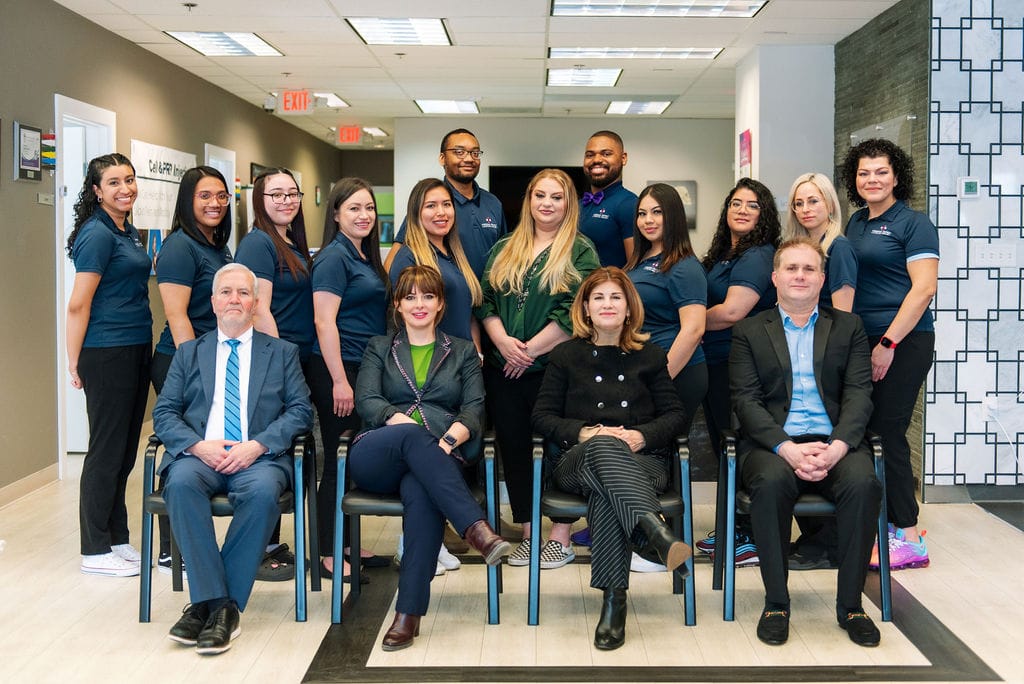
Our practice has invested in multiple laser therapy platforms spanning Class 3B, MLS, and Class IV classifications, enabling our practitioners to select the most appropriate device and treatment parameters for each patient's individual condition and anatomical presentation. Virginia Family Chiropractic integrates laser therapy within comprehensive chiropractic treatment programs rather than offering it as an isolated modality, ensuring that photobiomodulation complements manual therapy and rehabilitation for maximum clinical benefit. Our clinicians maintain current training in photobiomodulation dosimetry and safety protocols through continuing education in therapeutic laser application.
Multiple Laser Classifications Available at Each Northern Virginia Clinic Location
Our offices are equipped with Class 3B, MLS, and Class IV laser devices, allowing practitioners to match the appropriate technology to the specific tissue depth, condition severity, and treatment objectives of each patient.
Integration With Chiropractic Adjustment and Rehabilitative Exercise
Laser therapy is incorporated as a component of comprehensive treatment plans rather than applied in isolation, producing synergistic benefits that exceed what any single modality achieves independently.
Trained Practitioners Following Evidence-Based Dosimetry Protocols
Our clinicians apply laser therapy according to published energy density guidelines and tissue-specific parameters, ensuring that each treatment delivers the photon dose required to activate the intended biological response.
Efficient Treatment Sessions That Complement Your Regular Appointments
Laser therapy is typically administered during your scheduled chiropractic visit, minimizing the need for additional appointments and making the modality practical for patients with limited availability.
Chiropractic and Physical Medicine Services in Northern Virginia
Eleven specialized treatment modalities, delivered consistently across all four clinic locations.
Chiropractic Adjustments
Manual therapy and the Chiropractic BioPhysics protocol for herniated discs, scoliosis, postural dysfunction, and vertebral subluxation.
Chiropractic Pain Management
Multi-modal protocols for back, neck, shoulder, hip, knee, headaches, TMJ, and plantar fasciitis - rooted in structural correction, not pharmaceuticals.
Chiropractic Care for Injuries
Auto, workplace, athletic, and personal-injury rehabilitation with the clinical documentation insurance and legal proceedings require.
Chronic Conditions
Long-term management for arthritis, fibromyalgia, and chronic musculoskeletal pain. Sustainable function over short-term symptom suppression.
MLS Laser Therapy
FDA-cleared dual-wavelength laser that pairs continuous and pulsed emissions to reduce inflammation and accelerate tissue repair.
Neurological Care
The NeuroMed program for diabetic and idiopathic neuropathy, carpal tunnel, drop foot, and postherpetic neuralgia.
Rehabilitation Services
Corrective exercises and functional movement training that retrain the muscular and ligamentous support structures of the spine.
Shockwave Therapy
Extracorporeal acoustic energy for chronic tendinopathies, plantar fasciitis, Achilles tendinopathy, and calcific tendinitis.
Dry Needling
Trigger-point needling for myofascial pain, muscle tension, and restricted range of motion - performed by certified clinicians.
Videofluoroscopy & Digital Motion X-Ray
Real-time fluoroscopic imaging that captures spinal function during movement - revealing instabilities and dynamic nerve compression static imaging cannot detect.
Spinal Decompression
Computer-guided, non-surgical traction for herniated and bulging discs, sciatica, and pinched nerves - relieving pressure without injections or surgery.
Laser Therapy at four Northern Virginia locations.
Care is delivered with the same CBP-certified providers, the same diagnostic technology, and the same protocols across every office.

Laser Therapy in Alexandria
Alexandria, VA 22304
Laser Therapy in Falls Church
Falls Church, VA 22043
Laser Therapy in Manassas
Manassas, VA 20110
Laser Therapy in Woodbridge
Woodbridge, VA 22191
Frequently Asked Questions
Specific to laser therapy. Call (703) 370-5300 to discuss your case.