Chiropractic spinal manipulation services.
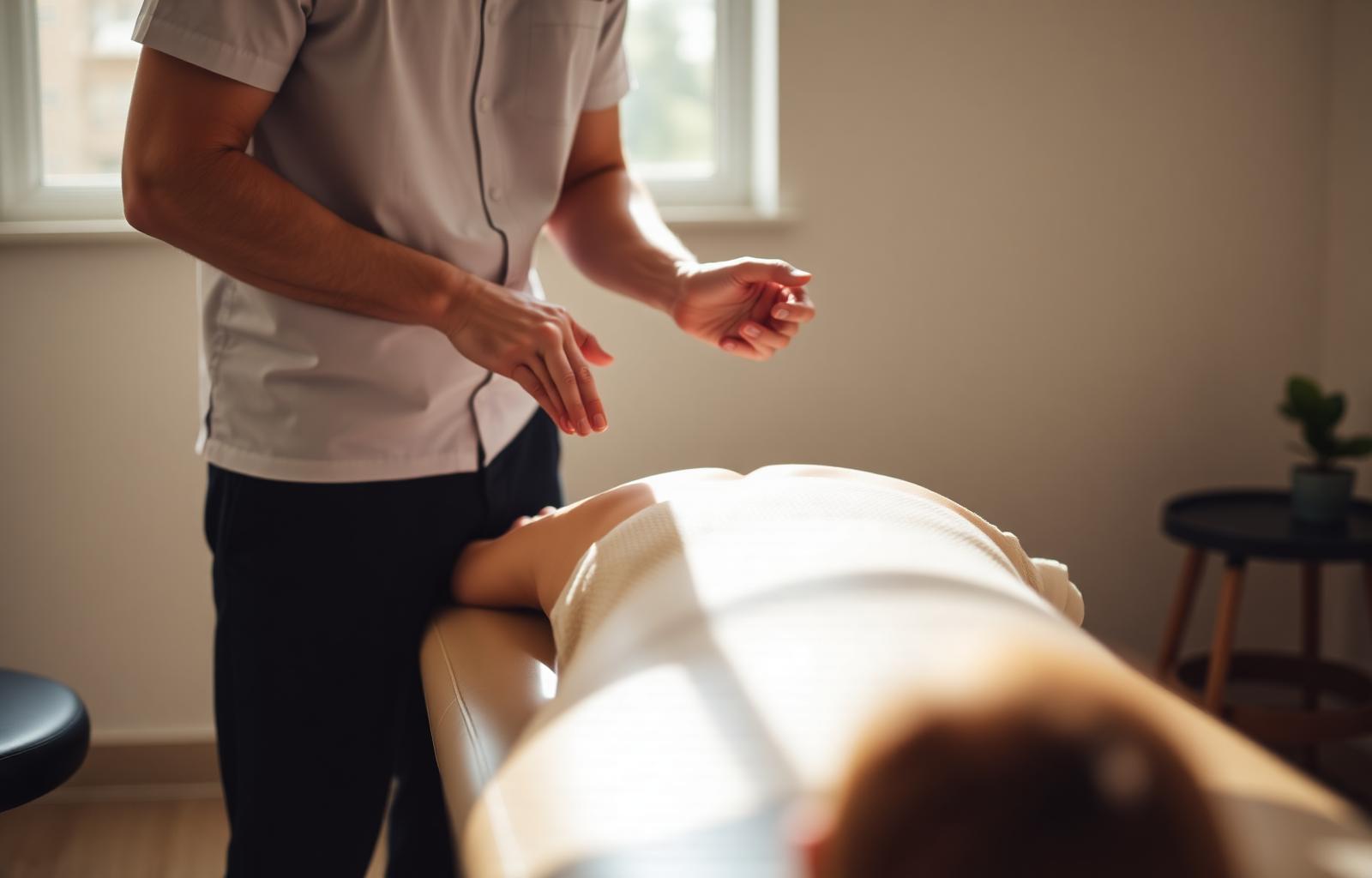
Persistent back discomfort and restricted mobility affect millions of adults, yet many remain unaware that conservative spinal care can resolve the underlying cause rather than merely suppress symptoms. Virginia Family Chiropractic employs targeted vertebral manipulation techniques to restore proper joint mechanics, reduce nerve interference, and support the body's innate capacity for recovery across the greater Northern Virginia area.
Manual therapy techniques
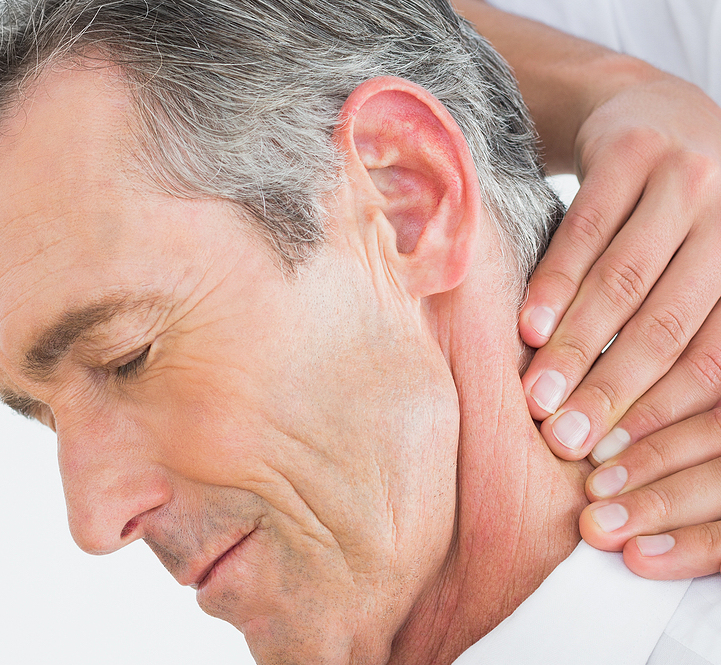
Hands-on spinal manipulation remains the cornerstone of chiropractic practice, involving controlled force applied to joints that exhibit diminished range of motion or aberrant alignment. Our clinicians assess each segment of the vertebral column individually, selecting the appropriate thrust velocity and amplitude for the patient's specific presentation.
Spinal adjustment benefits
Routine vertebral adjustments improve joint mobility, decrease muscular guarding, and facilitate optimal nervous system function throughout the body. Patients frequently report reduced stiffness, improved sleep quality, and greater ease of movement within the first several visits.
Vertebral subluxation correction
A subluxation occurs when one or more spinal segments shift from their proper position, producing mechanical stress on surrounding tissues and neural structures. Through precise palpation and diagnostic imaging, our practitioners identify these misalignments and apply corrective forces to restore segmental integrity.
Chiropractic BioPhysics (CBP) technique.
Traditional chiropractic methods address immediate discomfort, but structural deviations in spinal curvature often require a more systematic corrective approach to produce durable outcomes. Virginia Family Chiropractic utilizes Chiropractic BioPhysics, a research-driven protocol that combines mirror-image adjustments, spinal traction, and targeted exercises to reshape the spine toward its ideal configuration in the Northern VA region.
Scientific spinal correction
CBP distinguishes itself from conventional adjustment methods through its reliance on peer-reviewed biomechanical models and objective radiographic measurements. Each phase of care is guided by quantifiable structural benchmarks, ensuring that progress is documented and treatment intensity is calibrated accordingly.
Advanced postural analysis
Prior to initiating a CBP protocol, our clinicians perform comprehensive postural evaluations using digital posture analysis technology and full-spine radiographs. These assessments identify lateral translations, sagittal imbalances, and rotational deviations that inform the individualized treatment blueprint.
Evidence-based CBP protocol
The CBP method has been validated through more than 300 published studies in indexed scientific journals, establishing it among the most thoroughly researched techniques in the chiropractic profession. Patients at our practice benefit from a structured corrective program with clearly defined milestones and periodic reassessment intervals.
Herniated and bulging disc treatment.
Disc herniations produce sharp, radiating pain that can compromise daily function, yet surgical intervention is not the sole recourse available to those suffering from this condition. Our practitioners in the greater Northern Virginia area employ conservative disc management strategies that reduce intradiscal pressure and promote retraction of the displaced nucleus pulposus without the risks associated with operative procedures.
Cervical disc herniation (neck)
Cervical disc injuries frequently manifest as neck stiffness, shoulder blade pain, and tingling or numbness that radiates into the arm and hand. Our approach to cervical disc pathology includes gentle flexion-distraction manipulation, cervical traction protocols, and postural retraining to alleviate compressive forces on the affected nerve root.
Lumbar disc herniation (low back)
Lumbar herniations constitute the most prevalent form of disc injury and often produce sciatica, a condition characterized by pain extending from the lower back through the buttock and into the leg. Treatment involves decompressive adjustments, Cox Technique application, and progressive stabilization exercises designed to support the compromised spinal segment.
Non-surgical disc decompression
Mechanical spinal decompression therapy utilizes calibrated traction to create negative intradiscal pressure, which facilitates nutrient diffusion into the disc and encourages herniated material to retract toward the center of the annulus. This modality is particularly suitable for patients who have not responded adequately to manual adjustment alone or who wish to avoid surgical consultation.
Spine and back health optimization.
Reactive treatment after symptoms appear addresses only the immediate complaint, while a proactive approach to vertebral health can prevent degenerative changes from progressing to the point of clinical significance. Virginia Family Chiropractic emphasizes ongoing spinal maintenance as an integral component of musculoskeletal wellness for residents throughout the NoVA region.
Spinal alignment restoration
Restoring the natural curves of the cervical, thoracic, and lumbar spine requires a combination of corrective adjustments, rehabilitative exercise, and patient education regarding ergonomic habits. Our clinicians develop individualized restoration programs based on radiographic findings and functional movement assessments.
Preventative spinal care
Periodic spinal evaluations allow early detection of biomechanical dysfunction before pain or structural deterioration becomes established. Maintenance visits at regular intervals help sustain the alignment gains achieved during active corrective care and reduce the likelihood of symptom recurrence.
Long-term back health maintenance
Sustained vertebral health depends on consistent reinforcement of proper spinal mechanics through prescribed home exercises, workstation modifications, and periodic professional assessment. Our practitioners equip each patient with the knowledge and tools necessary to preserve their structural improvements between office visits.
Scoliosis care and spinal curvature correction.
Abnormal lateral curvature of the spine affects individuals of all ages, and without appropriate intervention, progressive scoliotic deformity can impair respiratory function, produce chronic discomfort, and diminish quality of life. Our clinic offers specialized non-surgical scoliosis management utilizing the CBP protocol for patients across Northern Virginia who seek alternatives to bracing or operative correction.
Idiopathic scoliosis treatment
Adolescent idiopathic scoliosis, the most common form of the condition, requires early identification and consistent monitoring to determine whether the curvature is stable or progressive. Our treatment approach incorporates mirror-image adjustments, scoliosis-specific exercises, and spinal weighting techniques to halt curve progression and, in many cases, achieve measurable reduction.
Degenerative scoliosis management
Adult degenerative scoliosis develops as a consequence of asymmetric disc degeneration and facet joint arthropathy, producing lateral listhesis and rotational deformity that worsens over time. Conservative management focuses on pain reduction, functional improvement, and slowing the rate of structural decline through targeted spinal rehabilitation.
CBP protocol for scoliosis
The Chiropractic BioPhysics approach to scoliosis employs mirror-image postural exercises, traction setups configured to oppose the existing curvature, and corrective adjustments delivered in the direction opposite to the deviation. Serial radiographic comparison at defined intervals documents structural change and guides treatment progression.
Posture correction and spinal alignment.
Modern occupational habits and prolonged screen exposure have produced a substantial increase in postural dysfunction among working-age adults and adolescents alike. Virginia Family Chiropractic addresses these structural imbalances through systematic corrective protocols designed to restore sagittal and coronal plane alignment for patients in the surrounding Northern Virginia communities.
Forward head posture correction
Forward head carriage increases compressive loading on the cervical spine by approximately ten pounds for every inch of anterior displacement, accelerating disc degeneration and producing chronic tension headaches. Corrective care involves cervical extension traction, strengthening of the deep cervical flexor musculature, and habitual retraining to sustain a neutral head position.
Hyperkyphosis treatment
Excessive thoracic curvature, commonly observed in individuals who spend prolonged periods seated at a desk, reduces respiratory capacity and contributes to shoulder impingement syndromes. Treatment includes thoracic extension mobilization, pectoral stretching protocols, and postural bracing recommendations during the active correction phase.
Tech neck relief
The repetitive forward and downward head position adopted during smartphone and tablet use produces a distinct pattern of cervical strain that has become increasingly prevalent in younger populations. Our practitioners address this condition through a combination of cervical adjustments, ergonomic counseling, and progressive strengthening exercises targeting the posterior cervical chain.
What to expect during your visit.
Understanding the clinical process prior to your first appointment helps establish realistic expectations and allows you to arrive prepared with relevant medical history and imaging records. Virginia Family Chiropractic has designed a thorough intake and examination procedure that ensures each patient receives a precise diagnosis and a treatment strategy tailored to their individual presentation.
Initial consultation & examination
Your first visit includes a comprehensive health history review, orthopedic and neurological testing, postural analysis, and any necessary radiographic studies. This evaluation typically requires forty-five to sixty minutes and provides the clinical foundation upon which your entire care plan is constructed.
Personalized treatment plan
Following the examination, your practitioner will present a detailed report of findings that explains your diagnosis, the recommended course of care, anticipated treatment duration, and measurable goals for improvement. Each plan is calibrated to the patient's condition severity, functional objectives, and scheduling requirements.
Adjustment techniques explained
Our clinicians are trained in multiple adjustment methodologies, including diversified technique, Thompson drop-table protocol, Activator instrument-assisted methods, and flexion-distraction manipulation. The selection of technique is determined by the patient's age, condition, comfort level, and the specific spinal segments requiring intervention.
Why Choose Virginia Family Chiropractic?
Our practice has built a reputation for delivering measurable, long-lasting spinal correction rather than temporary symptom relief. Each clinician on our team holds advanced certification in Chiropractic BioPhysics and maintains a commitment to evidence-based patient care. Every treatment decision is grounded in objective diagnostic findings and supported by published clinical research.
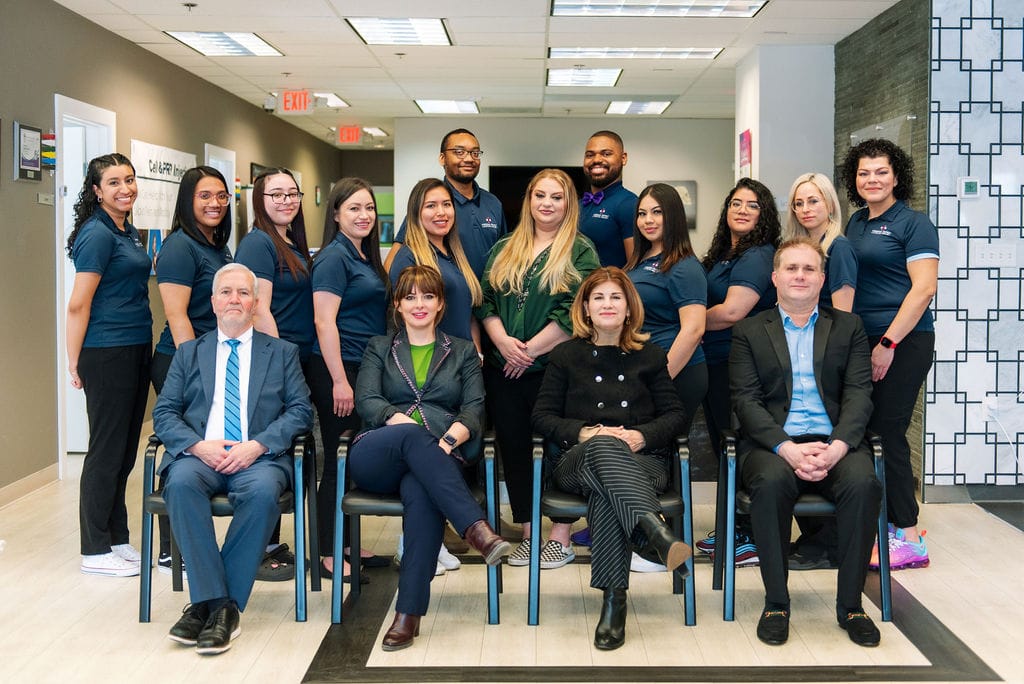
Multiple Convenient Locations Across Northern Virginia
Our offices in Alexandria, Falls Church, Manassas, and Woodbridge ensure that quality chiropractic care is accessible regardless of where you live or work in the area.
CBP-Certified Practitioners With Advanced Training
Our doctors have completed rigorous postgraduate coursework in Chiropractic BioPhysics, placing them among a select group of practitioners qualified to deliver this specialized corrective protocol.
Comprehensive Diagnostic Technology On-Site
Digital radiography, postural analysis systems, and surface EMG instrumentation allow our team to establish precise baseline measurements and track structural improvement throughout your care.
Individualized Corrective Programs for Every Patient
Rather than applying a uniform treatment template, our clinicians design each care plan around the patient's unique spinal architecture, health history, and functional goals.
Chiropractic and Physical Medicine Services in Northern Virginia
Eleven specialized treatment modalities, delivered consistently across all four clinic locations.
Chiropractic Pain Management
Multi-modal protocols for back, neck, shoulder, hip, knee, headaches, TMJ, and plantar fasciitis - rooted in structural correction, not pharmaceuticals.
Chiropractic Care for Injuries
Auto, workplace, athletic, and personal-injury rehabilitation with the clinical documentation insurance and legal proceedings require.
Chronic Conditions
Long-term management for arthritis, fibromyalgia, and chronic musculoskeletal pain. Sustainable function over short-term symptom suppression.
Laser Therapy
Cold-laser and Class IV therapeutic laser for tendonitis, bursitis, neuropathic conditions, and post-surgical recovery. No medication, no downtime.
MLS Laser Therapy
FDA-cleared dual-wavelength laser that pairs continuous and pulsed emissions to reduce inflammation and accelerate tissue repair.
Neurological Care
The NeuroMed program for diabetic and idiopathic neuropathy, carpal tunnel, drop foot, and postherpetic neuralgia.
Rehabilitation Services
Corrective exercises and functional movement training that retrain the muscular and ligamentous support structures of the spine.
Shockwave Therapy
Extracorporeal acoustic energy for chronic tendinopathies, plantar fasciitis, Achilles tendinopathy, and calcific tendinitis.
Dry Needling
Trigger-point needling for myofascial pain, muscle tension, and restricted range of motion - performed by certified clinicians.
Videofluoroscopy & Digital Motion X-Ray
Real-time fluoroscopic imaging that captures spinal function during movement - revealing instabilities and dynamic nerve compression static imaging cannot detect.
Spinal Decompression
Computer-guided, non-surgical traction for herniated and bulging discs, sciatica, and pinched nerves - relieving pressure without injections or surgery.
Chiropractic Adjustments at four Northern Virginia locations.
Care is delivered with the same CBP-certified providers, the same diagnostic technology, and the same protocols across every office.

Chiropractic Adjustments in Alexandria
Alexandria, VA 22304
Chiropractic Adjustments in Falls Church
Falls Church, VA 22043
Chiropractic Adjustments in Manassas
Manassas, VA 20110
Chiropractic Adjustments in Woodbridge
Woodbridge, VA 22191
Frequently Asked Questions
Specific to chiropractic adjustments. Call (703) 370-5300 to discuss your case.