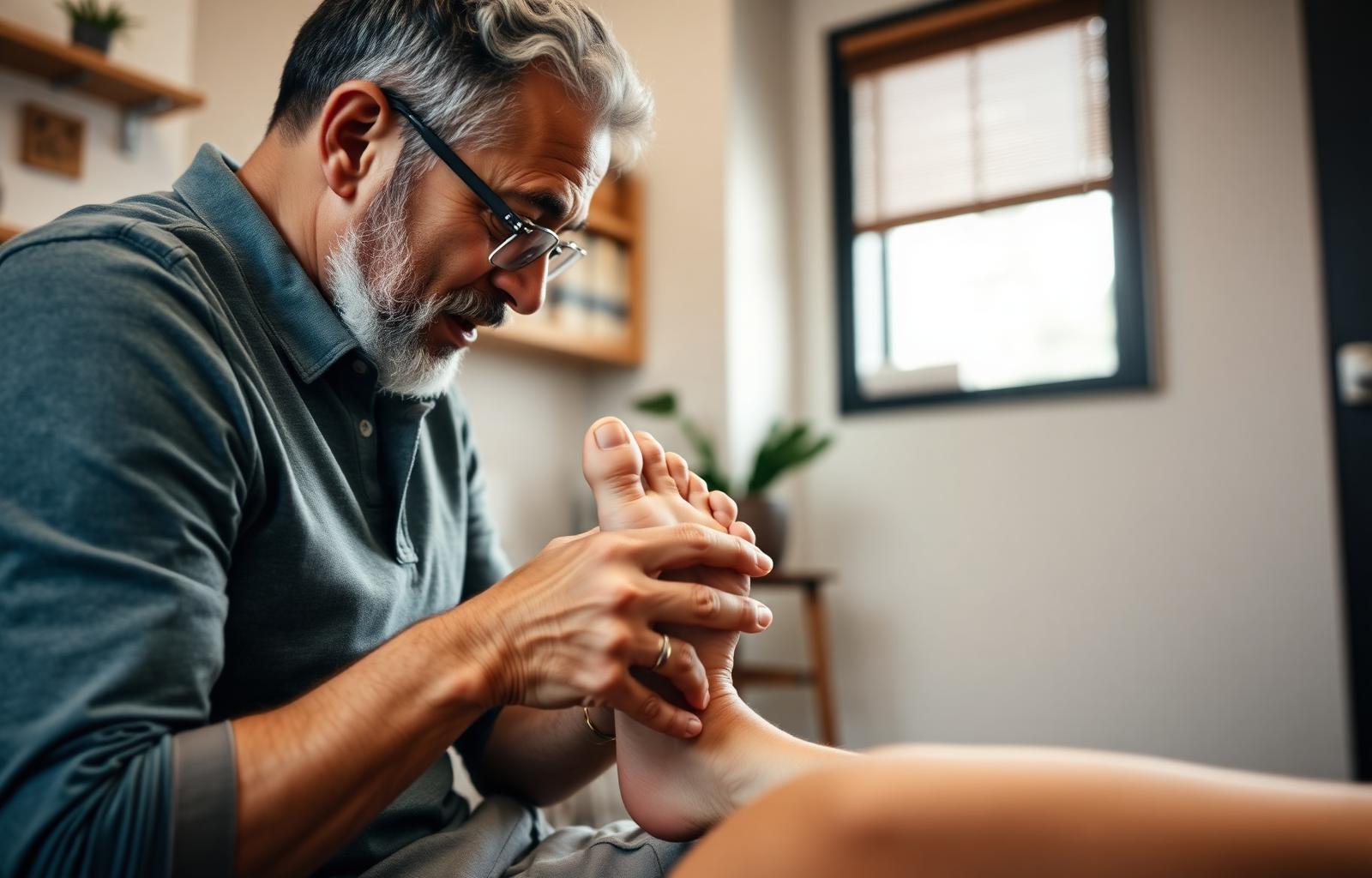
Comprehensive neurological care approach.
Neurological conditions affecting the peripheral nervous system produce symptoms that extend far beyond localized discomfort, disrupting motor control, sensory perception, and autonomic regulation in ways that compromise daily function and independence. Virginia Family Chiropractic offers a thorough diagnostic and treatment framework for patients across the greater Northern Virginia area whose neurological symptoms arise from compressive, metabolic, inflammatory, or idiopathic causes.
Nerve function assessment
Systematic evaluation of sensory thresholds, motor strength, deep tendon reflexes, and dermatomal distribution - including monofilament testing, vibratory perception assessment, and manual muscle grading - to establish a baseline against which treatment progress is measured.
Non-invasive treatment options
Chiropractic manipulation to reduce mechanical nerve compression, electrical nerve stimulation to promote neural repair, and rehabilitative exercise to restore neuromuscular coordination without the risks inherent in operative intervention.
Restoring nervous system health
Treatment programs designed to remove compressive forces from affected nerves, enhance neural blood supply, and stimulate axonal regeneration to promote the restoration of normal sensory and motor function.
Peripheral neuropathy care.
Peripheral neuropathy affects an estimated twenty million individuals in the United States and produces progressive numbness, burning pain, muscular weakness, and balance impairment that significantly diminishes quality of life when left without proper management. We treat peripheral neuropathy arising from metabolic, toxic, compressive, and idiopathic origins for patients throughout the NoVA region using conservative protocols designed to halt neural deterioration and support nerve fiber recovery.
Diabetic neuropathy treatment
Sustained hyperglycaemia produces oxidative damage to the vasa nervorum. Our approach enhances peripheral blood flow, stimulates neural metabolic activity, and reduces the neuropathic pain signaling that accompanies progressive axonal degeneration.
Idiopathic neuropathy management
For cases without an identifiable cause, we apply the same multimodal approach targeting symptom reduction, nerve function improvement, and prevention of further sensory and motor decline.
Nerve regeneration therapy
Peripheral nerve fibers regenerate at approximately one to three millimetres per day when conditions allow. Our protocols promote Schwann cell proliferation, enhance intraneural blood supply, and provide neurotrophic stimulation to support axonal regrowth.
NeuroMed electrical stimulation treatment.
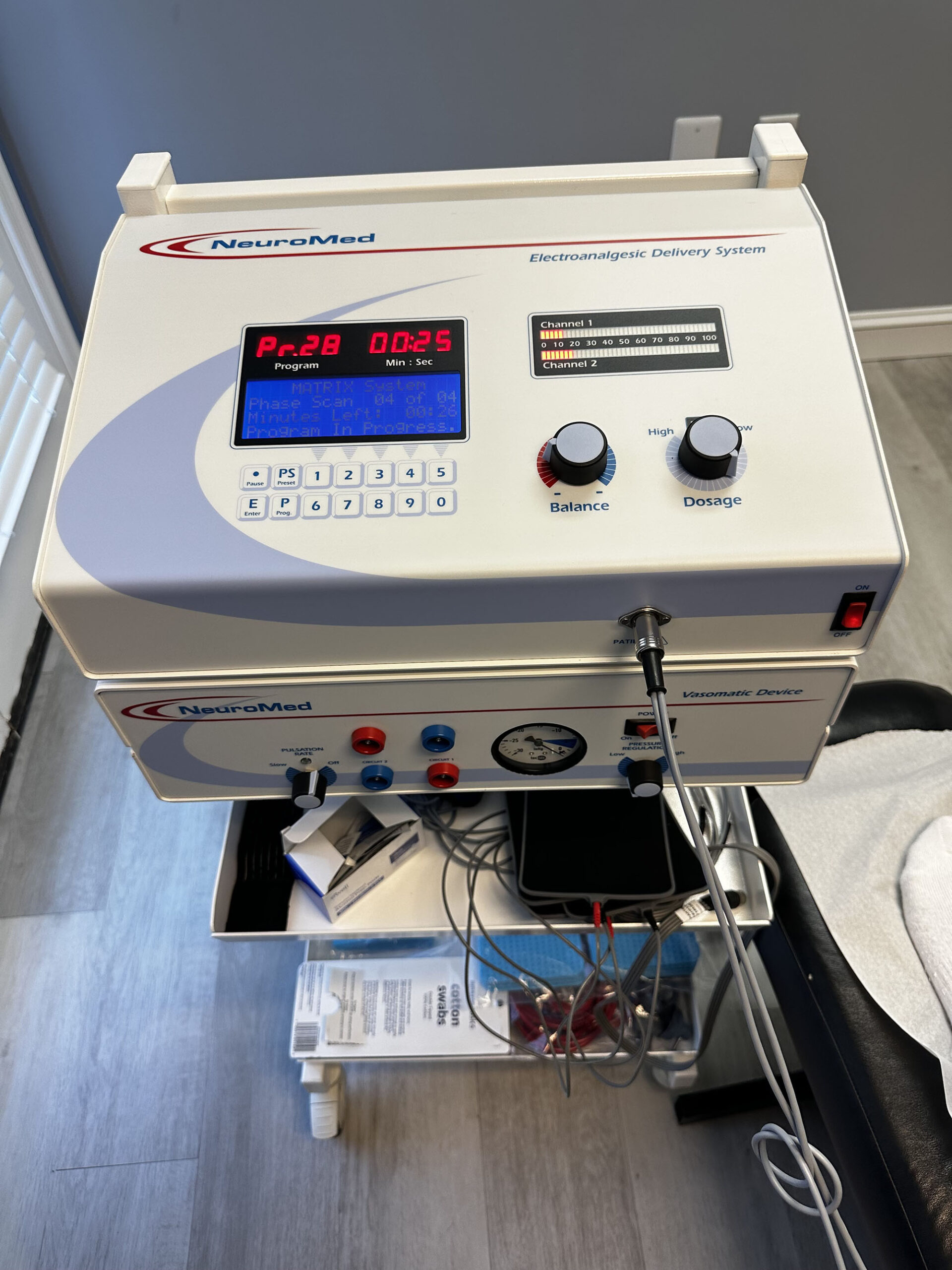
NeuroMed represents an advanced electromedical technology specifically designed for the management of peripheral neuropathy, delivering calibrated electrical signals that stimulate neural repair mechanisms and modulate neuropathic pain signaling. Virginia Family Chiropractic utilizes NeuroMed therapy at our clinic locations across Northern Virginia as a central component of our neuropathy treatment protocol for patients with sensory loss, burning pain, and motor impairment.
How NeuroMed technology works
The system delivers precisely calibrated electrical waveforms through surface electrodes placed along the course of affected peripheral nerves, stimulating axonal transport mechanisms and enhancing neural metabolic processes. Parameters are programmed individually for each patient.
Nerve pain reduction
Targeted electrical neuromodulation normalizes peripheral nerve excitability thresholds. Patients frequently report progressive reduction in burning, shooting, and electric-shock sensations over the course of the treatment series.
Improved nerve function
Beyond pain reduction, NeuroMed stimulation promotes measurable improvement in sensory perception, proprioceptive accuracy, and motor nerve conduction - documented through serial monofilament, vibratory, and manual muscle testing.
Paresthesia - numbness and tingling treatment.
Paresthesia - the medical term for abnormal sensations of numbness, tingling, prickling, or crawling - serves as an early indicator of peripheral nerve compromise that warrants clinical evaluation before the underlying pathology progresses to produce permanent sensory deficit or motor weakness. We evaluate and treat paresthetic complaints affecting the upper and lower extremities for patients throughout the surrounding Northern Virginia communities.
Paresthesia causes and relief
Symptoms may arise from spinal nerve root compression, peripheral nerve entrapment, metabolic neuropathy, vascular insufficiency, or central nervous system pathology. Our examination includes spinal assessment, peripheral nerve provocation testing, and vascular screening to identify the source.
Upper extremity numbness
Hand, forearm, and arm symptoms may originate from cervical disc herniation, thoracic outlet compression, cubital tunnel entrapment, or carpal tunnel syndrome. We localise the level of involvement using segmental spinal testing and upper limb tension testing.
Lower extremity numbness
Sensory loss in the feet, lower legs, and thighs can result from lumbar radiculopathy, piriformis entrapment of the sciatic nerve, tarsal tunnel syndrome, or peripheral neuropathy - differentiated through dermatomal mapping, reflex testing, and orthopaedic provocation techniques.
Carpal tunnel syndrome relief.
Carpal tunnel syndrome is the most commonly diagnosed peripheral nerve entrapment condition, producing wrist pain, hand numbness, grip weakness, and nocturnal symptom exacerbation that progressively impair occupational and domestic function. Virginia Family Chiropractic provides conservative carpal tunnel management for patients across the Northern Virginia area who seek to resolve their symptoms without surgical intervention.
Median nerve compression treatment
We address both the local compressive pathology at the wrist and any proximal contributing factors - including cervical radiculopathy and pronator teres entrapment - that may produce a double-crush phenomenon amplifying median nerve dysfunction.
Wrist and hand adjustment
Specific mobilization of the lunate, capitate, and surrounding carpal bones restores normal arthrokinematic relationships, supplemented by soft tissue mobilization of the flexor retinaculum and extrinsic finger flexor tendons.
Conservative carpal tunnel care
Wrist manipulation, neural gliding exercises, nocturnal splinting, ergonomic workstation modification, and activity counselling - particularly effective when symptoms are treated before significant axonal degeneration.
Drop foot treatment and rehabilitation.
Drop foot is a functional impairment characterized by the inability to dorsiflex the ankle during the swing phase of gait, producing a high-stepping or circumducting walking pattern that increases fall risk and significantly limits mobility. We evaluate and manage drop foot presentations arising from peroneal nerve injury, lumbar radiculopathy, and other treatable causes for patients throughout the region.
Peroneal nerve dysfunction
The common peroneal nerve is vulnerable to compression or stretch injury as it wraps around the fibular head - the most frequent cause of acquired drop foot. Our evaluation includes nerve provocation testing and lumbar spine examination.
Gait restoration therapy
Progressive rehabilitation incorporating electrical muscle stimulation, targeted strengthening of the tibialis anterior and extensor musculature, and balance training to retrain neuromuscular timing patterns.
Functional movement recovery
Realistic functional goals based on severity and duration of injury, with motor recovery monitored through serial manual muscle testing and gait analysis at regular reassessment intervals.
Shingles nerve pain relief.
Herpes zoster reactivation produces a painful vesicular eruption along a dermatomal distribution, and in a significant proportion of affected individuals, the acute infection resolves but the pain persists as postherpetic neuralgia - a chronic neuropathic pain condition that can endure for months or years. We offer conservative management of postherpetic neuralgia and related nerve pain for patients across the greater Northern Virginia communities.
Postherpetic neuralgia treatment
Combined spinal adjustment at the affected segmental level, electrical neuromodulation to normalize aberrant nerve discharge, and photobiomodulation to promote neural tissue repair.
Chronic nerve pain management
Multimodal intervention targets both the peripheral nerve pathology and the central sensitization component to achieve more comprehensive pain reduction than any single modality applied independently.
Pain reduction strategies
Chiropractic manipulation, NeuroMed stimulation, laser therapy, and desensitization techniques integrated to provide cumulative relief that progresses with each treatment session.
Nerve damage and neuropathy recovery.
The biological capacity for peripheral nerve repair distinguishes neurological rehabilitation from many other areas of clinical practice, because damaged nerve fibers can regenerate and restore functional connections when the conditions necessary for axonal regrowth are established and maintained. We design neuropathy recovery programs that leverage this regenerative capacity for patients throughout Northern Virginia.
Nerve injury rehabilitation
Structured protocols maintain the viability of denervated muscle tissue while supporting axonal regrowth - using electrical muscle stimulation, sensory re-education, and progressive functional exercise.
Regenerative treatment approaches
NeuroMed electrical stimulation, Class IV photobiomodulation, chiropractic manipulation to optimize spinal nerve root patency, and nutritional supplementation targeting neural metabolic requirements.
Functional improvement goals
Objectives extend beyond pain reduction to restoration of protective sensation, fine motor dexterity, balance and proprioception, and return to disrupted daily activities - tracked through standardized neurological testing.
Why choose conservative neurological care.
Conservative management of neurological conditions offers significant advantages for patients whose nerve dysfunction arises from compressive, inflammatory, or metabolic causes that respond to non-surgical intervention. Virginia Family Chiropractic advocates for conservative neurological care as the appropriate first-line approach for the majority of peripheral nerve conditions encountered in clinical chiropractic practice.
Non-surgical treatment benefits
Conservative treatment avoids the risks of surgical decompression - infection, scarring, incomplete symptom resolution, and iatrogenic nerve injury - while achieving satisfactory outcomes for a substantial proportion of patients.
Improved quality of life
Patients consistently report improvements in pain levels, sensory function, sleep quality, and participation in previously curtailed activities - frequently exceeding what pharmacological management alone achieves.
Long-term nerve health
Ongoing attention to postural, ergonomic, metabolic, and lifestyle factors, paired with self-management strategies to protect neurological gains after the active treatment program concludes.
Why Choose Virginia Family Chiropractic?
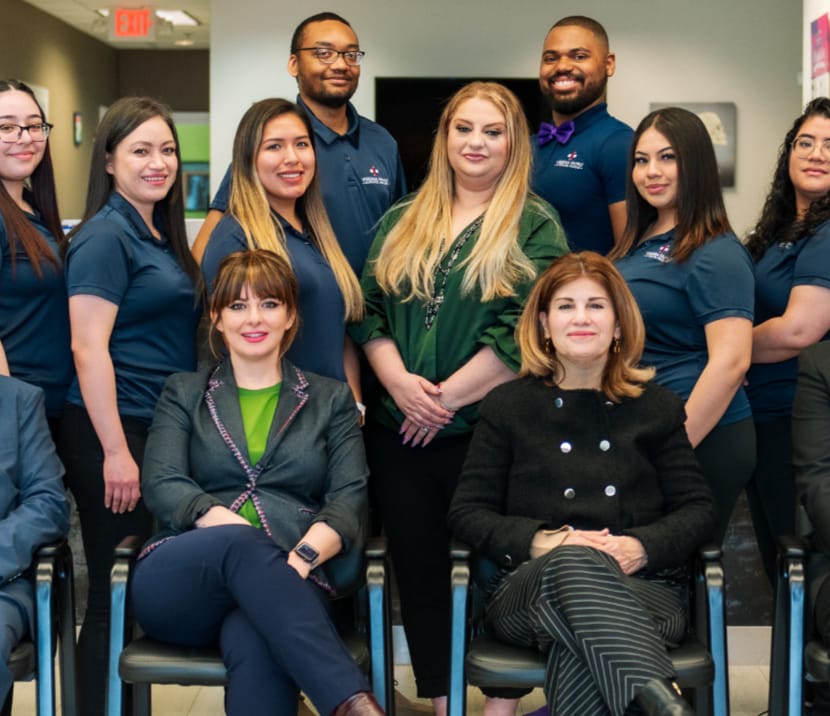
Our clinical team possesses specialized training in the assessment and conservative management of peripheral nerve conditions, including neuropathy, nerve entrapment syndromes, and chronic neurogenic pain that has proven resistant to prior treatment approaches. Virginia Family Chiropractic maintains NeuroMed electrical stimulation technology, therapeutic laser equipment, and comprehensive neurological diagnostic capabilities at each of our clinic locations throughout the region.
NeuroMed Electrical Stimulation at All Northern Virginia Locations
Our offices are equipped with advanced electromedical devices specifically designed for peripheral neuropathy treatment, enabling targeted nerve stimulation protocols for patients with sensory loss, pain, and motor impairment.
Comprehensive Neurological Evaluation Prior to Treatment
Our practitioners conduct thorough sensory, motor, and reflex testing to characterise the type, distribution, and severity of nerve involvement before establishing any treatment protocol.
Integrated Multimodal Treatment
Chiropractic, electrical stimulation, and laser therapy coordinated within a unified plan to address the compressive, inflammatory, and degenerative components of nerve dysfunction simultaneously.
Objective Progress Monitoring
Standardized sensory and motor assessments at regular intervals verify that the care program is producing measurable neurological improvement.
Chiropractic and Physical Medicine Services in Northern Virginia
Eleven specialized treatment modalities, delivered consistently across all four clinic locations.
Chiropractic Adjustments
Manual therapy and the Chiropractic BioPhysics protocol for herniated discs, scoliosis, postural dysfunction, and vertebral subluxation.
Chiropractic Pain Management
Multi-modal protocols for back, neck, shoulder, hip, knee, headaches, TMJ, and plantar fasciitis - rooted in structural correction, not pharmaceuticals.
Chiropractic Care for Injuries
Auto, workplace, athletic, and personal-injury rehabilitation with the clinical documentation insurance and legal proceedings require.
Chronic Conditions
Long-term management for arthritis, fibromyalgia, and chronic musculoskeletal pain. Sustainable function over short-term symptom suppression.
Laser Therapy
Cold-laser and Class IV therapeutic laser for tendonitis, bursitis, neuropathic conditions, and post-surgical recovery. No medication, no downtime.
MLS Laser Therapy
FDA-cleared dual-wavelength laser that pairs continuous and pulsed emissions to reduce inflammation and accelerate tissue repair.
Rehabilitation Services
Corrective exercises and functional movement training that retrain the muscular and ligamentous support structures of the spine.
Shockwave Therapy
Extracorporeal acoustic energy for chronic tendinopathies, plantar fasciitis, Achilles tendinopathy, and calcific tendinitis.
Dry Needling
Trigger-point needling for myofascial pain, muscle tension, and restricted range of motion - performed by certified clinicians.
Videofluoroscopy & Digital Motion X-Ray
Real-time fluoroscopic imaging that captures spinal function during movement - revealing instabilities and dynamic nerve compression static imaging cannot detect.
Spinal Decompression
Computer-guided, non-surgical traction for herniated and bulging discs, sciatica, and pinched nerves - relieving pressure without injections or surgery.
Neurological Care at four Northern Virginia locations.
Care is delivered with the same CBP-certified providers, the same diagnostic technology, and the same protocols across every office.

Neurological Care in Alexandria
Alexandria, VA 22304
Neurological Care in Falls Church
Falls Church, VA 22043
Neurological Care in Manassas
Manassas, VA 20110
Neurological Care in Woodbridge
Woodbridge, VA 22191
Frequently Asked Questions
Specific to neurological care. Call (703) 370-5300 to discuss your case.