

Comprehensive rehabilitation approach.
Effective musculoskeletal rehabilitation requires more than passive modality application; it demands a coordinated clinical strategy that restores tissue integrity, re-establishes neuromuscular control, and rebuilds the functional capacity necessary for the patient to resume their occupational and recreational activities without limitation. Virginia Family Chiropractic employs a rehabilitation model that addresses structural, neurological, and functional deficits within an integrated care framework for patients across the greater Northern Virginia area.
Physical medicine integration
Our programs combine chiropractic manipulation, soft tissue therapy, prescribed therapeutic exercise, and advanced modalities - treating joint restriction, muscular weakness, soft tissue adhesion, and neuromuscular coordination deficits as interrelated components of recovery rather than isolated problems.
Functional movement restoration
The objective extends beyond symptom elimination to the ability to perform the specific movement patterns required by your occupation, domestic responsibilities, and recreational pursuits - with exercise progressions that replicate those demands as tissue healing and motor control improve.
Injury prevention focus
Prehabilitation elements identify and correct deficits in mobility, stability, and neuromuscular coordination before they manifest as clinical injury - reducing the likelihood of recurrence upon resumption of normal activity.
Therapeutic exercise and movement training.
Prescribed therapeutic exercise constitutes the active component of rehabilitation that produces the muscular adaptations, joint stability, and motor learning necessary for sustained functional recovery beyond the period of supervised clinical care. Virginia Family Chiropractic designs individualized exercise programs for patients throughout the NoVA region that target the specific deficits identified during diagnostic evaluation and progress systematically as the patient's capacity improves.
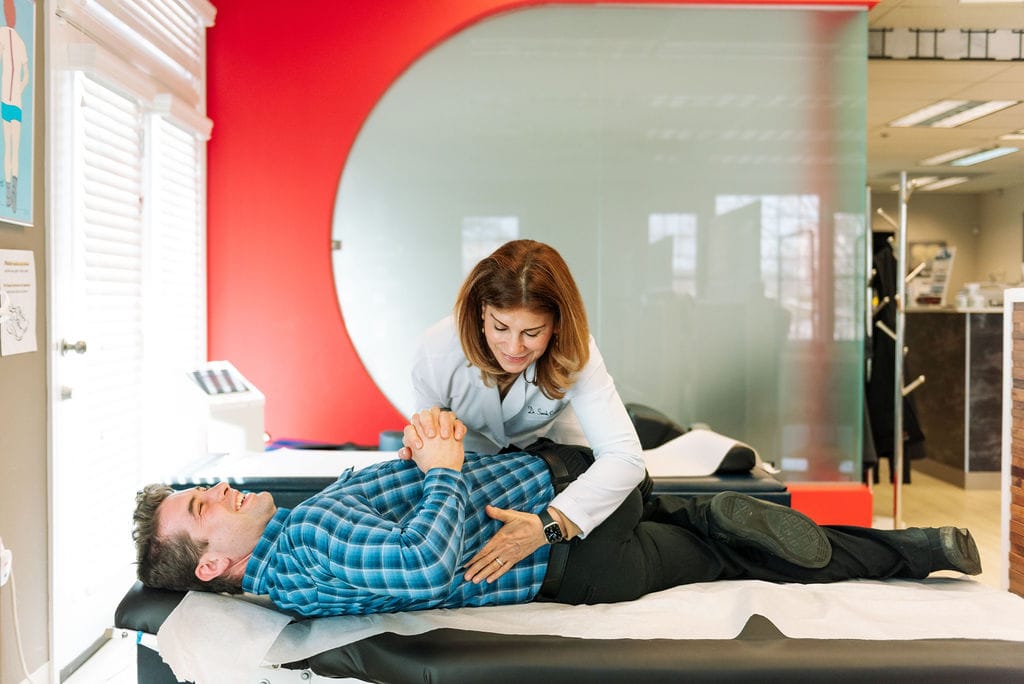
Corrective exercise programs
Exercises selected for specificity to your identified deficits, progressing from isolated activation of inhibited musculature to integrated movement patterns that re-establish balanced force distribution across the kinetic chain.
Functional rehabilitation
Programs progress through a hierarchy from controlled clinical exercises to simulated occupational and recreational tasks - ensuring gains transfer effectively to your actual environment.
Strength and stability training
Progressive resistance and stabilization exercises rebuild the muscular capacity and neuromuscular reflexes necessary to protect previously injured structures under the loading conditions of daily activity.
Chiropractic rehabilitation protocol.
Chiropractic rehabilitation distinguishes itself from conventional physical therapy through its emphasis on restoring spinal and extremity joint mechanics as a prerequisite for effective neuromuscular retraining and functional recovery. Virginia Family Chiropractic follows a structured rehabilitation protocol that sequences treatment phases according to tissue healing biology and functional readiness criteria for patients across the Northern Virginia region.
Progressive rehabilitation phases
Defined stages advance from pain modulation and protected mobility during the acute inflammatory period, to tissue loading and motor retraining during the proliferative phase, and finally functional integration and return-to-activity preparation during the remodeling phase.
Manual therapy integration
Chiropractic adjustment and soft tissue mobilization applied immediately prior to therapeutic exercise improve movement quality and allow the muscular system to respond to training stimuli without the inhibitory influence of joint restriction or pain.
Active care approach
Passive modalities serve a supportive role in managing pain and inflammation during early phases, but the program transitions progressively toward patient-directed exercise and functional training as the central treatment components.
Trigger point injection therapy.
Myofascial trigger points that have proven resistant to manual deactivation techniques may require injection therapy to achieve sufficient relaxation of the involved muscular tissue before rehabilitative exercise can proceed effectively. Virginia Family Chiropractic offers trigger point injection services for patients across the surrounding region whose muscular pain generators have not responded adequately to conservative manual treatment alone.
Myofascial trigger point treatment
Trigger points are hyperirritable foci within taut bands of skeletal muscle that produce localized tenderness, referred pain, and motor dysfunction. Our practitioners identify them through systematic palpation and reproduce the characteristic pain pattern to confirm the source.
Injection procedure explained
A fine-gauge needle is inserted directly into the identified trigger point, followed by delivery of a small volume of local anesthetic or saline that mechanically disrupts the contracted muscle fibers and interrupts the pain-spasm cycle. Performed in-office in minutes.
Pain relief and muscle relaxation
Patients typically experience immediate reduction in localized muscular pain with progressive improvement over the subsequent forty-eight to seventy-two hours - creating a therapeutic window for effective rehabilitative exercise and stretching.
Myofascial release treatment.
Fascial restriction and adhesion between tissue layers represent a frequently underrecognized source of persistent pain and limited mobility that does not respond to joint manipulation or strengthening exercise alone. Virginia Family Chiropractic incorporates myofascial release techniques into rehabilitation programs for patients throughout the greater Northern Virginia communities whose recovery has plateaued due to soft tissue binding and fascial dysfunction.
Manual myofascial techniques
Sustained manual pressure and controlled stretching forces restore the tissue extensibility and gliding capacity necessary for normal joint motion and muscular function - requiring precise palpatory skill and pressure calibration.
Soft tissue mobilization
Instrument-assisted soft tissue mobilization uses specially designed tools to detect and treat fascial adhesions, scar tissue restriction, and chronic muscular fibrosis that manual palpation alone may not adequately address.
Fascial restriction release
The fascial system forms a continuous network throughout the body. Our treatment addresses both the local site of restriction and broader fascial continuity lines contributing to symptoms through remote tensional transmission.
Advanced diagnostic imaging.
Accurate rehabilitation planning depends on precise diagnostic information about the structural and functional status of the patient's spinal and extremity joints, and standard static imaging cannot capture the dynamic movement abnormalities that often underlie persistent pain and functional limitation. Virginia Family Chiropractic maintains advanced diagnostic imaging capabilities at our clinic locations throughout the region.
Videofluoroscopy (Motion X-Ray)
Real-time radiographic images of spinal segments during active movement reveal dynamic instability, aberrant motion patterns, and segmental hypermobility or hypomobility that static radiographs cannot detect.
Digital Motion X-Ray (DMX)
High-resolution dynamic imaging of the cervical, thoracic, and lumbar spine during flexion, extension, lateral bending, and rotation - particularly valuable for post-traumatic complaints, suspected ligamentous instability, and persistent symptoms despite normal static radiographs.
Real-time movement analysis
Observing spinal motion in real time allows correlation of symptom provocation with specific segmental movement abnormalities - enabling highly targeted rehabilitation directed at the precise segments and directions producing your pain.
Functional movement assessment.
Formal functional movement assessment provides objective quantification of the patient's movement quality, identifying asymmetries, restrictions, and compensatory patterns that clinical observation alone may not fully characterise. Virginia Family Chiropractic conducts systematic movement screening for rehabilitation patients across Northern Virginia to establish baseline function, guide exercise prescription, and measure recovery progress.
Movement pattern analysis
Evaluation of fundamental patterns - squatting, lunging, pushing, pulling, hinging, and rotational movements - identifies which are limited, painful, or performed with compensatory strategies, guiding corrective exercise selection.
Biomechanical evaluation
Detailed assessment of joint range of motion, segmental mobility, muscular length-tension relationships, and force production capacity distinguishes mobility deficits from stability deficits requiring different intervention approaches.
Corrective strategy development
Findings synthesize into an individualized strategy that restores mobility before training stability and establishes stability before loading strength - reducing the risk of compensatory loading patterns.
Rehabilitation for specific conditions.
While the fundamental principles of rehabilitation apply broadly across musculoskeletal conditions, the specific application of those principles must be tailored to the unique characteristics of each clinical presentation. Virginia Family Chiropractic develops condition-specific rehabilitation protocols for patients throughout the region.
Post-surgical rehabilitation
Coordinated with your surgeon to respect surgical precautions and tissue healing timelines while progressively restoring the range of motion, strength, and functional capacity the procedure was intended to facilitate.
Chronic pain rehabilitation
Accounts for central sensitization, kinesiophobia, and deconditioning - incorporating graded exposure to movement, pain neuroscience education, and progressive functional loading to rebuild capacity and confidence.
Sports performance recovery
Sport-specific rehabilitation progressions incorporate the movement patterns, force vectors, and metabolic demands of your athletic discipline into the later phases of the recovery program.
Return to activity planning.
The transition from supervised clinical rehabilitation to independent activity represents a critical phase that, when managed poorly, accounts for a substantial proportion of injury recurrences and incomplete recoveries. Virginia Family Chiropractic provides structured return-to-activity planning for rehabilitation patients across the area.
Gradual progression protocol
Defined stages of increasing physical demand require objective performance criteria at each level before progression - preventing premature loading based on subjective symptom improvement alone.
Activity modification guidance
Specific recommendations for temporary modifications to task performance, equipment, or work environment reduce mechanical stress on recovering structures during the transition period.
Long-term maintenance plans
A detailed maintenance plan specifies the home exercise program, recommended activity levels, and periodic reassessment schedule necessary to preserve rehabilitation gains indefinitely.
Why Choose Virginia Family Chiropractic?
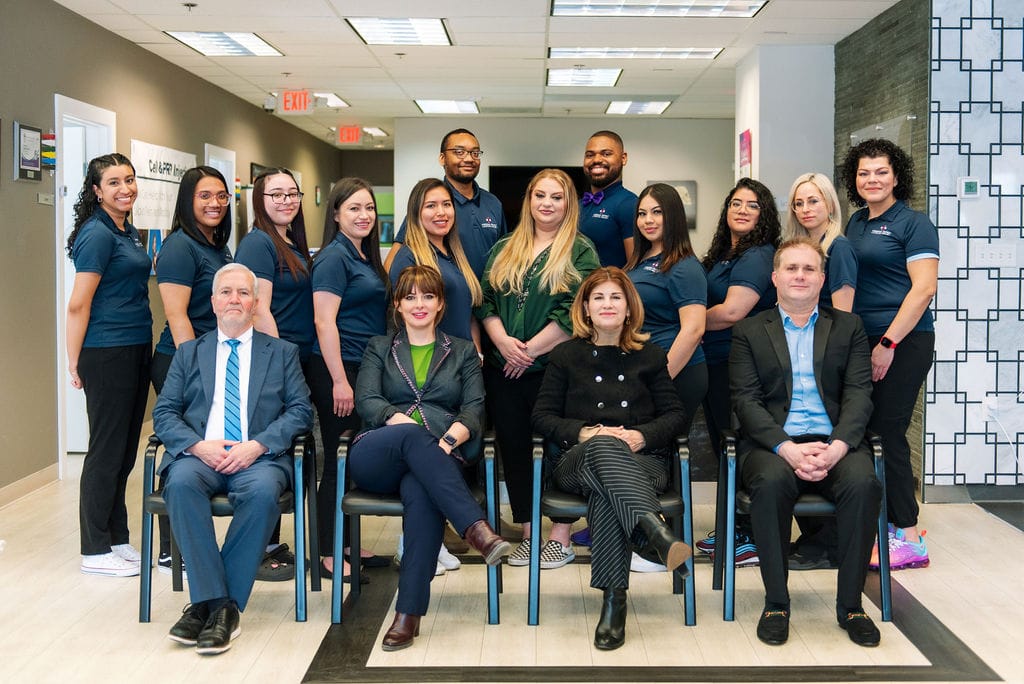
Our practitioners possess advanced training in musculoskeletal rehabilitation, combining chiropractic expertise with therapeutic exercise prescription, soft tissue management, and advanced diagnostic imaging interpretation. Virginia Family Chiropractic maintains videofluoroscopy and digital motion X-ray capabilities alongside comprehensive rehabilitation equipment at each of our clinic locations throughout the region.
Advanced Diagnostic Imaging at Northern Virginia Locations
Videofluoroscopy and digital motion X-ray reveal movement abnormalities invisible on standard radiographs, enabling more precise rehabilitation planning and targeted intervention.
Integrated Manual Therapy and Active Rehabilitation Every Session
Chiropractic adjustment combined with prescribed therapeutic exercise during each visit ensures structural correction and functional retraining proceed concurrently rather than in isolation.
Trigger Point Injection Services for Resistant Myofascial Pain
Patients whose muscular pain generators have not responded to manual treatment alone can receive targeted injection therapy to facilitate progression through the rehabilitation program.
Structured Return-to-Activity Protocols With Objective Criteria
Each patient's transition from supervised rehabilitation to independent function follows a defined pathway with measurable performance benchmarks that reduce the risk of premature activity resumption and re-injury.
Chiropractic and Physical Medicine Services in Northern Virginia
Eleven specialized treatment modalities, delivered consistently across all four clinic locations.
Chiropractic Adjustments
Manual therapy and the Chiropractic BioPhysics protocol for herniated discs, scoliosis, postural dysfunction, and vertebral subluxation.
Chiropractic Pain Management
Multi-modal protocols for back, neck, shoulder, hip, knee, headaches, TMJ, and plantar fasciitis - rooted in structural correction, not pharmaceuticals.
Chiropractic Care for Injuries
Auto, workplace, athletic, and personal-injury rehabilitation with the clinical documentation insurance and legal proceedings require.
Chronic Conditions
Long-term management for arthritis, fibromyalgia, and chronic musculoskeletal pain. Sustainable function over short-term symptom suppression.
Laser Therapy
Cold-laser and Class IV therapeutic laser for tendonitis, bursitis, neuropathic conditions, and post-surgical recovery. No medication, no downtime.
MLS Laser Therapy
FDA-cleared dual-wavelength laser that pairs continuous and pulsed emissions to reduce inflammation and accelerate tissue repair.
Neurological Care
The NeuroMed program for diabetic and idiopathic neuropathy, carpal tunnel, drop foot, and postherpetic neuralgia.
Shockwave Therapy
Extracorporeal acoustic energy for chronic tendinopathies, plantar fasciitis, Achilles tendinopathy, and calcific tendinitis.
Dry Needling
Trigger-point needling for myofascial pain, muscle tension, and restricted range of motion - performed by certified clinicians.
Videofluoroscopy & Digital Motion X-Ray
Real-time fluoroscopic imaging that captures spinal function during movement - revealing instabilities and dynamic nerve compression static imaging cannot detect.
Spinal Decompression
Computer-guided, non-surgical traction for herniated and bulging discs, sciatica, and pinched nerves - relieving pressure without injections or surgery.
Rehabilitation Services at four Northern Virginia locations.
Care is delivered with the same CBP-certified providers, the same diagnostic technology, and the same protocols across every office.

Rehabilitation Services in Alexandria
Alexandria, VA 22304
Rehabilitation Services in Falls Church
Falls Church, VA 22043
Rehabilitation Services in Manassas
Manassas, VA 20110
Rehabilitation Services in Woodbridge
Woodbridge, VA 22191
Frequently Asked Questions
Specific to rehabilitation services. Call (703) 370-5300 to discuss your case.