

What Is Dry Needling?
Dry needling is a treatment in which a trained practitioner inserts thin filament needles into specific muscular trigger points to release tension and restore proper function. The technique addresses myofascial restrictions that contribute to pain, limited movement, and reduced muscle performance throughout the body. The procedure is grounded in Western anatomical and neuromuscular science. Rather than relying on traditional energy concepts, our practitioners target precise locations within the muscle belly where taut bands and trigger points have developed. The needles themselves are solid and contain no medication, which is the reason the technique is called "dry." Patients across Northern Virginia seek out this method because it reaches tissue layers that manual therapy and stretching cannot fully access. The result is often a quicker resolution of stubborn muscular issues that have not responded to other approaches.

How Dry Needling Differs from Acupuncture
The two practices share similar tools but operate from separate frameworks. Acupuncture is rooted in traditional Chinese medicine and works with the concept of energy pathways called meridians, while filament needling at our clinic in the area follows orthopedic and neuromuscular principles based on Western anatomy. The training pathways for each are also distinct. Our practitioners hold credentials specific to physical medicine and orthopedic care, and the technique focuses on muscular dysfunction rather than systemic energy balance. Patients often find that the goals of each session are clear and measurable, with attention placed on restoring movement and reducing pain in identified problem areas.
Conditions We Address
Filament needle therapy at our Northern Virginia office serves patients dealing with a wide range of musculoskeletal conditions. The technique works particularly well when combined with chiropractic care and rehabilitative services, which we offer under the same roof.
Myofascial Trigger Points
Knots within the muscle tissue produce both local tenderness and referred pain that travels to other parts of the body. A precisely placed needle elicits a brief twitch response, which is the muscle releasing its sustained contraction. Once the trigger point deactivates, blood flow returns to the area and the surrounding tissue begins to heal.
Muscle Tension and Stiffness
Persistent tightness in the neck, shoulders, and lower back affects many residents of the Northern Virginia region. Office work, repetitive motion, and stress contribute to bands of tension that resist stretching and massage. Targeted needling reaches these deep layers and releases the contracted fibers.
Sports Injuries
Athletes throughout the area benefit from the technique during recovery from strains and overuse conditions. Tight hamstrings, calf muscles, rotator cuff issues, and tennis elbow all respond well to filament needle therapy. Sessions often shorten recovery time and help athletes return to training with proper muscle activation.
Chronic Pain
Long-standing pain conditions frequently involve a muscular component that has been overlooked. Patients with persistent headaches, lower back issues, and joint pain often discover that addressing the underlying trigger points produces meaningful improvement. The approach works alongside other treatments to give chronic conditions a fresh path forward.
What to Expect During a Session
The first visit begins with a thorough evaluation in which our practitioner reviews your medical history, current symptoms, and movement patterns. Once the relevant muscles are identified, you will rest comfortably on a treatment table while the practitioner cleans the skin and inserts thin sterile needles into the targeted areas. You may feel a small prick as the needle enters and a brief twitch response as the trigger point releases. Some patients describe a deep ache or cramping sensation that fades within seconds. The needles remain in place for several minutes depending on the condition, and the entire session typically lasts between thirty and forty-five minutes. Mild soreness for one or two days afterward is common, similar to the feeling that follows a vigorous workout. Most clients across the region notice improved range of motion and reduced pain within the first few sessions, with cumulative benefits building over a course of treatment.
Why Choose Virginia Family Chiropractic?
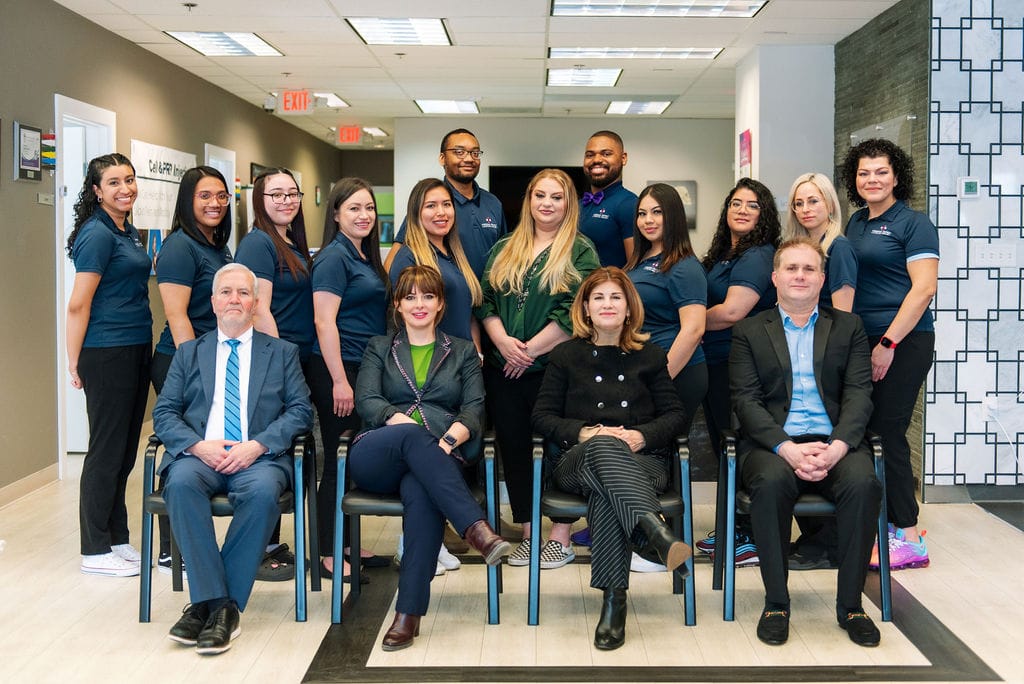
Patients across the region trust our team because our combined chiropractic and physical medicine approach addresses the source of muscular pain rather than only the symptoms. Our practitioners hold proper credentials required by the Commonwealth of Virginia and have served the community for years. Here are several reasons our patients return to us:
Credentialed Practitioners in Northern Virginia
Our team holds the training and licensing required by Virginia for filament needle therapy.
Integrated Treatment Plans
We combine needling with chiropractic adjustments and rehabilitative services for complete care.
Convenient Locations
Our offices are accessible to patients throughout Northern Virginia and adjacent communities.
Insurance and Self-Pay Options
We work with most major carriers and offer flexible arrangements for residents of the area.
Chiropractic and Physical Medicine Services in Northern Virginia
Eleven specialized treatment modalities, delivered consistently across all four clinic locations.
Chiropractic Adjustments
Manual therapy and the Chiropractic BioPhysics protocol for herniated discs, scoliosis, postural dysfunction, and vertebral subluxation.
Chiropractic Pain Management
Multi-modal protocols for back, neck, shoulder, hip, knee, headaches, TMJ, and plantar fasciitis - rooted in structural correction, not pharmaceuticals.
Chiropractic Care for Injuries
Auto, workplace, athletic, and personal-injury rehabilitation with the clinical documentation insurance and legal proceedings require.
Chronic Conditions
Long-term management for arthritis, fibromyalgia, and chronic musculoskeletal pain. Sustainable function over short-term symptom suppression.
Laser Therapy
Cold-laser and Class IV therapeutic laser for tendonitis, bursitis, neuropathic conditions, and post-surgical recovery. No medication, no downtime.
MLS Laser Therapy
FDA-cleared dual-wavelength laser that pairs continuous and pulsed emissions to reduce inflammation and accelerate tissue repair.
Neurological Care
The NeuroMed program for diabetic and idiopathic neuropathy, carpal tunnel, drop foot, and postherpetic neuralgia.
Rehabilitation Services
Corrective exercises and functional movement training that retrain the muscular and ligamentous support structures of the spine.
Shockwave Therapy
Extracorporeal acoustic energy for chronic tendinopathies, plantar fasciitis, Achilles tendinopathy, and calcific tendinitis.
Videofluoroscopy & Digital Motion X-Ray
Real-time fluoroscopic imaging that captures spinal function during movement - revealing instabilities and dynamic nerve compression static imaging cannot detect.
Spinal Decompression
Computer-guided, non-surgical traction for herniated and bulging discs, sciatica, and pinched nerves - relieving pressure without injections or surgery.
Dry Needling at four Northern Virginia locations.
Care is delivered with the same CBP-certified providers, the same diagnostic technology, and the same protocols across every office.

Dry Needling in Alexandria
Alexandria, VA 22304
Dry Needling in Falls Church
Falls Church, VA 22043
Dry Needling in Manassas
Manassas, VA 20110
Dry Needling in Woodbridge
Woodbridge, VA 22191
Frequently Asked Questions
Specific to dry needling. Call (703) 370-5300 to discuss your case.