
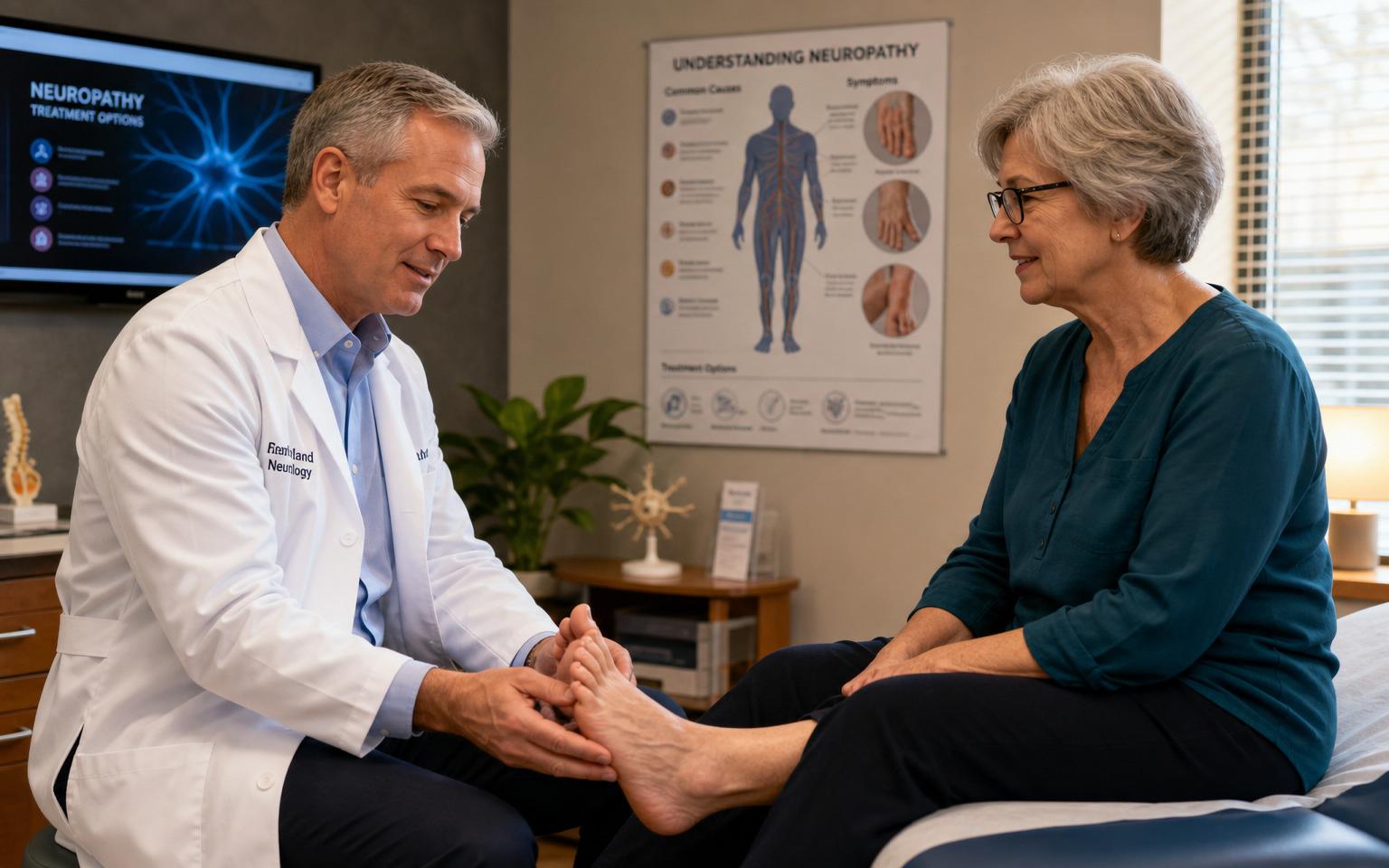
Yes, a doctor can treat your neuropathy, and you do not need a referral to get started. At Virginia Family Chiropractic & Physical Medicine, our providers have evaluated and treated nerve pain since 2008. We use a root-cause approach to identify what is driving your symptoms, then build an individualized, drug-free treatment plan around your specific condition. If you have been told to simply manage the pain or wait it out, there are non-surgical options worth knowing about.
Key Takeaways
- A chiropractor can treat neuropathy symptoms through drug-free, non-surgical care without requiring a specialist referral.
- Peripheral neuropathy causes burning, tingling, or numbness and is often linked to nerve compression or underlying conditions.
- Diagnosis comes first: tracing symptoms to their source determines which treatments will actually produce long-lasting relief.
- Treatments like laser therapy, shockwave therapy, and chiropractic rehabilitation target nerve function directly, not just pain symptoms.
- Patients in Alexandria and across Northern Virginia have access to individualized neuropathy care close to home.
Can a Doctor Actually Treat Neuropathy?
Yes, neuropathy can be treated. Peripheral neuropathy is damage or dysfunction of the nerves outside the brain and spinal cord, causing burning, numbness, or shooting pain in the hands and feet. At Virginia Family Chiropractic & Physical Medicine, we treat it using drug-free modalities including MLS laser therapy, shockwave therapy, and spinal decompression, without relying on medication to mask symptoms.
Many Alexandria patients come to us after hearing the same thing from multiple providers: take this medication and learn to live with it. That answer is frustrating, especially when the pills only dull the pain without addressing why the nerves are misfiring in the first place. Our first job is identifying the compression point or metabolic trigger behind your symptoms, then treating that directly rather than covering it up.
Keep reading to learn what peripheral neuropathy is, how it is diagnosed, and what drug-free neuropathy relief options have real clinical support. Our team has been serving Alexandria and Northern Virginia since 2008, and our office is located at 50 S Pickett St STE 114, Alexandria, VA 22304. You can also visit our neuropathy treatment page to see the specific therapies we offer and how they work.
Simply put, we want you to feel better.
What Is Peripheral Neuropathy and Why Does It Happen?
Peripheral neuropathy is damage to the nerves outside the brain and spinal cord. Those nerves carry signals that control sensation, movement, and organ function. When they are damaged, compressed, or inflamed, signals misfire. The result is pain, numbness, weakness, or a combination of all three.
The Nerve Damage Mechanism Explained
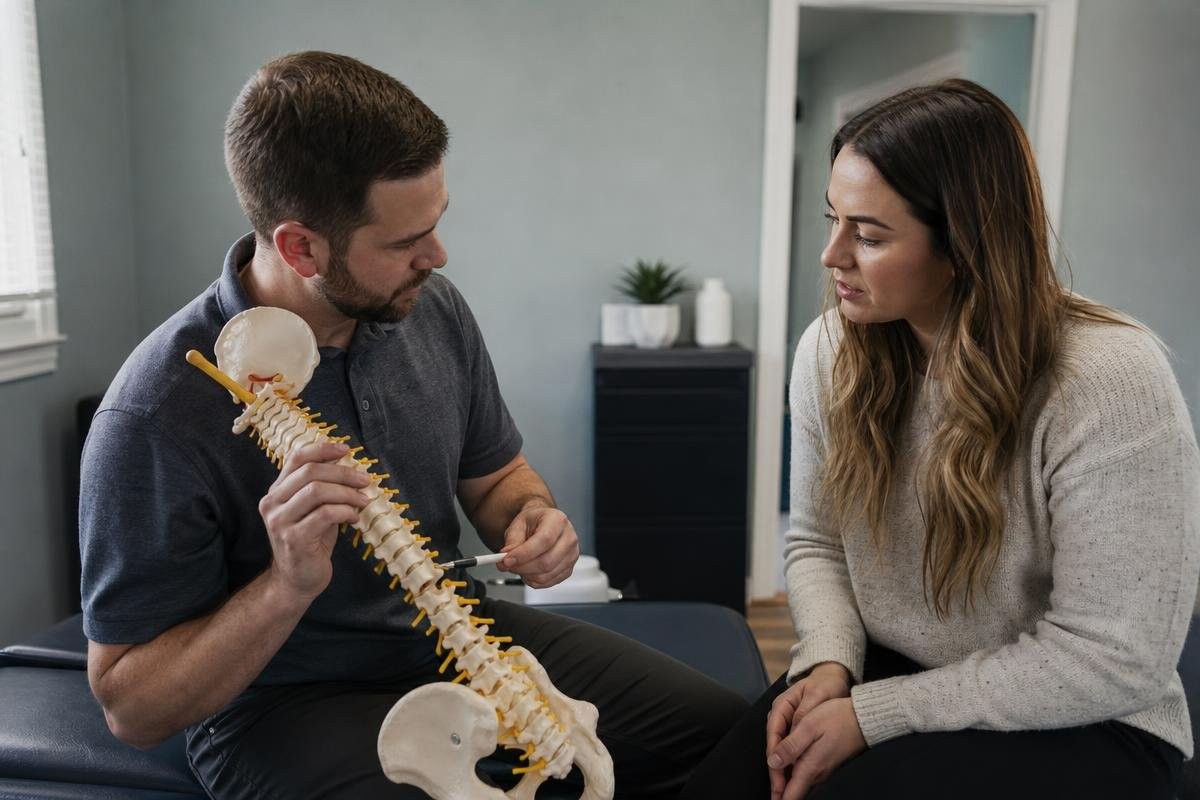
Your peripheral nervous system works like a wiring network. Sensory fibers send pain and temperature signals to the brain. Motor fibers carry movement commands from the brain to your muscles. Autonomic fibers regulate automatic functions like heart rate and digestion. When any of these fibers are damaged or compressed, the signals they carry become distorted or stop altogether.
That distortion is what produces the burning, shooting, or "pins and needles" sensations patients describe. The nerve is not sending accurate information. Your brain receives a pain signal even when no injury is actively occurring.
One pattern we see often in our own intake: compression-driven neuropathy tends to present asymmetrically, showing up in one leg or one hand and tracking to a specific spinal level, while diabetic neuropathy usually appears in a symmetric "stocking and glove" pattern across both feet or hands. That distinction shapes how we test and where we start treatment.
Common Causes: Diabetes, Spinal Compression, and More
Diabetes is the most common cause of peripheral neuropathy. High blood sugar gradually damages nerve fibers throughout the body. Other causes include:
- Chemotherapy-induced nerve damage
- Autoimmune conditions such as lupus or rheumatoid arthritis
- Vitamin B12 deficiency
- Chronic alcohol use
- Spinal nerve compression from a herniated disc or spinal stenosis
That last cause is one we address directly through non-surgical care. A chiropractic approach to neuropathy treatment can reduce compression on spinal nerves without medication or surgery. Patients with disc-related nerve compression may also benefit from our chiropractic rehabilitation program, which targets the underlying structural problem. Alexandria residents who spend long hours at a desk or commuting on I-395 are at particular risk for this type of compression-driven neuropathy.
Symptoms That Tell You Something Is Wrong
Neuropathy symptoms often start in the feet and hands, then move upward. Common signs include:
- Burning or shooting pain
- Numbness or reduced sensation
- Tingling or "pins and needles"
- Muscle weakness
- Loss of balance or coordination
- Unusual sensitivity to touch
These symptoms overlap with other conditions, so an accurate diagnosis matters. If you are not sure whether what you are feeling matches neuropathy, take our neuropathy self-assessment quiz before your first appointment. It takes only a few minutes and helps you arrive with a clearer picture of your symptoms. Simply put, neuropathy is a nerve problem with a source you can find. Locating that source is the first step toward real relief.
How Is Neuropathy Diagnosed?
Diagnosing neuropathy starts with a thorough clinical evaluation, not a guess. Your provider reviews your symptoms, runs targeted neurological tests, and orders lab work or imaging only when the findings call for it. Most patients leave their first visit with a clear picture of what is causing their nerve pain and what to do next.
What to Expect at Your First Evaluation
Your first visit begins with a detailed health history. Your provider asks about symptom onset, exact location, and what makes the pain better or worse. Current medications, prior diagnoses, and your daily activity level all factor into the picture.
We apply a root-cause approach from visit one. That means we are not just treating your symptoms. We are tracing them back to what is driving them. Many of our patients include federal workers and veterans, which is unsurprising given how close Alexandria sits to the Pentagon, area federal campuses, and nearby VA services. These patients often present with long-standing postural stress and sedentary-work patterns. Before your appointment, you can get a head start with our neuropathy self-assessment quiz to help identify your symptom patterns.
Neurological and Physical Exam Findings
Your provider will run several targeted tests during the physical exam. Each one checks a different part of your nervous system.
- Monofilament testing: checks protective sensation in your feet
- Vibration tuning fork test: identifies large-fiber nerve involvement
- Deep tendon reflex assessment: reveals nerve signal interruption
- Muscle strength grading: measures motor nerve function
These tests tell us which nerve fiber types are affected and how severely. That detail shapes your entire care plan. You can review the credentials and backgrounds of the providers who perform these evaluations on our Our Providers page.
When Imaging and Lab Work Come Into Play
Not every neuropathy case needs imaging or blood work, but some do. Blood panels can rule out diabetes, B12 deficiency, and thyroid dysfunction as root causes. X-ray or MRI may be ordered if spinal compression is suspected, since nerve root involvement at the spine can produce symptoms that look like peripheral neuropathy. Understanding the full range of causes is covered in the previous section above.
When additional workup is needed, we coordinate directly with your referring physician. You will not be sent elsewhere without a clear plan for what comes next.
What Drug-Free Treatments Actually Work for Neuropathy?
Several non-surgical neuropathy treatments have strong clinical backing. MLS laser therapy, shockwave therapy, spinal decompression, dry needling, and chiropractic adjustments each target nerve pain through different mechanisms. The right combination depends on what is causing your neuropathy. Our team builds an individualized care plan around your specific diagnosis.
MLS Laser Therapy: Targeting Nerve Inflammation at the Source
Our MLS laser therapy uses dual-wavelength light energy to reach damaged nerve tissue directly. It reduces inflammation, stimulates cellular repair, and improves microcirculation in areas where nerves have been starved of healthy blood flow. The treatment is FDA-cleared, completely painless, and requires no downtime. Most neuropathy protocols run 6 to 12 sessions.
- Reduces nerve inflammation
- Stimulates cellular repair
- Improves microcirculation
- No needles or medication
Shockwave Therapy for Nerve Regeneration
Acoustic shockwave therapy delivers high-energy sound waves into damaged tissue to trigger the body's natural repair response. It is especially effective when neuropathy overlaps with musculoskeletal conditions. Patients dealing with nerve pain alongside foot or heel problems often see strong results. Our shockwave therapy program is a proven drug-free neuropathy relief option with no incisions and no recovery period.
- Stimulates nerve growth factors
- Reduces chronic inflammation
- Improves tissue perfusion
- Non-invasive
Spinal Decompression When Compression Is the Cause
As covered in the causes section, a herniated disc or spinal stenosis can compress a nerve root and produce neuropathy symptoms in the legs, feet, hands, or arms. Spinal decompression gently stretches the spine to relieve that pressure and allow the disc to retract away from the nerve. We use lumbar decompression for sciatica-related neuropathy and cervical decompression for numbness in the hands and arms. This is one of the most effective non-surgical solutions for compression-driven nerve pain.
Dry Needling and Chiropractic Adjustments as Complementary Care
Dry needling targets myofascial trigger points that can entrap peripheral nerves and amplify neuropathic pain signals. It releases muscular tension around the nerve without any medication. Chiropractic adjustments restore proper joint mechanics and reduce nerve irritation at the spinal level. Together, these two therapies support the body's natural healing process and pair well with laser or shockwave protocols for chiropractic care of peripheral neuropathy.
Lifestyle Changes That Support Neuropathy Treatment
What you do between appointments matters as much as what happens in the clinic. The right daily habits can slow nerve damage, reduce pain, and help your drug-free neuropathy relief plan actually stick. Here is what we tell patients at the end of every visit.
Blood Sugar Control and Nutritional Support
For diabetic neuropathy, keeping blood sugar in a tight range is the single most important thing you can do. Nutritional deficiencies, especially B12, B6, and alpha-lipoic acid, also directly damage peripheral nerves. Ask your primary care physician to run labs, and let us know what you find so we can factor nutritional support into your individualized care plan.
Movement, Balance, and Rehabilitation Exercises
Yes, exercise genuinely helps nerve pain. Low-impact movement improves circulation to peripheral nerves and slows progression over time. Balance training is especially important if sensory neuropathy has affected your footing and fall risk. Our chiropractic rehabilitation program builds structured exercise into your non-surgical neuropathy treatment plan from day one.
If you are an older adult, our post on how Alexandria seniors can improve balance and prevent falls is a practical starting point. Commuters from Del Ray, Rosemont, and Old Town who spend long stretches on I-395 or the Metro to downtown should also make a point of breaking up sitting with short walks throughout the day.
- Low-impact aerobic exercise: walking, swimming, or cycling
- Balance and proprioception drills
- Stretching for tight calves and feet
- Strength training for foot and ankle muscles
What to Avoid to Prevent Nerve Damage from Worsening
Alcohol, smoking, and prolonged pressure on your limbs all accelerate nerve damage. Crossing your legs, wearing ill-fitting shoes, and staying in one position too long compress the very nerves you are trying to protect. Small changes in daily habits make a real difference over weeks and months.
- Limit or eliminate alcohol
- Quit smoking
- Wear cushioned, properly fitted footwear
- Avoid prolonged sitting without movement breaks
- Inspect feet daily (especially important for diabetic patients)
Neuropathy Treatment in Alexandria, VA: What Local Patients Should Know
Why Northern Virginia Patients Seek Non-Surgical Relief
Residents in zip codes 22301, 22302, and 22304 include a large share of federal employees, military veterans, and daily commuters. Long hours sitting in traffic on I-395 or the Capital Beltway put steady pressure on spinal structures. That pressure can compress nerves and trigger peripheral neuropathy symptoms over time. If you want to understand how spinal problems can cause neuropathy, we cover that connection in detail.
Many patients from Del Ray, Seminary Hill, and the West End come to us after medication alone failed to give them lasting relief. They are looking for a drug-free approach that addresses the source of the problem, not just the symptoms. Our chronic pain chiropractor team works with patients who have tried other options and still need answers.
No specialist referral is required. We accept patients of all ages and abilities.
Serving Alexandria and Surrounding Cities Since 2008
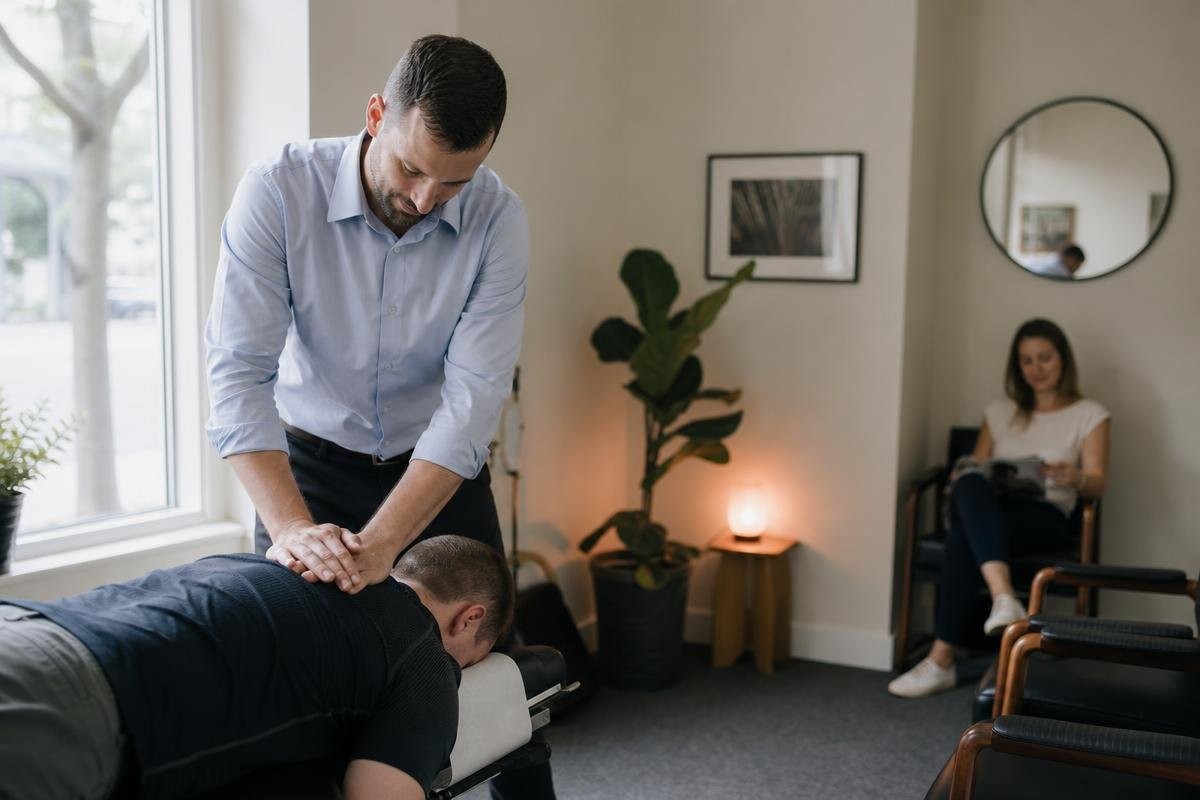
Virginia Family Chiropractic & Physical Medicine has provided non-surgical neuropathy treatment in Alexandria, VA for well over a decade. Our office is located at 50 S Pickett St STE 114, Alexandria, VA 22304. We also serve patients traveling from Falls Church, Manassas, and Woodbridge, so a distant specialist is not your only option.
Our patients have left 1,934 reviews averaging 4.9 out of 5 stars. Reviewers consistently describe our staff as attentive and kind. Providers Dr. Cassou and Dr. Gyzel are frequently named for their thorough treatment approach and clear explanations.
Visit our Alexandria chiropractor location page to see hours, directions, and insurance information. Peripheral neuropathy treatment is available now, without a wait for a specialist appointment.
Simply put, we want you to feel better.
Frequently Asked Questions
Can a chiropractor actually treat peripheral neuropathy?
Yes. Providers trained in physical medicine use non-surgical therapies to address the root causes of nerve pain. Our neuropathy treatment options include MLS laser therapy, shockwave therapy, spinal decompression, and dry needling. These target nerve inflammation, spinal compression, and impaired circulation without medication or surgery.
What is the most effective treatment for neuropathy?
Effectiveness depends on the underlying cause. Spinal compression responds well to decompression therapy. Inflammatory and diabetic neuropathy have strong clinical support for MLS laser and shockwave therapy. We build an individualized plan after a thorough evaluation, not a one-size-fits-all protocol.
How long does neuropathy treatment take to show results?
Most patients notice improvement within 4 to 8 weeks of consistent treatment. Timelines vary based on severity and how long the nerve damage has been present. Acute mechanical cases often respond faster than long-standing diabetic neuropathy. Your provider sets realistic expectations at the first visit and adjusts the plan based on your progress.
Is neuropathy treatment covered by insurance?
Coverage varies by plan and therapy type. Many chiropractic and physical medicine services are covered under standard health insurance, Medicare, and workers' compensation plans. Our front desk team can verify your benefits before your first appointment.
Can neuropathy be cured, or only managed?
When caused by a correctable condition like spinal compression or a nutritional deficiency, symptoms can resolve significantly or completely. In chronic cases such as long-term diabetic neuropathy, the goal shifts to slowing progression, reducing pain, and improving function. By treating the underlying source rather than the symptom, we aim for the best possible long-term outcome.
What should I bring to my first neuropathy appointment?
Bring a list of current medications, recent lab results such as blood sugar and B12 levels, any imaging reports you have, and a description of your symptoms including when they started and what triggers them. If you have already taken our neuropathy self-assessment quiz, bring those results too. It gives your provider a useful starting point before the exam.
Nerve pain does not have to be permanent. Take the online neuropathy quiz at virginiafamilychiropractic.com/neuropathy-quiz and bring your results to your first visit. Call our office at 50 S Pickett St STE 114, Alexandria, VA 22304, or request an appointment online. We have helped patients across Northern Virginia get real relief for years, and we are ready to build a plan that works for you.
Ready to Get Started with Virginia Family Chiropractic & Physical Medicine?
Get in touch to speak with our team directly. We're ready to answer your questions, walk you through your options, and help you find the right solution for your needs. Whether you're just starting to plan or ready to move forward, we'll make the process simple and stress-free.