
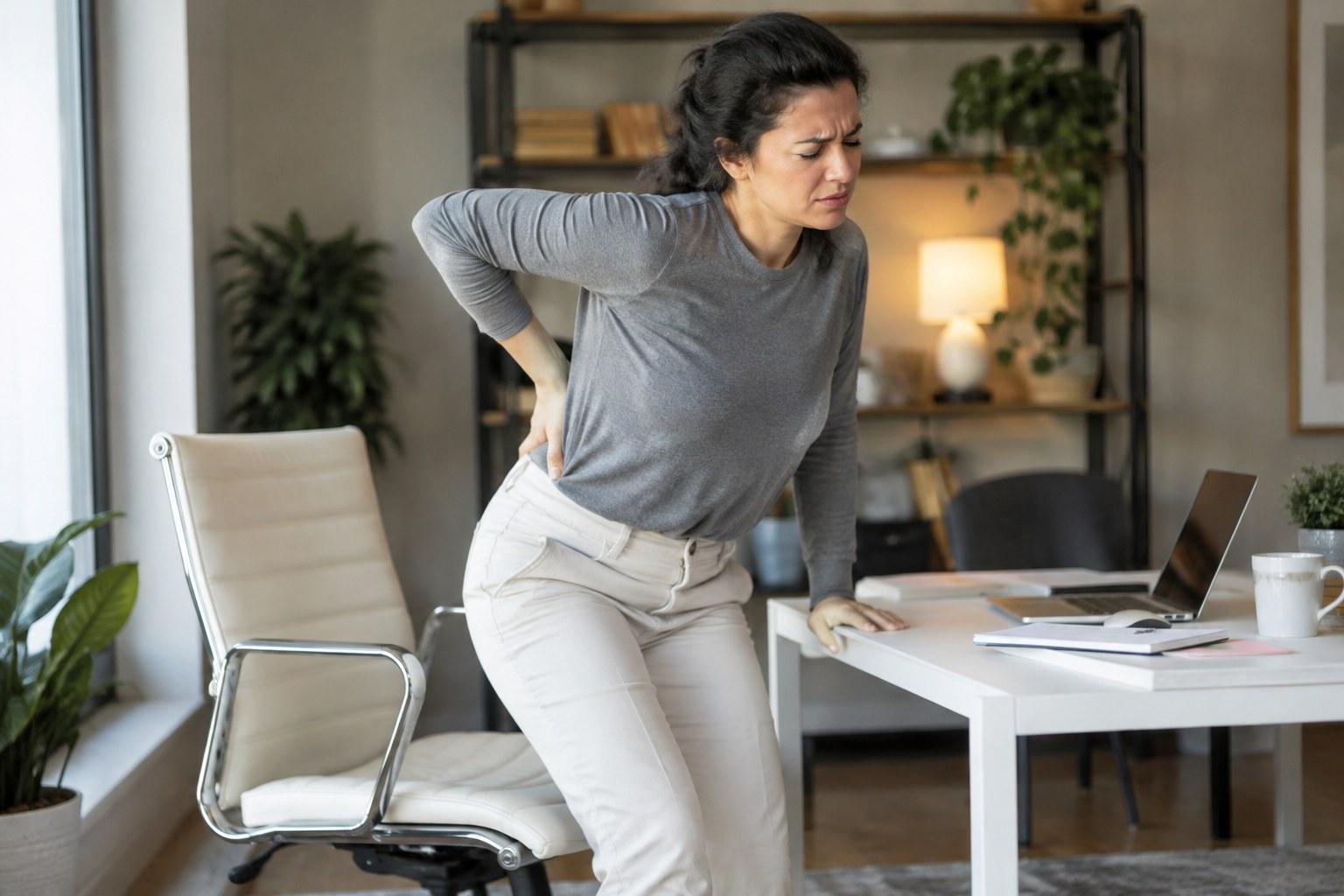
Pain on one side of the low back, just above the buttock, is easy to blame on a pulled muscle or a disc. For many adults, though, the source is a small joint that rarely gets attention until it starts to hurt. The sacroiliac joint, often called the SI joint, sits where the spine meets the pelvis. When it moves too much, too little, or becomes inflamed, it can make sitting, standing up, climbing stairs, and even rolling over in bed uncomfortable.
Whether you commute on I-95, spend long days at a desk in Falls Church, or chase kids around a Manassas soccer field, SI joint pain can quietly reshape your day. This guide explains what the joint does, why it becomes irritated, how its symptoms compare with other causes of low back pain, and what you can do about it. If you want a professional opinion sooner, our team is ready to help at any of our four offices: Alexandria at (703) 370-5300; Falls Church at (703) 538-3830; Manassas at (703) 367-7878; Woodbridge at (703) 499-8840.
Key Takeaways
- The sacroiliac joints connect the sacrum at the base of the spine to the hip bones and help absorb shock between the upper body and the legs.
- SI joint pain usually shows up on one side of the low back or buttock and can travel into the hip, groin, or back of the thigh.
- Too much motion, too little motion, and inflammation are the main ways the joint becomes painful.
- Because the pain can feel like sciatica or a disc problem, a hands-on evaluation can help identify the likely source.
- Posture changes, targeted strengthening, and conservative care often help, and red-flag symptoms always deserve prompt medical attention.
What the Sacroiliac Joint Does
You have two sacroiliac joints, one on each side of the pelvis. Each one links the sacrum, the triangular bone at the bottom of the spine, to the ilium, the large wing-shaped bone of the hip. According to Spine-health, the main job of these joints is to absorb shock between the upper body and the pelvis and legs.
Unlike the shoulder or knee, the SI joint moves only a little. Small shifts help with shock absorption and with bending forward and backward. Strong ligaments wrap around the joint to keep it stable, and nearby muscles, including the gluteus maximus and the piriformis, help support it. When that balance of stability and small motion is disrupted, the joint and the tissues around it can become sore.
Common Causes of SI Joint Pain
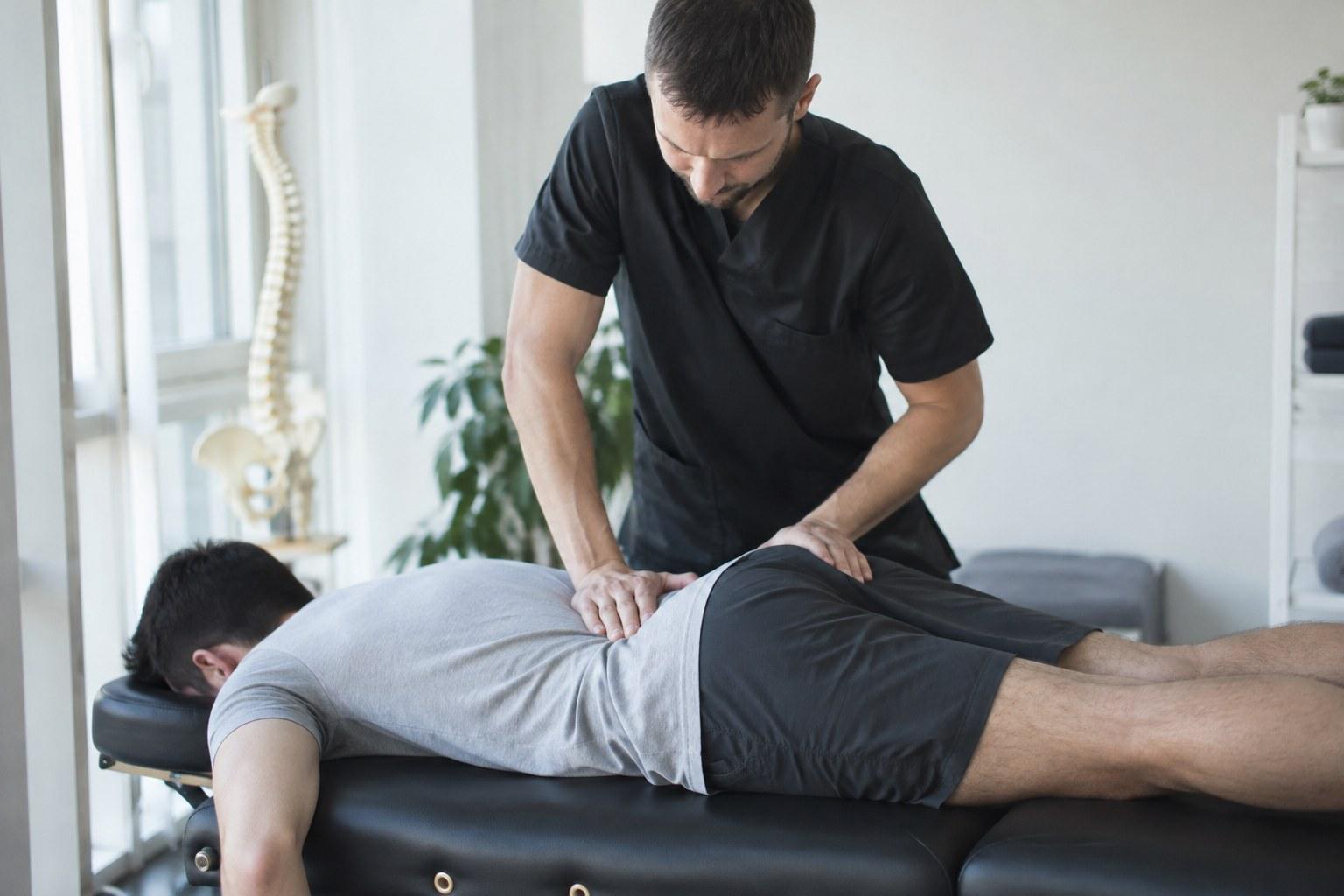
Spine-health describes three main ways the joint becomes a problem. Many people have more than one factor at play, which is why a careful history matters.
Too Much Movement
When the joint is loose or unstable, the pelvis can feel wobbly. Pain from too much motion is typically felt in the lower back or hip and may spread toward the groin. Pregnancy and the months after giving birth are a well-known time for this, because the body naturally loosens ligaments around the pelvis.
Too Little Movement
When the joint gets stiff or "stuck," surrounding muscles tighten to compensate. This pattern often causes pain on one side of the low back or buttock, and it can radiate down the back of the leg in a way that feels a lot like sciatica.
Inflammation
Inflammation of the joint, called sacroiliitis, can produce pelvic pain and stiffness. Sometimes it follows mechanical strain, and sometimes it is linked to an infection or a rheumatic condition. That second group needs medical evaluation, which is one reason self-diagnosis is risky.
Everyday Habits That Add Strain
Day-to-day patterns can also load one side of the pelvis more than the other. Common examples we hear about in Northern Virginia include:
- Sitting for long stretches in traffic or at a desk, often with a wallet in one back pocket
- Always standing with weight shifted onto the same leg
- Carrying a toddler or a heavy bag on the same hip
- Running or hiking on uneven or sloped trails without building hip strength first
- Sudden twisting while lifting, such as moving boxes or loading the car
If long hours in a chair seem to be part of your story, you may also find our guide on why adults get hip pain after sitting useful.
Signs Your Pain May Be Coming From the SI Joint
SI joint pain does not look the same in every person, but certain patterns show up often:
- A dull or sharp ache on one side of the low back, often near a dimple just above the buttock
- Pain that spreads into the buttock, hip, groin, or back of the thigh
- Discomfort when standing up from a chair, getting out of a car, or climbing stairs
- Pain when standing on one leg, such as while putting on pants
- Stiffness after sitting or lying down for a while
- A feeling that the pelvis is unstable or "giving way"
SI Joint Pain vs Sciatica vs Disc Pain
Spine-health notes that leg pain from the SI joint can be hard to tell apart from leg pain caused by a lumbar disc herniation, because the two can feel quite similar. The table below shows general tendencies, not rules. An in-person exam can help sort them out.
| Feature | SI Joint Pain | Disc-Related Sciatica | Muscle Strain |
|---|---|---|---|
| Typical location | One side of the low back and buttock | Low back with pain running down the leg | Back muscles on one or both sides |
| Leg symptoms | Often stops above the knee | Can travel below the knee into the foot | Usually no leg symptoms |
| Numbness or tingling | Less common | More common | Rare |
| Common triggers | Standing up, stairs, standing on one leg | Sitting, bending, coughing or sneezing | Specific movements after a strain |
| Onset | Gradual or after a fall, twist, or pregnancy | Gradual or after lifting | Usually sudden after activity |
If you are dealing with pain that runs well below the knee, our post on sciatica and chiropractic care explains that condition in more detail.
Simple Habits That Can Ease SI Joint Strain at Home
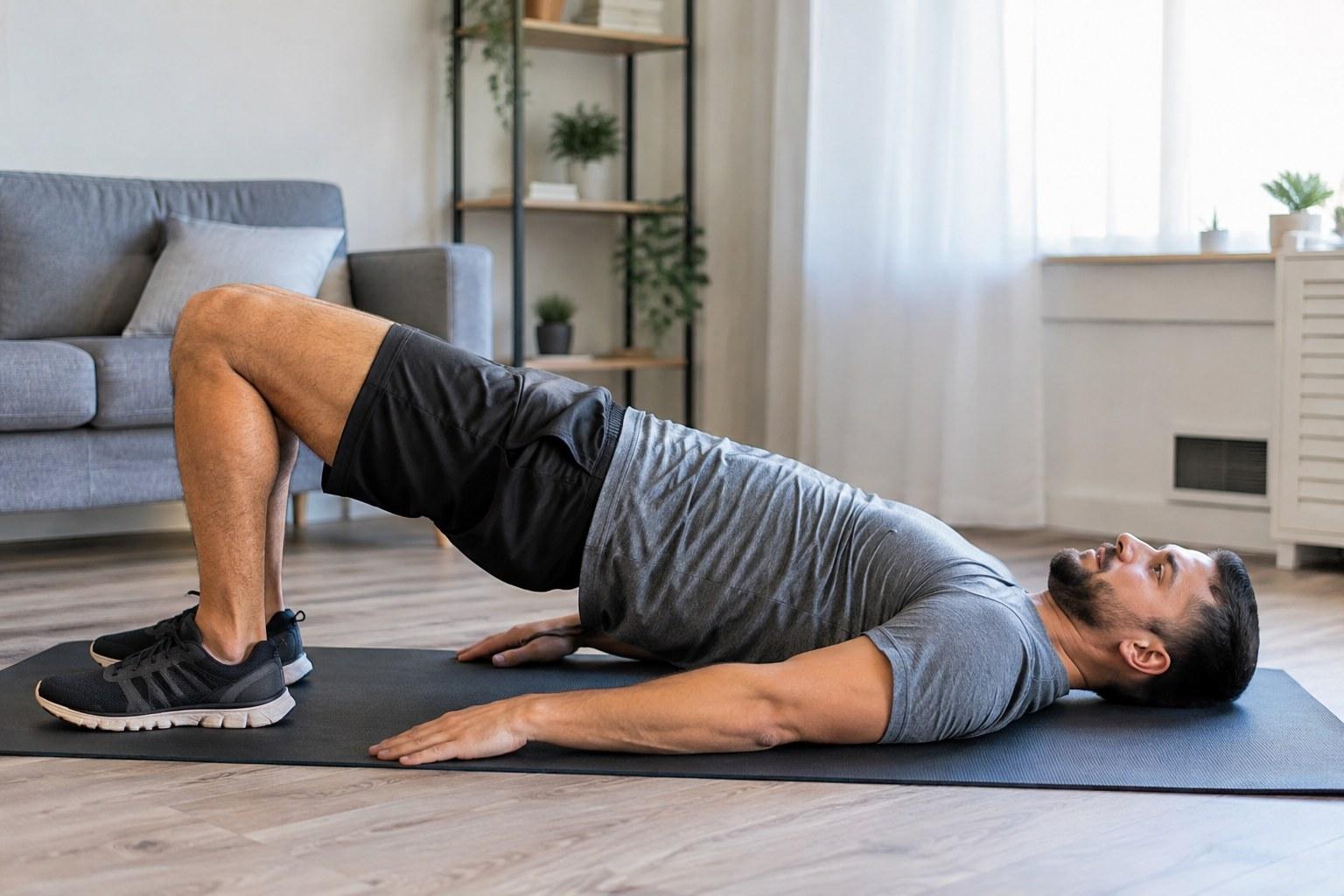
These general tips are meant for mild, mechanical aches. Stop any activity that sharply increases your pain, and check with a provider before starting new exercises.
Even Out Your Posture
Sit with both feet flat on the floor and your weight balanced across both sitting bones. Take your wallet out of your back pocket before you drive. When standing, try to share your weight between both legs instead of locking one knee.
Break Up Long Sitting
Set a reminder to stand and walk for a minute or two every 30 to 45 minutes. On long commutes, use rest stops to stretch your legs. Short, frequent movement breaks are often easier on the joint than one long workout after a day of sitting.
Strengthen the Supporting Muscles
The glutes and deep core muscles help hold the pelvis steady. Gentle options such as glute bridges, clamshells, and bird dogs are common starting points. A provider can show you proper form and tell you which exercises fit your pattern, since a loose joint and a stiff joint may need different approaches.
Mind How You Sleep and Get Up
Many people find side sleeping with a pillow between the knees more comfortable because it keeps the pelvis level. When getting out of bed or a car, keep your knees together and move your legs as a unit rather than twisting.
Use Heat or Ice Thoughtfully
Some people prefer ice for a fresh flare and heat for stiffness. Limit either one to short sessions with a barrier between the skin and the pack.
How Our Northern Virginia Team Approaches SI Joint Pain
Because SI joint pain overlaps with so many other conditions, our first step is always a careful evaluation. We ask about your history, how the pain started, and what makes it better or worse. We then check your posture, pelvic alignment, and how your hips and low back move. Specific movement and pressure tests help narrow down whether the SI joint is the likely source. If the picture suggests something outside our scope, we will tell you and point you toward the right specialist.
When the SI joint is the culprit, a plan may combine several conservative options:
- Chiropractic adjustments or gentle mobilization to restore normal motion in a stiff joint
- Rehabilitation exercises to build glute, hip, and core stability, especially for a loose joint
- Soft tissue work on tight muscles around the pelvis, such as the piriformis and hip flexors
- Dry needling for stubborn muscle tension when appropriate
- Practical advice on sitting, sleeping, lifting, and returning to exercise
Responses vary from person to person, so we track your progress and adjust care as you go.
When to Seek Medical Care Right Away
Most low back and pelvic pain is mechanical, but some symptoms need urgent attention. Seek prompt medical care if pain follows a serious fall or car accident, comes with fever or unexplained weight loss, or is joined by numbness in the groin or inner thighs, new weakness in a leg, or changes in bladder or bowel control. These signs are not typical of simple SI joint strain and should be checked without delay.
Frequently Asked Questions
Where is SI joint pain usually felt?
Most people feel it on one side of the low back, often near the dimple just above the buttock. It can spread into the buttock, hip, groin, or the back of the thigh.
Can SI joint pain feel like sciatica?
Yes. Pain from the SI joint can travel down the back of the leg and feel very similar to sciatica from a disc problem. A hands-on exam helps tell the two apart.
What makes SI joint pain worse?
Common triggers include standing up from a chair, climbing stairs, standing on one leg, long periods of sitting, and twisting while lifting.
Is walking good for SI joint pain?
For many people, short and comfortable walks on level ground are helpful. If walking sharply increases your pain, stop and have the joint evaluated before continuing.
Can a chiropractor help with SI joint pain?
A chiropractor can evaluate whether the SI joint is the likely source and may use adjustments, mobilization, exercises, and soft tissue work as part of a conservative plan.
How do I schedule a visit for SI joint pain?
Call the office nearest you: Alexandria at (703) 370-5300; Falls Church at (703) 538-3830; Manassas at (703) 367-7878; Woodbridge at (703) 499-8840. You can also reach us through our contact page.
About Virginia Family Chiropractic & Physical Medicine
Virginia Family Chiropractic & Physical Medicine serves Northern Virginia from four offices in Alexandria, Falls Church, Manassas, and Woodbridge. Our team combines chiropractic adjustments, chiropractic rehabilitation, and other conservative therapies to help patients move more comfortably. Every plan starts with a thorough evaluation so care fits the person, not just the symptom. You can find directions and hours for each office on our locations page.
Get Moving Comfortably Again
If one-sided low back or buttock pain keeps interrupting your sitting, sleeping, or workouts, an evaluation can help find the source and a plan that fits your life. Call the office closest to you: Alexandria at (703) 370-5300; Falls Church at (703) 538-3830; Manassas at (703) 367-7878; Woodbridge at (703) 499-8840.