
With winter comes beautiful snowy scenery and chilly temperatures — but also an increase in back pain. From shoveling snow to spending more time indoors, seasonal habits can put extra strain on your spine. Fortunately, with a few proactive steps, you can protect your back and stay comfortable all winter long.
Why Back Pain Is More Common in Winter
Cold weather affects your body in several ways that can increase the risk of spinal discomfort:
- Muscles tighten to conserve heat in colder temperatures, making them more prone to strain.
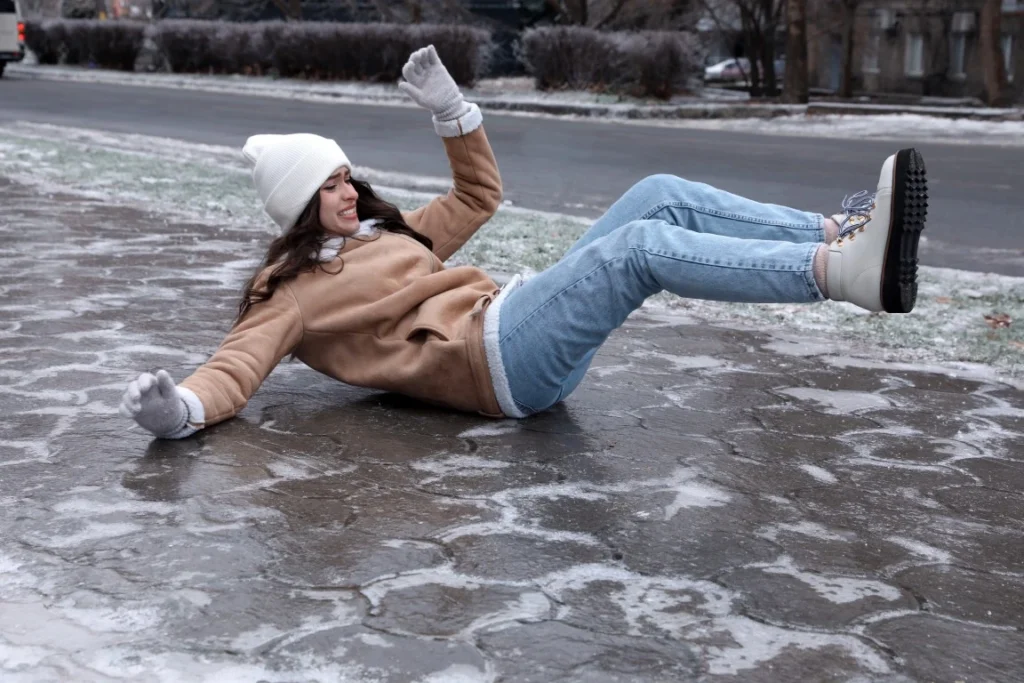
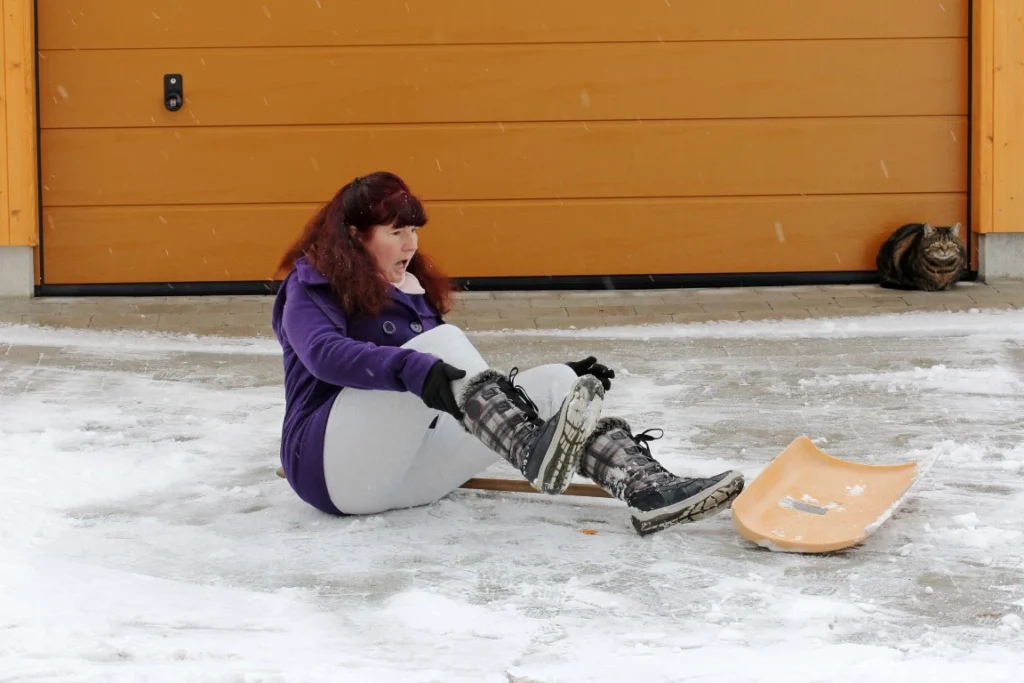
- Slippery surfaces increase the risk of falls and sudden movements that can cause acute injuries
- Reduced activity levels lead to stiffness and weakened core muscles
- Poor posture indoors, especially during long periods of sitting, places extra stress on the spine.
- Improperly shoveling snow puts immense stress on the back.
Understanding these risks is the first step toward preventing winter-related back pain.
Warm Up Before Winter Activities
Whether you’re shoveling snow, scraping ice, or heading out for a winter walk, you should take a few minutes to warm up. Doing a few gentle stretches and some light movement will help increase blood flow and loosen tight muscles, reducing the risk of injury. Even a few minutes of movement can make a big difference.
Use Proper Snow Shoveling Techniques
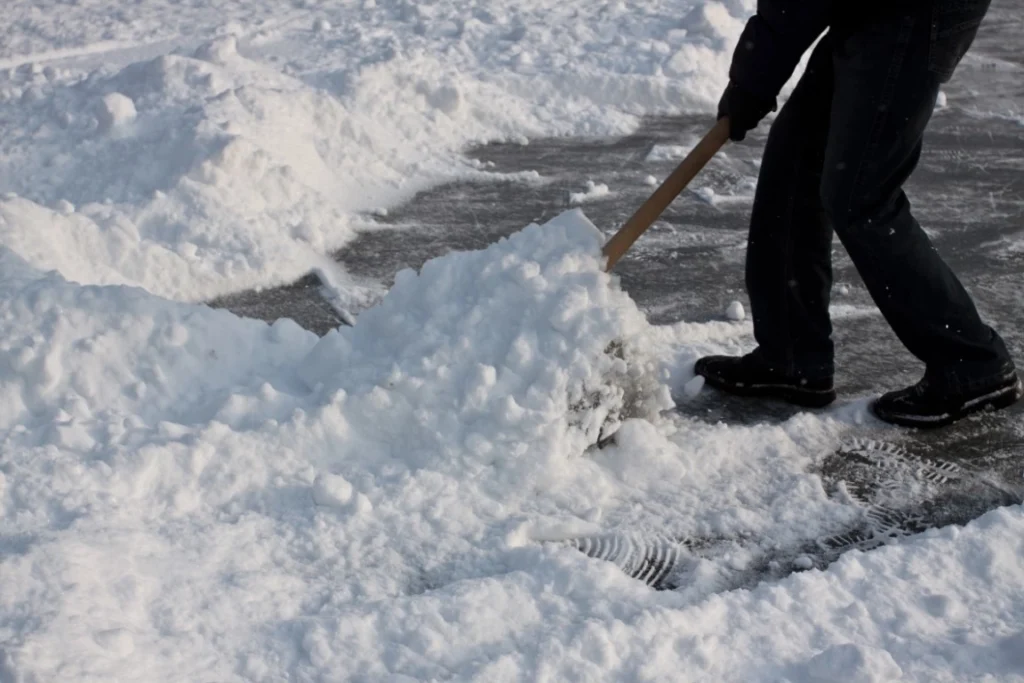
Snow shoveling is one of the most common causes of winter back injuries. To protect your spine:
- Bend at your knees, not your waist
- Keep the shovel close to your body
- Avoid twisting while lifting; turn your whole body instead
- Take frequent breaks and avoid overexertion
- When possible, push snow rather than lift and throw it
- Drink plenty of water before, during, and after
If possible, consider using a lightweight, ergonomic shovel or asking for help during heavy snowfall.
Prevent Slips and Falls
Falls are a major cause of back and spinal injuries during the winter months. To keep yourself from slipping, you should:
- Wear footwear with good traction when walking outdoors
- Keep walkways clear of ice and snow
- Use handrails when available
- Take smaller steps and walk slowly on icy surfaces
- Keep your hands out of your pockets to help maintain your balance
These simple precautions can help you avoid serious injuries.
Stay Active Indoors
Cold temperatures often lead to less movement, but staying active plays a key role in spinal health. Low-impact exercises such as stretching, yoga, or core-strengthening routines help maintain flexibility and support your spine. Consider also maintaining a membership at and attending your local gym.
Take Care of Your Body
Staying indoors more often and celebrating the holidays can make it hard to continue to eat well and take care of your body. However, remembering to drink plenty of water and eat a balanced diet can help you manage inflammation, which can exacerbate back pain. You should focus specifically on incorporating magnesium, vitamin D, and omega-3 fatty acids.
Maintain Good Posture
Spending more time indoors often equals more time sitting. Be mindful of your posture when working, watching TV, or using your phone:
- Keep your feet flat on the floor
- Sit with your back supported and shoulders relaxed
- Avoid slouching or leaning forward for extended periods.
Dress Warm to Protect Your Muscles
Cold muscles are more likely to tighten and strain. Dressing in warm layers helps keep muscles flexible and support healthy blood circulation, especially around the neck, back, and core.
Know When to Seek Professional Care
If back pain persists, worsens, or interferes with daily activities, you should seek professional care. Chiropractors and spine care specialists can identify underlying issues, provide targeted treatments, and offer personalized recommendations to help keep your spine healthy throughout the winter.
Symptoms that should not be ignored include:
- Pain that radiates down the leg or into the arms
- Numbness, tingling, or weakness
- Loss of balance or coordination
- Sudden or severe back pain after a fall
Check on Your Neighbors
In addition to keeping yourself safe and minimizing your property’s slip and fall danger, consider:
- Checking on older neighbors after snowstorms
- Offering to help with snow removal to reduce injury risk
- Encouraging shared responsibility in your neighborhood for safe walkways
Winter can be tough for many people, and taking steps beyond your property can create a safer season for everyone.
Stay Safe and Pain-Free This Winter
Winter doesn’t have to include back pain. By staying active, using proper techniques, and taking extra care in cold conditions, you can protect your spine and enjoy the season safely. A little preparation goes a long way toward keeping your back healthy all winter long.