

If you’ve been feeling unsteady on your feet, experiencing weakness in your legs, or have had near-falls or actual falls, you’re not alone. Many people suffering from neuropathy experience these same challenges. Fortunately, with the right approach, including chiropractic care, you can begin to regain stability, strength, and confidence in your movements.
What is Peripheral Neuropathy?
Peripheral neuropathy is a condition that damages the peripheral nervous system, which is all the nerves outside the brain and spinal cord. It mostly commonly affects the nerves in the hands, feet, legs, and arms.
Typical causes include:
- Type 2 Diabetes.
- Alcoholism.
- Chemotherapy.
- Autoimmune disorders, such as Guillain-Barré Syndrome.
- Vitamin and nutrient deficiencies.
- Genetic conditions.
- Infections.
- Injuries.
- Certain medications.
Before balance problems become noticeable, you might experience tingling, numbness, or burning sensations in your hands or feet. Addressing these early can prevent progression and help maintain mobility. Additionally, understanding the underlying cause is key to creating an effective treatment plan.
Why Neuropathy Causes Balance Problems

Because peripheral neuropathy damages the nerves that carry signals between your brain, spinal cord, and body, it can cause dysfunction with the following:
- Sensory nerves, which help you feel the ground beneath your feet.
- Motor nerves, which control your muscle strength and coordination, and help you walk.
- Autonomic nerves, which regulate blood pressure and balance reflexes.
When these nerves aren’t working properly, it can lead to:
- Numbness, a loss of sensation, or tingling in your feet and legs.
- Muscle weakness, fatigue, or cramps.
- A loss of coordination.
- Difficulty walking or maintaining balance.
- Dizziness and vertigo.
- Drop foot, which is a condition that makes it hard to lift your foot off the ground.
Over time, these symptoms increase the risk of falls and injuries, especially in older adults.
The Role of Chiropractic Care in Managing Neuropathy Symptoms
Chiropractic care focuses on improving how your nervous system and musculoskeletal system work together. When your spine and joints are properly aligned, nerve communication can improve and your body can function more effectively.
Here’s how chiropractic treatment may help with neuropathy-related balance and weakness:
Improving Nerve Function - Chiropractic adjustments can relieve pressure on compressed nerves, allowing for better nerve signaling throughout the body. This can help reduce tingling, numbness, weakness, and discomfort associated with neuropathy.
Enhancing Balance and Coordination - By aligning the spine and pelvis, chiropractic care helps you have better posture and weight distribution, making walking and standing feel more stable and balanced.
Increasing Muscle Strength - Many chiropractors integrate therapeutic exercises into care plans to help rebuild muscle strength, particularly in the legs and core, which are essential areas for stability and mobility.
Supporting Blood Flow and Healing - Chiropractors may also incorporate additional therapies, such as laser therapy or neuropathy-specific rehabilitation, to stimulate nerve repair, reduce inflammation, and promote better circulation. Laser therapy also ensures that the peripheral nerves get the oxygen and nutrients they need to be healthy and perform their proper functions.
Reducing Inflammation - Virginia Family Chiropractic also provides intravenous immunoglobulin and plasma exchange to reduce inflammation by suppressing the immune system. This is especially beneficial for those who have muscle weakness as a result of peripheral neuropathy.
Preventing Falls and Regaining Confidence
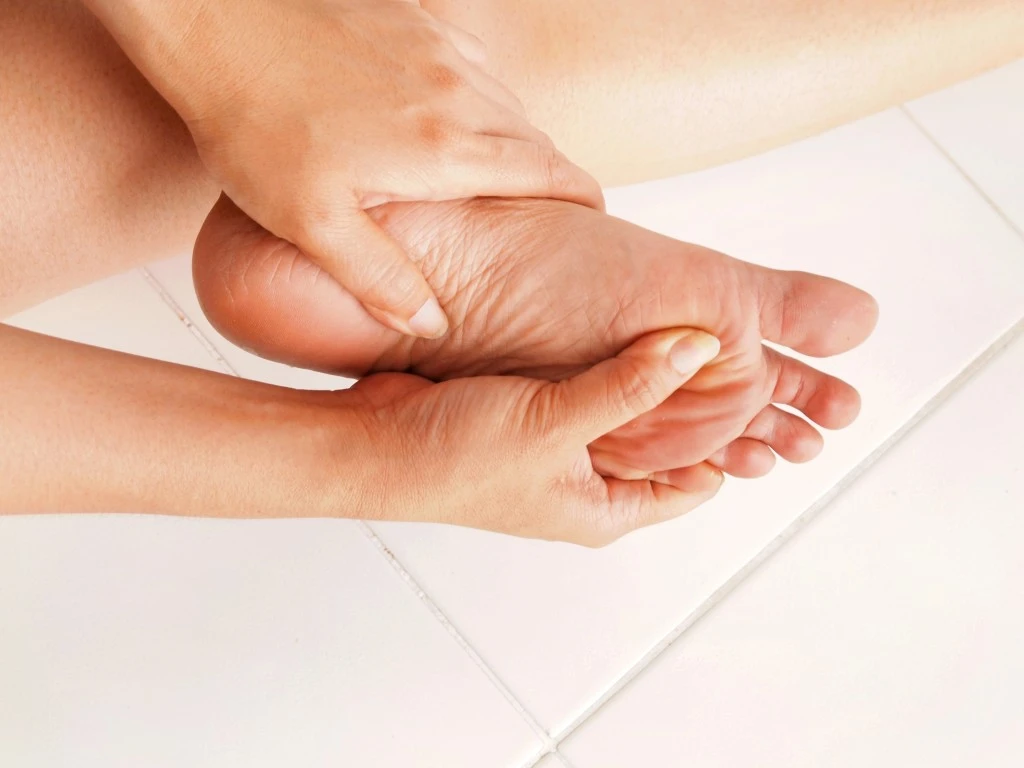
Chiropractic care is not just about pain relief; it’s about helping you move safely and confidently again. Along with chiropractic adjustments, your provider may recommend:
- Balance and stability training.
- Stretching and strengthening routines.
- Footwear or orthotic support.
- Lifestyle changes to promote better nerve health, such as better exercise, improved diet, or enhanced hydration.
- Taking supplements, as vitamin D and B deficiencies can worsen neuropathy symptoms.
With consistent care, many patients notice improvements in how they walk, stand, and complete everyday activities within a few weeks to months of treatment.
Additional Fall Prevention Tips - Along with chiropractic care, simple home adjustments can make a big difference. Keep floors clutter-free, install grab bars in bathrooms, wear supportive shoes, and ensure rooms are well-lit to reduce fall risk.
Take the First Step Toward Better Balance
Balance issues, weakness, and frequent falls can make it hard to complete daily activities, making life feel unpredictable and frustrating. Fortunately, if neuropathy is behind your instability, chiropractic care offers a natural and effective way to support your nervous system and improve your body’s ability to move with confidence. Spinal adjustments, nerve-focused therapies, and guided exercises can all help restore balance, coordination, and strength over time.
If you’re ready to take a proactive step toward feeling steady on your feet again, schedule a consultation at Virginia Family Chiropractic.