

How Multiwave Locked System Technology Is Engineered
MLS technology is defined by the coordinated operation of two laser emissions rather than by power alone. Its control system locks the emissions into a synchronized pattern so clinicians can deliver consistent parameters from one treatment field to the next.
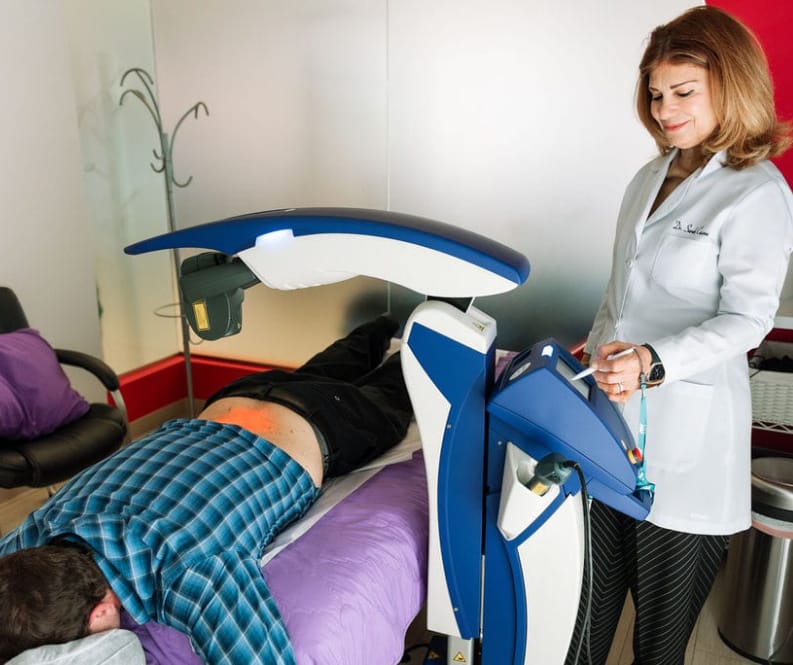
808 nm Continuous Emission
The 808-nanometer emission operates in continuous mode. Within the MLS platform, it forms one half of the synchronized output and is associated with the system's anti-inflammatory treatment objective.
905 nm Pulsed Emission
The 905-nanometer emission is delivered in pulses and is associated with the system's analgesic treatment objective. Pulsed delivery allows this wavelength to be paired with the continuous channel in the same programmed application.
Synchronized Dual-Wavelength Output
Proprietary synchronization coordinates the continuous and pulsed emissions so they reach the treatment field in a controlled relationship. This locked timing is the defining technical feature that distinguishes MLS equipment from independently operated single-wavelength devices.
Programmable Treatment Parameters and Application Modes
MLS treatment is planned through device settings that account for the target area, treatment time, emission frequency, and calculated energy delivery. These controls allow the clinician to reproduce a selected protocol and adjust it as the treatment plan progresses.
Preset and Customized Protocols
The control interface supports condition-based starting protocols while allowing trained clinicians to modify treatment time, frequency, and delivered energy for the selected anatomical area.
Point and Area Application
Depending on the treatment field, the applicator can be positioned over a defined point or moved across a larger area. The selected method is documented so coverage remains consistent across sessions.
Dose and Session Tracking
Treatment planning considers total energy, treatment-field size, and session duration rather than relying on device power as a standalone measure. Recorded settings support repeatable delivery and informed adjustments at reassessment.
How We Select and Verify MLS Treatment Settings
The equipment provides a technical platform, but appropriate parameter selection still depends on a clinical evaluation. At our Alexandria office, the treating clinician identifies the target tissue, estimates its depth and treatment area, checks precautions, and selects the MLS settings before application.
Target Depth and Field Size
Anatomical depth and the dimensions of the treatment field guide applicator placement, treatment time, and energy distribution. Small focal targets and broad tissue regions require different delivery plans.
Acute and Chronic Settings
The clinician considers whether the presentation is acute, subacute, or chronic when selecting the starting protocol. Parameters may be revised as irritability, function, and tolerance change.
Safety Controls
Protective eyewear, controlled access to the treatment area, device-specific setup checks, and screening for contraindications are part of every MLS session. The applicator is operated only by trained clinical staff.
Why Choose Virginia Family Chiropractic?
Our Alexandria clinicians use MLS as a precisely configured treatment system rather than a generic laser setting. Each application is based on the system's dual-wavelength architecture, documented parameters, target anatomy, and the patient's current clinical presentation.
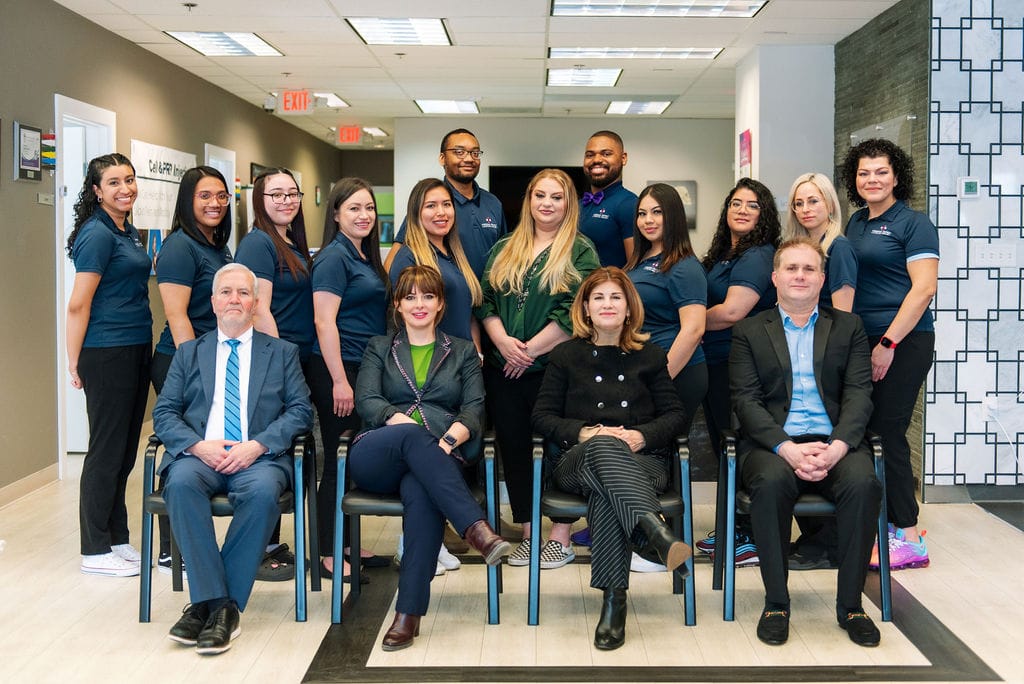
Dual-Wavelength MLS Platform
The system combines synchronized 808 nm continuous and 905 nm pulsed emissions within one controlled treatment cycle.
Documented Device Parameters
Treatment time, frequency, target area, and delivered energy are selected and recorded for consistent application.
Clinician-Directed Setup
A trained practitioner chooses applicator placement and system settings after evaluating the target anatomy and treatment objective.
Alexandria Technology Consultation
Patients can review the equipment, proposed parameters, safety procedures, and how MLS may fit their care plan before beginning treatment.
Chiropractic and Physical Medicine Services in Northern Virginia
Eleven specialized treatment modalities, delivered consistently across all four clinic locations.
Chiropractic Adjustments
Manual therapy and the Chiropractic BioPhysics protocol for herniated discs, scoliosis, postural dysfunction, and vertebral subluxation.
Chiropractic Pain Management
Multi-modal protocols for back, neck, shoulder, hip, knee, headaches, TMJ, and plantar fasciitis - rooted in structural correction, not pharmaceuticals.
Chiropractic Care for Injuries
Auto, workplace, athletic, and personal-injury rehabilitation with the clinical documentation insurance and legal proceedings require.
Chronic Conditions
Long-term management for arthritis, fibromyalgia, and chronic musculoskeletal pain. Sustainable function over short-term symptom suppression.
Laser Therapy
Cold-laser and Class IV therapeutic laser for tendonitis, bursitis, neuropathic conditions, and post-surgical recovery. No medication, no downtime.
Neurological Care
The NeuroMed program for diabetic and idiopathic neuropathy, carpal tunnel, drop foot, and postherpetic neuralgia.
Rehabilitation Services
Corrective exercises and functional movement training that retrain the muscular and ligamentous support structures of the spine.
Shockwave Therapy
Extracorporeal acoustic energy for chronic tendinopathies, plantar fasciitis, Achilles tendinopathy, and calcific tendinitis.
Dry Needling
Trigger-point needling for myofascial pain, muscle tension, and restricted range of motion - performed by certified clinicians.
Videofluoroscopy & Digital Motion X-Ray
Real-time fluoroscopic imaging that captures spinal function during movement - revealing instabilities and dynamic nerve compression static imaging cannot detect.
Spinal Decompression
Computer-guided, non-surgical traction for herniated and bulging discs, sciatica, and pinched nerves - relieving pressure without injections or surgery.
MLS Laser Therapy Technology at four Northern Virginia locations.
Care is delivered with the same CBP-certified providers, the same diagnostic technology, and the same protocols across every office.
MLS Laser Therapy Technology in Alexandria
Alexandria, VA 22304
MLS Laser Therapy Technology in Falls Church
Falls Church, VA 22043
MLS Laser Therapy Technology in Manassas
Manassas, VA 20110
MLS Laser Therapy Technology in Woodbridge
Woodbridge, VA 22191
Frequently Asked Questions
Specific to mls laser therapy technology. Call (703) 370-5300 to discuss your case.