

Non-surgical spinal decompression.
Persistent back pain from a compressed or damaged disc can interrupt sleep, work, and ordinary movement for months at a time. Non-surgical spinal decompression gently stretches the spine to relieve that pressure and encourage the disc to heal naturally.
Herniated disc treatment
A herniated disc occurs when the soft center pushes through its outer wall and presses against nearby nerves. Spinal decompression reduces that contact by creating negative pressure that draws the disc material inward.
Sciatica relief
Sciatica produces sharp pain that travels from the lower back through the hip and down the leg. Decompression therapy relieves the nerve compression responsible for this radiating discomfort, which is a frequent complaint among patients throughout the region.
Bulging disc treatment
A bulging disc extends beyond its normal boundary and can narrow the space available for spinal nerves. Gentle traction restores height between the vertebrae and eases the strain on the surrounding tissue.
Degenerative disc disease
Degenerative disc disease develops as the discs lose water content and cushioning with age. Spinal decompression improves circulation to the affected disc and supports the body's own process of repair.
Spinal decompression therapy for disc and nerve relief.
When a spinal nerve stays pinched, the resulting numbness, weakness, and pain often spread far beyond the original site of the injury. Spinal decompression therapy separates the vertebrae by small increments, opening space for the nerve and restoring comfortable motion.
Lumbar spinal decompression
The lumbar spine carries much of the body's weight and is a frequent source of chronic lower back trouble. Targeted decompression of the lower back relieves pressure on the lowest discs and the nerve roots they protect.
Cervical spinal decompression
Discomfort in the neck, shoulders, and arms often begins with compression in the cervical spine. Applying controlled decompression to the upper vertebrae eases this tension and improves range of motion.
Pinched nerve relief
A pinched nerve interrupts the signals that travel between the spine and the limbs, causing tingling and reduced strength. Spinal decompression widens the passage around the nerve so that normal function can return for patients across the area.
The technology behind our spinal decompression.
Effective treatment depends on equipment capable of applying precise, controlled force to a specific segment of the spine. Our practice relies on modern, computer-guided systems that deliver that precision throughout each session.
Computer-controlled decompression table
The centerpiece of the treatment is a motorized table governed by a computer that regulates the angle, force, and duration of every pull. This level of control allows the practitioner to isolate the affected disc and apply only the amount of tension that the condition requires.
Adjustable harness system
A padded harness secures the pelvis and upper body so that the traction reaches the intended vertebrae rather than dispersing across the spine. Because the fit is adjusted for each patient, the force remains directed at the region responsible for the pain.
Cyclical traction technology
Rather than holding a single constant pull, the system alternates gentle tension with brief periods of release across the session. This cycle discourages the muscles from tightening in resistance and helps the disc draw in fluid and nutrients as it recovers.
What to expect during spinal decompression treatment.
Patients often feel more at ease once they understand what a course of decompression involves from the first visit onward. The process follows a clear sequence throughout the region, beginning with a thorough assessment and continuing through structured treatment and review.
Your initial evaluation
Your first appointment consists of a detailed history, a physical examination, and a review of any imaging that documents the condition of your discs. From this information, your doctor determines whether decompression is appropriate and designs a plan suited to your spine.
A typical treatment session
During a session you rest comfortably on the table while the harness is fitted and the system begins its programmed cycle of traction. Most sessions last between twenty and thirty minutes, and many patients find the experience relaxing enough to rest throughout.
Your recovery and follow-up
A complete course usually extends over several weeks, with sessions scheduled according to the severity of your condition. Your doctor monitors your progress at regular intervals and may combine decompression with complementary therapies to reinforce your results.
Why Choose Virginia Family Chiropractic?
Selecting the right practice matters when your spine, mobility, and long-term comfort are the concern. Virginia Family Chiropractic has cared for patients throughout Northern Virginia with a steady, evidence-based method.
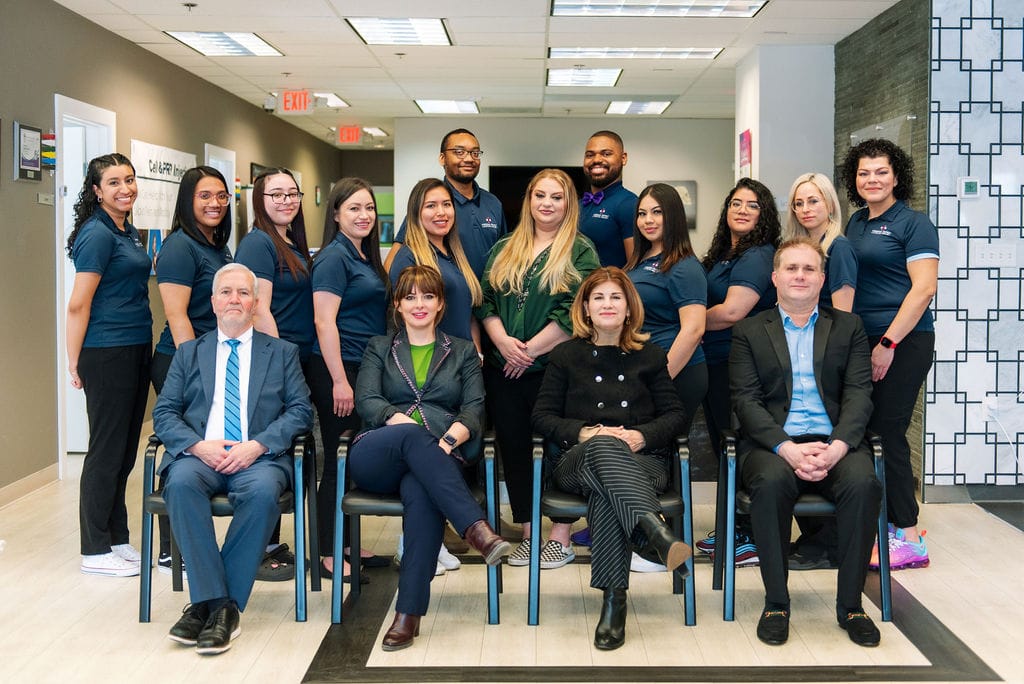
Care located throughout the area
Our offices sit within convenient reach of the communities we serve, so treatment never requires a long drive.
Doctors who understand the region
Our team recognizes the demanding, commuter-heavy pace of daily life here and adjusts each plan to fit it.
A practice the community trusts
Local families have depended on us for consistent, professional spinal care over many years.
Modern decompression technology
Patients receive the same caliber of equipment found at respected spine centers in the greater Washington area.
Chiropractic and Physical Medicine Services in Northern Virginia
Eleven specialized treatment modalities, delivered consistently across all four clinic locations.
Chiropractic Adjustments
Manual therapy and the Chiropractic BioPhysics protocol for herniated discs, scoliosis, postural dysfunction, and vertebral subluxation.
Chiropractic Pain Management
Multi-modal protocols for back, neck, shoulder, hip, knee, headaches, TMJ, and plantar fasciitis - rooted in structural correction, not pharmaceuticals.
Chiropractic Care for Injuries
Auto, workplace, athletic, and personal-injury rehabilitation with the clinical documentation insurance and legal proceedings require.
Chronic Conditions
Long-term management for arthritis, fibromyalgia, and chronic musculoskeletal pain. Sustainable function over short-term symptom suppression.
Laser Therapy
Cold-laser and Class IV therapeutic laser for tendonitis, bursitis, neuropathic conditions, and post-surgical recovery. No medication, no downtime.
MLS Laser Therapy
FDA-cleared dual-wavelength laser that pairs continuous and pulsed emissions to reduce inflammation and accelerate tissue repair.
Neurological Care
The NeuroMed program for diabetic and idiopathic neuropathy, carpal tunnel, drop foot, and postherpetic neuralgia.
Rehabilitation Services
Corrective exercises and functional movement training that retrain the muscular and ligamentous support structures of the spine.
Shockwave Therapy
Extracorporeal acoustic energy for chronic tendinopathies, plantar fasciitis, Achilles tendinopathy, and calcific tendinitis.
Dry Needling
Trigger-point needling for myofascial pain, muscle tension, and restricted range of motion - performed by certified clinicians.
Videofluoroscopy & Digital Motion X-Ray
Real-time fluoroscopic imaging that captures spinal function during movement - revealing instabilities and dynamic nerve compression static imaging cannot detect.
Spinal Decompression at four Northern Virginia locations.
Care is delivered with the same CBP-certified providers, the same diagnostic technology, and the same protocols across every office.
Spinal Decompression in Alexandria
Alexandria, VA 22304
Spinal Decompression in Falls Church
Falls Church, VA 22043
Spinal Decompression in Manassas
Manassas, VA 20110
Spinal Decompression in Woodbridge
Woodbridge, VA 22191
Frequently Asked Questions
Specific to spinal decompression. Call (703) 370-5300 to discuss your case.