

Our Multi-Modal Pain Management Approach
Musculoskeletal pain can have more than one contributing factor. Virginia Family Chiropractic considers your symptoms, health history, and examination when discussing care options. Depending on your needs, a plan may include chiropractic care, soft tissue therapy, rehabilitation, or referral for further medical evaluation.
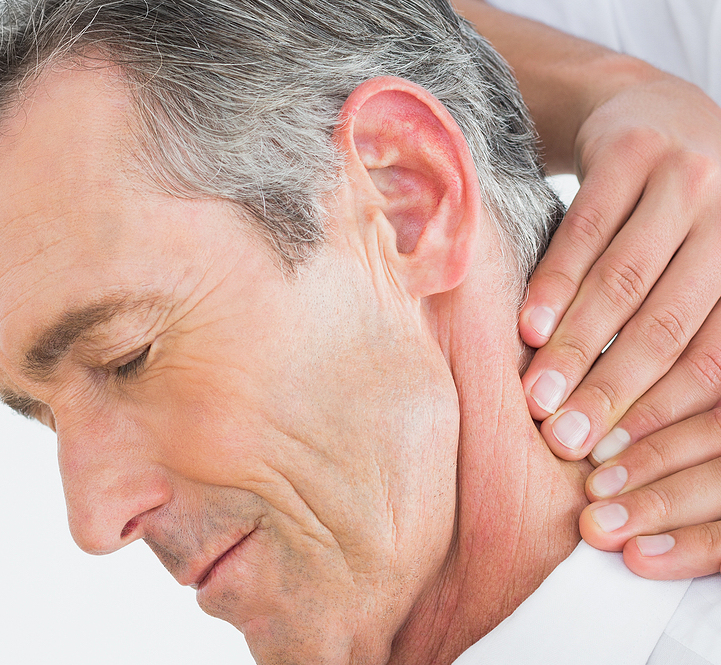
Evidence-Based Treatment
Treatment recommendations depend on your condition, available evidence, and individual assessment. Ask your clinician about the evidence for a proposed treatment, its limitations, potential risks, and alternatives before deciding whether to proceed.
Root Cause Identification
Pain can arise from more than one source, and the location of discomfort does not always explain its cause. A history and examination help guide recommendations. Your clinician can discuss whether further testing, care for a musculoskeletal concern, or medical referral is appropriate.
Drug-Free Pain Relief
Conservative care may be considered as part of a broader pain-management plan. Medication and non-medication options serve different purposes, and their suitability depends on the condition and the patient. Do not stop or change prescribed medication without speaking with the prescribing clinician.
Spine and Back Pain Relief
Spinal discomfort represents the most prevalent reason patients seek chiropractic evaluation, and its causes range from acute disc herniation to chronic postural degeneration and facet joint arthropathy. Virginia Family Chiropractic offers specialized back pain treatment for residents throughout the NoVA region, with protocols tailored to the specific spinal level, tissue type, and chronicity of each patient's complaint.

Lower Back Pain Treatment
The lumbar spine bears the greatest compressive load of any vertebral region and is consequently vulnerable to disc bulging, facet joint irritation, and muscular strain from occupational, recreational, and postural stresses. After an assessment, a clinician may discuss conservative care options for lumbar discomfort, such as exercise, manual care, or changes to daily activities. Recommendations depend on your symptoms, health history, risks, and preferences.
Mid-Back Pain Relief
Thoracic spine pain is frequently overlooked in clinical settings despite its association with prolonged seated postures, costovertebral joint restriction, and intercostal muscular tension. An assessment can help guide whether conservative care for a movement or soft tissue concern is appropriate, or whether further medical evaluation is needed. Ask which options are available at your preferred office and what their benefits, risks, and alternatives are.
Upper Back Pain Treatment
Discomfort between the shoulder blades and across the upper thoracic region commonly results from protracted shoulder posture, cervicothoracic junction dysfunction, and rhomboid or trapezius muscular overload. Treatment involves joint manipulation at the affected spinal levels, myofascial release of hypertonic musculature, and targeted strengthening of the scapular stabilizers to restore balanced upper back mechanics.
Sciatica Management
Sciatic nerve irritation produces radiating pain, numbness, or tingling that extends from the lumbar spine through the gluteal region and into the lower extremity, often severely limiting the patient's mobility and tolerance for seated positions. An evaluation can help consider possible causes and whether conservative care or further medical assessment is appropriate. Any proposed care should reflect the findings, individual risks, and response to treatment rather than assume that a particular technique will relieve nerve compression.
Neck Pain Treatment
Cervical spine disorders affect a substantial proportion of the adult population and can produce symptoms ranging from localized neck stiffness to radiating arm pain, numbness, and grip weakness. Virginia Family Chiropractic provides specialized cervical care for patients across Northern Virginia whose neck complaints arise from degenerative changes, traumatic injury, or sustained postural strain.

Cervical Spine Adjustment
For some neck-related musculoskeletal concerns, a clinician may discuss manipulation, mobilization, or exercise. The choice should follow an assessment of your symptoms, health history, risks, and preferences. Ask about alternatives before agreeing to neck manipulation.
Cervical Radiculopathy Relief
A clinician may consider options such as cervical traction, mobilization, or exercise after evaluating the cause and severity of symptoms. New or worsening weakness, sensory changes, or other concerning symptoms may require further medical assessment. The response to care depends on the underlying condition and individual needs.
Whiplash Recovery
Neck symptoms after a motor vehicle collision need an appropriate assessment. The type and severity of injury vary, so a treatment plan should not be chosen from symptoms alone. Your clinician can discuss whether conservative care, rehabilitation, or further medical evaluation is appropriate.
Deep Tissue and Joint Pain Relief
Soft tissue and joint concerns can occur together. Virginia Family Chiropractic evaluates musculoskeletal symptoms and discusses conservative care options based on individual findings. Ask what a proposed treatment is intended to address and how its response will be reviewed.

Myofascial Pain Treatment
Muscle tenderness and referred pain can accompany musculoskeletal conditions. Our practitioners can assess your symptoms and discuss whether soft tissue care or another approach is appropriate. Ask which services are available at your preferred office and what benefits, risks, and alternatives apply to you.
Joint Manipulation Therapy
Joint stiffness may affect comfortable movement. An assessment can help determine whether mobilization, exercise, or another approach is appropriate. Manipulation is not suitable for everyone and should follow a discussion of the findings, risks, and alternatives.
Chronic Joint Pain Management
Persistent articular pain that has failed to respond to rest, medication, or prior conservative treatment requires a systematic reassessment of diagnostic accuracy and treatment approach. A history and examination can help evaluate possible causes and guide the next step. Further testing, imaging, or referral may be considered when clinically indicated; an assessment does not guarantee that a single cause will be identified.
Headache and Migraine Treatment
Recurring headaches deserve an assessment that considers the type of headache, your health history, and any accompanying neck symptoms. Migraine, tension-type headache, and headache arising from the neck are different conditions. Neck discomfort alone does not show that a headache is caused by a spinal problem.
Virginia Family Chiropractic & Physical Medicine offers evaluations for patients with headache concerns in Northern Virginia. The first step is to discuss your symptoms and whether care for a neck or movement problem is appropriate. New, unusual, or concerning symptoms may require medical evaluation before chiropractic care is considered.
Tension Headache Relief
Tension-type headaches can feel like pressure or a tight band around the head and may occur with neck or shoulder discomfort. An evaluation can help clarify your symptoms and whether muscle tension or movement concerns need attention. Any recommended care should follow an explanation of the findings, options, risks, and alternatives.
Cervicogenic Headache Treatment
A cervicogenic headache originates from a problem in the neck. It is not the same condition as migraine. Your clinician can review your symptom history and examine your neck to help determine whether a neck-related problem may be contributing. Neck soreness by itself is not enough to establish this diagnosis.
Migraine Care and Treatment Limitations
Migraine needs an appropriate medical management plan. The National Center for Complementary and Integrative Health describes the research on spinal manipulation for migraine as preliminary. Chiropractic care is not a migraine cure, and an adjustment should not be presented as a proven way to prevent attacks. Read our guide to chiropractic and migraines for more about the evidence and limits.
If you also have a neck or movement concern, ask whether conservative care could be appropriate alongside your existing medical treatment. Do not stop or change prescribed migraine medication without speaking with the prescribing clinician. Discuss the potential risks and alternatives before agreeing to neck manipulation.
When a headache needs urgent medical care: Call 911 or seek emergency care for a sudden, explosive headache, your worst-ever headache, or a headache with new weakness, slurred speech, confusion, loss of balance, or sudden vision changes. Seek immediate medical help for a headache after a head injury or a headache with fever and a stiff neck. Do not wait for a routine chiropractic appointment.
Request a headache assessment: For recurring headaches without emergency warning signs, request an assessment and tell our team which office you prefer. Bring your medication list and information about any medical care you already receive.
Alexandria: (703) 370-5300 · Falls Church: (703) 538-3830 · Manassas: (703) 367-7878 · Woodbridge: (703) 499-8840
Shoulder Pain Relief
The shoulder complex possesses the greatest range of motion of any joint in the body, and this mobility is achieved at the expense of inherent structural stability, rendering it susceptible to a broad spectrum of painful conditions. Virginia Family Chiropractic treats shoulder disorders originating from rotator cuff pathology, capsular restriction, and impingement syndromes for patients throughout the region.
Rotator Cuff Syndrome Treatment
Following an assessment, a clinician may discuss shoulder mobility work or rehabilitation exercises. Recommendations depend on the suspected condition, your symptoms, and any previous care. Ask whether further medical or orthopedic evaluation is needed.
Frozen Shoulder Therapy
Frozen shoulder can cause pain and a gradual loss of shoulder movement. Recovery varies, and an assessment can help distinguish it from other causes of shoulder symptoms. A clinician may discuss movement exercises, joint mobilization, or medical referral based on your needs.
Shoulder Impingement Relief
Subacromial impingement occurs when the rotator cuff tendons and subacromial bursa are compressed between the humeral head and the coracoacromial arch during overhead movement. Treatment addresses both the local inflammation and the contributing factors of scapular dyskinesis, thoracic hyperkyphosis, and rotator cuff weakness that predispose the patient to repetitive impingement.
Hip Pain Relief
Hip joint pathology and periarticular soft tissue dysfunction produce pain that may be perceived in the groin, lateral thigh, buttock, or referred distally into the knee, complicating accurate localization without systematic examination. Virginia Family Chiropractic evaluates and treats hip complaints originating from articular, muscular, and sacroiliac sources for patients across the greater Northern Virginia communities.
Hip Joint Dysfunction Treatment
Hip discomfort may have joint, soft tissue, or other contributing factors. An examination can help guide whether conservative musculoskeletal care or further medical evaluation is appropriate. Any proposed movement or rehabilitation plan should be tailored to your needs.
Piriformis Syndrome Relief
The piriformis muscle lies in close anatomical proximity to the sciatic nerve, and spasm or hypertrophy of this muscle can produce buttock pain with sciatic-type radiation that mimics lumbar disc herniation. Because similar symptoms can have different causes, a history and examination help guide evaluation of possible contributors. Further testing, imaging, or medical referral may be considered when clinically indicated rather than assumed to confirm a single source of pain.
SI Joint Adjustment
Pain around the lower back, buttock, or hip does not by itself establish a sacroiliac joint diagnosis. An assessment can help consider possible causes and appropriate care options. Ask about the goals, limitations, and alternatives for any proposed manual treatment.
Non-Surgical Knee Pain Treatment
Knee complaints rank among the most common musculoskeletal presentations in clinical practice and affect patients of all ages, from adolescent athletes to older adults with degenerative changes. Virginia Family Chiropractic offers conservative knee pain management that addresses articular, meniscal, and patellar dysfunction without surgical intervention for patients throughout the area.
Knee Joint Adjustment
Knee stiffness or discomfort warrants an assessment of symptoms, movement, and relevant health history. A clinician can discuss whether mobilization, exercise, or another option is appropriate. Treatment recommendations should not assume that adjustment is suitable for every knee complaint.
Meniscus Issue Management
Catching, locking, or joint-line discomfort can occur with a meniscus problem, but symptoms alone cannot confirm the cause. An assessment can help determine whether conservative management or further medical evaluation is appropriate. Discuss activity changes and rehabilitation with the clinician overseeing your care.
Knee on Trac Decompression Method
Knee on Trac is a mechanical knee-distraction option that may be discussed for selected patients following an evaluation. Ask about the evidence for your condition, potential risks, alternatives, and whether the service is available at your preferred office. Do not assume it will prevent or replace a recommended surgical consultation.
Patellar Tracking Correction
Abnormal patellar tracking produces anterior knee pain that worsens with stair climbing, prolonged sitting, and squatting activities due to increased contact pressure between the patella and the femoral trochlear groove. Treatment addresses the muscular imbalances, including vastus medialis oblique weakness and iliotibial band tightness, that permit lateral patellar deviation during knee flexion and extension.
TMJ Dysfunction Relief
Temporomandibular joint disorders produce jaw pain, clicking, locking, and limitations in mouth opening that affect eating, speaking, and overall comfort. Virginia Family Chiropractic provides conservative TMJ management for patients across Northern Virginia whose symptoms arise from articular dysfunction, muscular hypertonicity, or occlusal imbalance.
Temporomandibular Joint Treatment
Jaw pain and restricted opening can have several causes. A clinician can assess relevant musculoskeletal concerns and discuss whether conservative care or dental or medical evaluation is appropriate. Ask about the purpose, risks, and alternatives of any proposed manual treatment.
Jaw Pain Relief
Jaw discomfort frequently coexists with cervical spine dysfunction, forward head posture, and parafunctional habits such as clenching and bruxism that increase compressive loading on the temporomandibular structures. Our practitioners evaluate the relationship between cervical mechanics and mandibular function to develop a coordinated treatment plan that addresses both contributing regions.
TMJ Exercises and Self-Care
For some jaw-related conditions, a clinician may discuss gentle movement exercises or other self-care as part of an individual plan. Ask which activities are appropriate for your symptoms and when to stop or seek further advice. Do not assume that the same exercises are suitable for every cause of jaw pain.
Plantar Fasciitis Care
Plantar heel pain can cause discomfort with standing or walking, including with the first steps after rest. Virginia Family Chiropractic evaluates foot and ankle complaints to discuss whether conservative musculoskeletal care or another evaluation is appropriate.
Heel Pain Treatment
The plantar fascia functions as a tension band that supports the medial longitudinal arch during the stance phase of gait, and repetitive overloading produces degenerative changes at its calcaneal insertion. Treatment includes soft tissue mobilization of the plantar fascia and intrinsic foot musculature, therapeutic taping, and graduated calf stretching protocols that reduce tensile strain on the affected tissue.
Foot and Ankle Adjustment
Foot and ankle discomfort can involve joints, soft tissues, footwear, or other factors. An examination helps guide whether mobilization, exercise, or further evaluation is appropriate. The plan should reflect the individual complaint rather than assume adjustment will resolve it.
Biomechanical Correction
An assessment may consider walking patterns, lower-limb movement, activity demands, and footwear when evaluating plantar heel symptoms. These observations do not establish a single cause on their own. Your clinician can discuss which findings are relevant and what care options are appropriate.
Facial Pain Treatment
Facial pain presents a complex diagnostic challenge because the sensory innervation of the face involves the trigeminal nerve and its branches, which can be affected by intracranial, cervical, or peripheral pathology. Virginia Family Chiropractic evaluates facial pain complaints for cervicogenic and musculoskeletal contributing factors that may respond to conservative chiropractic intervention in the surrounding Northern Virginia communities.
Trigeminal Neuralgia Management
Trigeminal neuralgia can cause severe episodes of facial pain and needs appropriate medical assessment and management. Chiropractic evaluation should not replace neurological care. If you also have a neck or jaw complaint, ask whether a separate musculoskeletal assessment is appropriate.
Atypical Facial Pain Relief
Persistent or unexplained facial pain needs appropriate medical or dental assessment to consider possible causes and guide care. Neck or jaw symptoms may occur alongside facial pain, but they can be separate concerns and do not establish its cause. If a separate musculoskeletal assessment is appropriate, it should complement rather than replace medical or dental care.
Upper Cervical Connection
Neck and facial symptoms can occur together, but that does not establish that a neck problem is causing facial pain. A clinical assessment is needed to consider possible causes and whether referral is appropriate. Neck adjustment should not be presented as a proven treatment for trigeminal neuralgia.
Benefits of Natural Pain Relief
Non-medication options may form part of a musculoskeletal pain-management plan. Their suitability depends on your diagnosis, health history, preferences, and available evidence. Conservative care is not a substitute for necessary medical treatment.
Opioid-Free Pain Management
For some musculoskeletal conditions, clinicians may discuss non-medication options alongside other treatments. These options also have limitations and risks. If you take an opioid or another prescribed medicine, discuss any changes with the prescribing clinician rather than stopping it on your own.
Long-Term Health Outcomes
Long-term outcomes vary with the condition, overall health, and response to care. Discuss realistic goals with your clinician and agree on how progress will be measured. If symptoms persist or worsen, the plan may need to change or include further medical evaluation.
Sustainable Pain Solutions
Pain can have several contributing factors, and improvement is not guaranteed by correcting a single movement or posture finding. A care plan should address your individual needs, support appropriate activity, and be reassessed rather than continued indefinitely without review.
Why Choose Virginia Family Chiropractic?
Virginia Family Chiropractic offers evaluations and conservative care for musculoskeletal concerns. Ask your preferred office about clinician experience, available services, and whether further testing or referral may be appropriate. Recommendations should reflect your symptoms, health history, and goals.
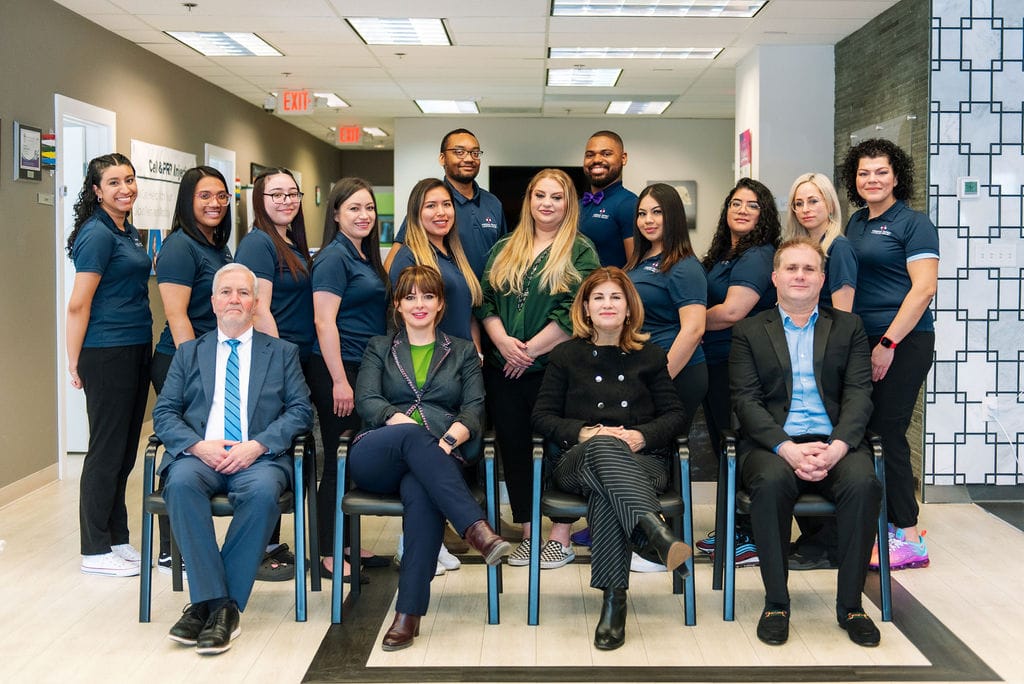
Multiple Convenient Clinic Locations Throughout Northern Virginia
Offices in Alexandria, Falls Church, Manassas, and Woodbridge provide accessible care for patients regardless of their residential or occupational location within the region.
Individualized Conservative Care Options
Discuss non-medication approaches, their evidence and limitations, and how they may fit alongside existing medical treatment.
Assessment of Potential Contributing Factors
A history and examination help guide recommendations without assuming that every symptom has a single mechanical cause.
Coordinated Care for Complex Multi-Site Pain Presentations
Patients with concurrent complaints in multiple anatomical regions receive an integrated treatment plan that addresses all affected structures within a cohesive clinical framework.
Chiropractic and Physical Medicine Services in Northern Virginia
Eleven specialized treatment modalities, delivered consistently across all four clinic locations.
Chiropractic Adjustments
Manual therapy and the Chiropractic BioPhysics protocol for herniated discs, scoliosis, postural dysfunction, and vertebral subluxation.
Chiropractic Care for Injuries
Auto, workplace, athletic, and personal-injury rehabilitation with the clinical documentation insurance and legal proceedings require.
Chronic Conditions
Long-term management for arthritis, fibromyalgia, and chronic musculoskeletal pain. Sustainable function over short-term symptom suppression.
Laser Therapy
Cold-laser and Class IV therapeutic laser for tendonitis, bursitis, neuropathic conditions, and post-surgical recovery. No medication, no downtime.
MLS Laser Therapy
FDA-cleared dual-wavelength laser that pairs continuous and pulsed emissions to reduce inflammation and accelerate tissue repair.
Neurological Care
The NeuroMed program for diabetic and idiopathic neuropathy, carpal tunnel, drop foot, and postherpetic neuralgia.
Rehabilitation Services
Corrective exercises and functional movement training that retrain the muscular and ligamentous support structures of the spine.
Shockwave Therapy
Extracorporeal acoustic energy for chronic tendinopathies, plantar fasciitis, Achilles tendinopathy, and calcific tendinitis.
Dry Needling
Trigger-point needling for myofascial pain, muscle tension, and restricted range of motion - performed by certified clinicians.
Videofluoroscopy & Digital Motion X-Ray
Real-time fluoroscopic imaging that captures spinal function during movement - revealing instabilities and dynamic nerve compression static imaging cannot detect.
Spinal Decompression
Computer-guided, non-surgical traction for herniated and bulging discs, sciatica, and pinched nerves - relieving pressure without injections or surgery.
Chiropractic Pain Management at four Northern Virginia locations.
Care is delivered with the same CBP-certified providers, the same diagnostic technology, and the same protocols across every office.

Chiropractic Pain Management in Alexandria
Alexandria, VA 22304
Chiropractic Pain Management in Falls Church
Falls Church, VA 22043
Chiropractic Pain Management in Manassas
Manassas, VA 20110
Chiropractic Pain Management in Woodbridge
Woodbridge, VA 22191
Frequently Asked Questions
Specific to chiropractic pain management. Call (703) 370-5300 to discuss your case.